This past summer, with support from the CAE Travel Grant, I conducted a mixed-methods study in Rwanda of orphaned and vulnerable children's (OVC’s) self-reported feelings of belonging. Central to my research was better understanding the relationship between OVC feelings of belonging and peace-building in the post-conflict context. Rwandans who supported the research shared with me that in Kinyarwanda, the mother tongue of Rwanda, there are words in English that require many words in Kinyarwanda to describe. For example, belonging was best translated as kubana n'bandi which translates to “living together.” Constantly requiring an explanation of belonging only deepened my own understanding of what belonging means for Rwandan OVCs. For others who are interested in conducting research in the African context, I would suggest engaging with as many local partners as possible in the research process, even if it is simply having a short conversation about one of the ideas or terms you seek to investigate. When I shared with Rwandans why I had come and why their stories were important to me, it deepened my own personal definition of belonging and what belonging means when one accepts the responsibility to carry someone else's personal story and ideas.
Kubana N’bandi (To live together): A Mixed Methods Study of Self-Reported Feelings of Belonging in Rwandan Orphaned and Vulnerable Children and their Perception
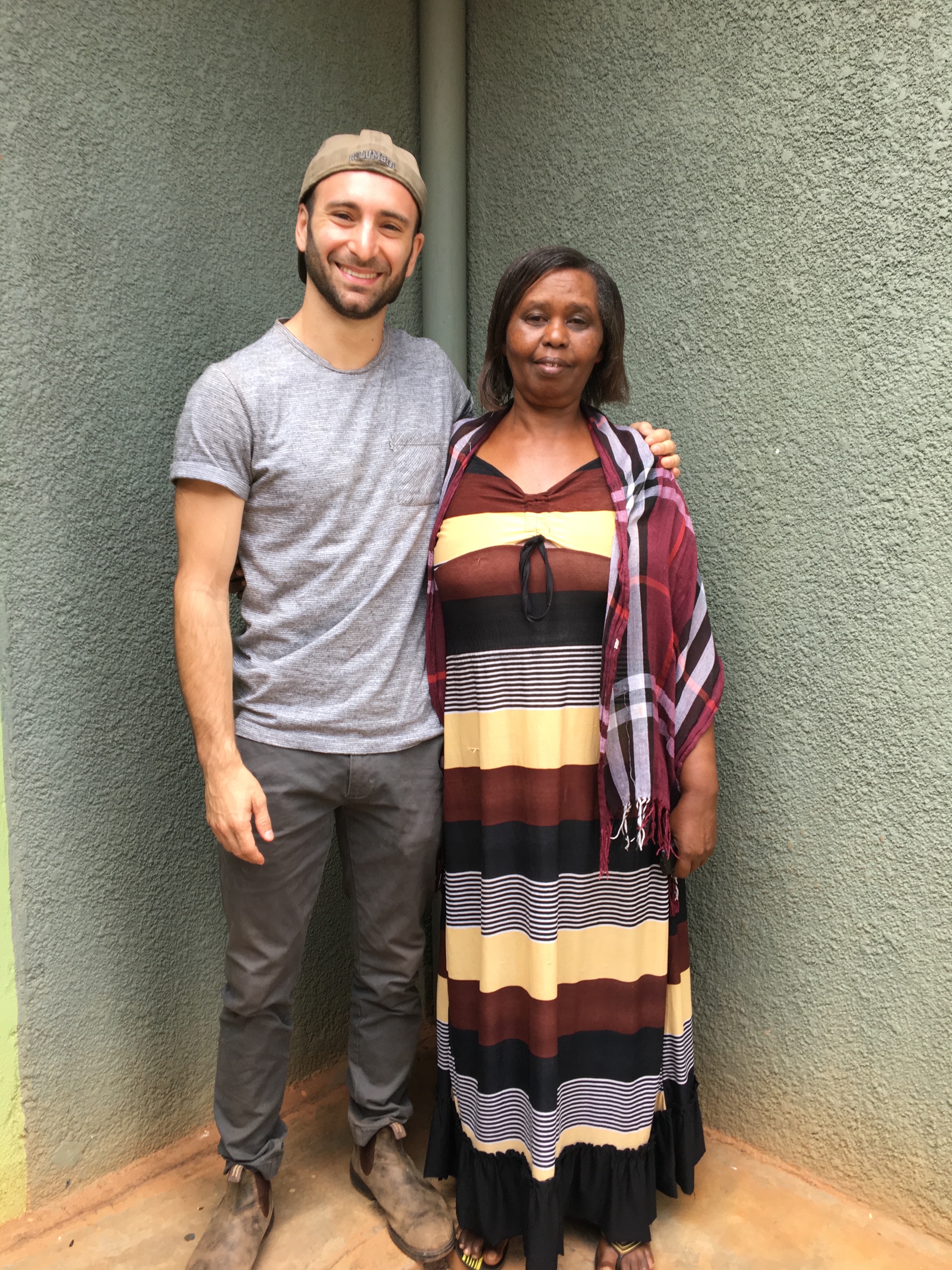
Darren is an M.A. student studying International Educational Development at Teachers College, Columbia University.