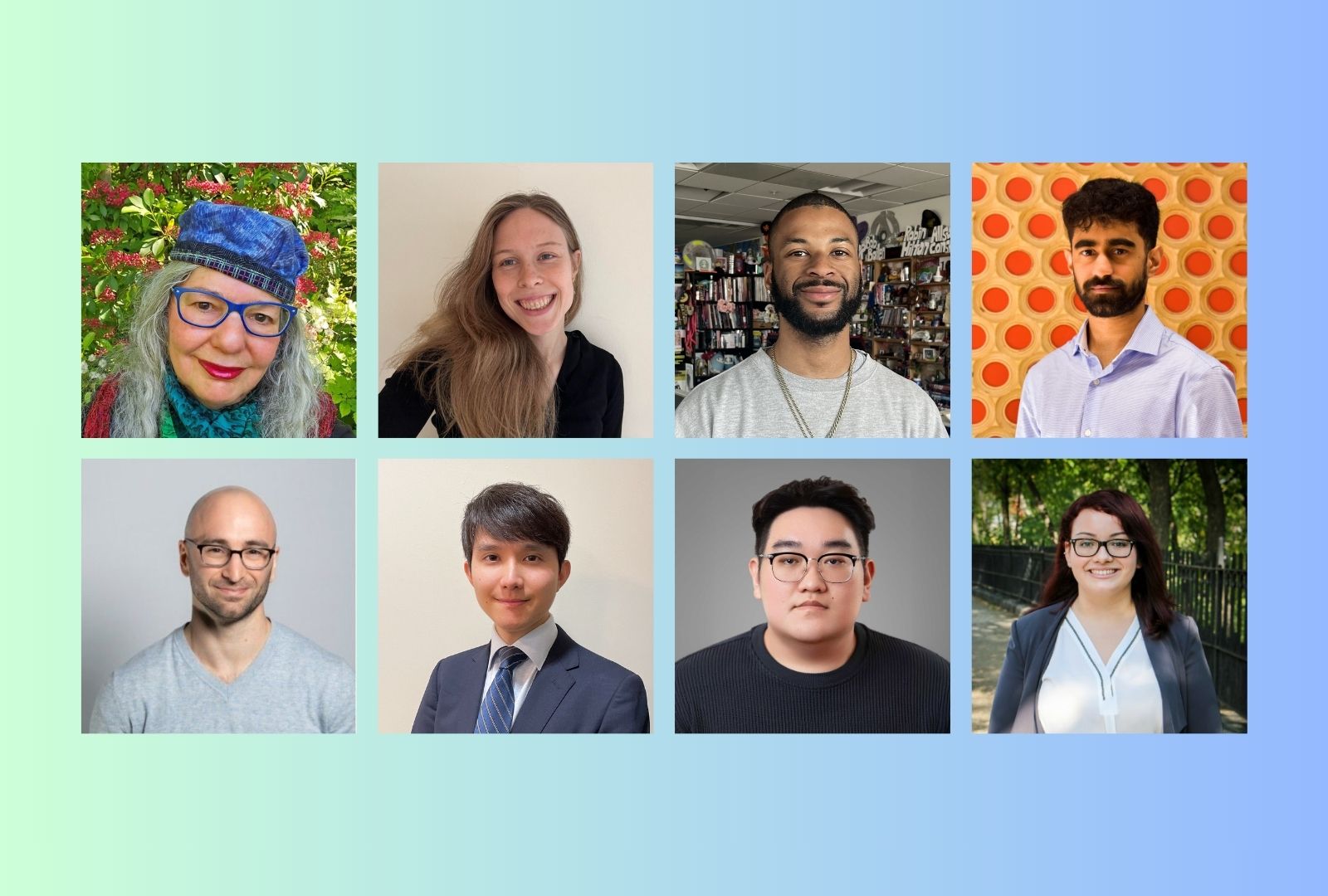
This summer, members of our CSF community engaged in a wide range of projects that connected climate action, education, and creativity across local, national, and international contexts. From hands-on community work to global policy engagement, these experiences highlight the diverse ways our members are shaping the field of climate change education and sustainability.
Carousel
BrightFlame
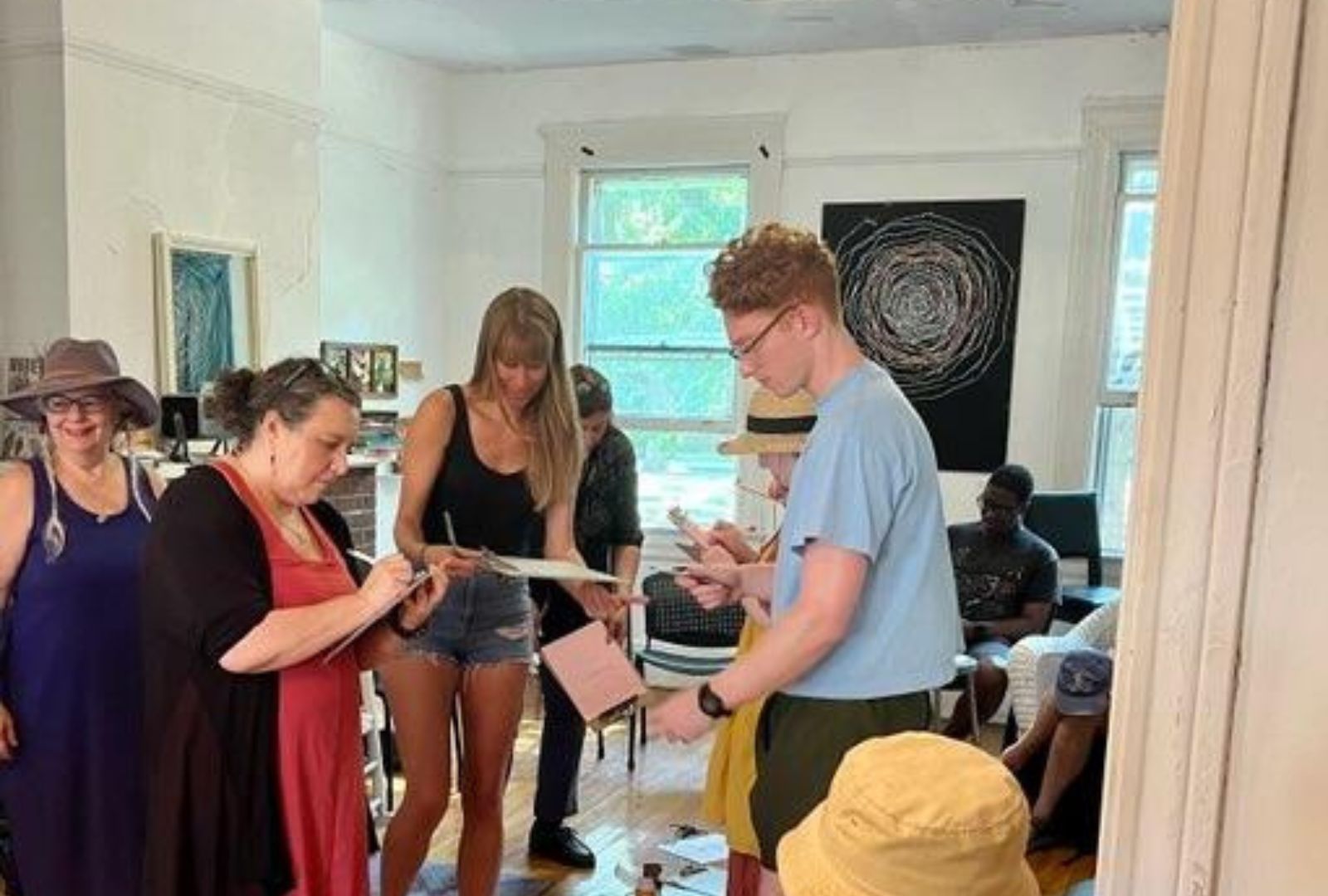
BrightFlame led the workshop “How to Solarpunk for Hope & Resilience” at the Climate Imaginarium on Governors Island, in collaboration with the NYC Climate Writers Collective and Climate Cafe NYC. The session introduced participants to a five-point solarpunk arc, guiding them to create stories and actions aligned with the Earth. Many participants, who identified as both writers and activists, found the spiraling form useful for shaping both their narratives and their lives.
Reflecting on the experience, BrightFlame shared:
“I enjoyed meeting this group and introducing solarpunk. I walked away with some new insights on the narrative form I developed. Particularly, that it helps us not get stuck since we can view the continuing spiral and find our way forward.”
Maja Dahms

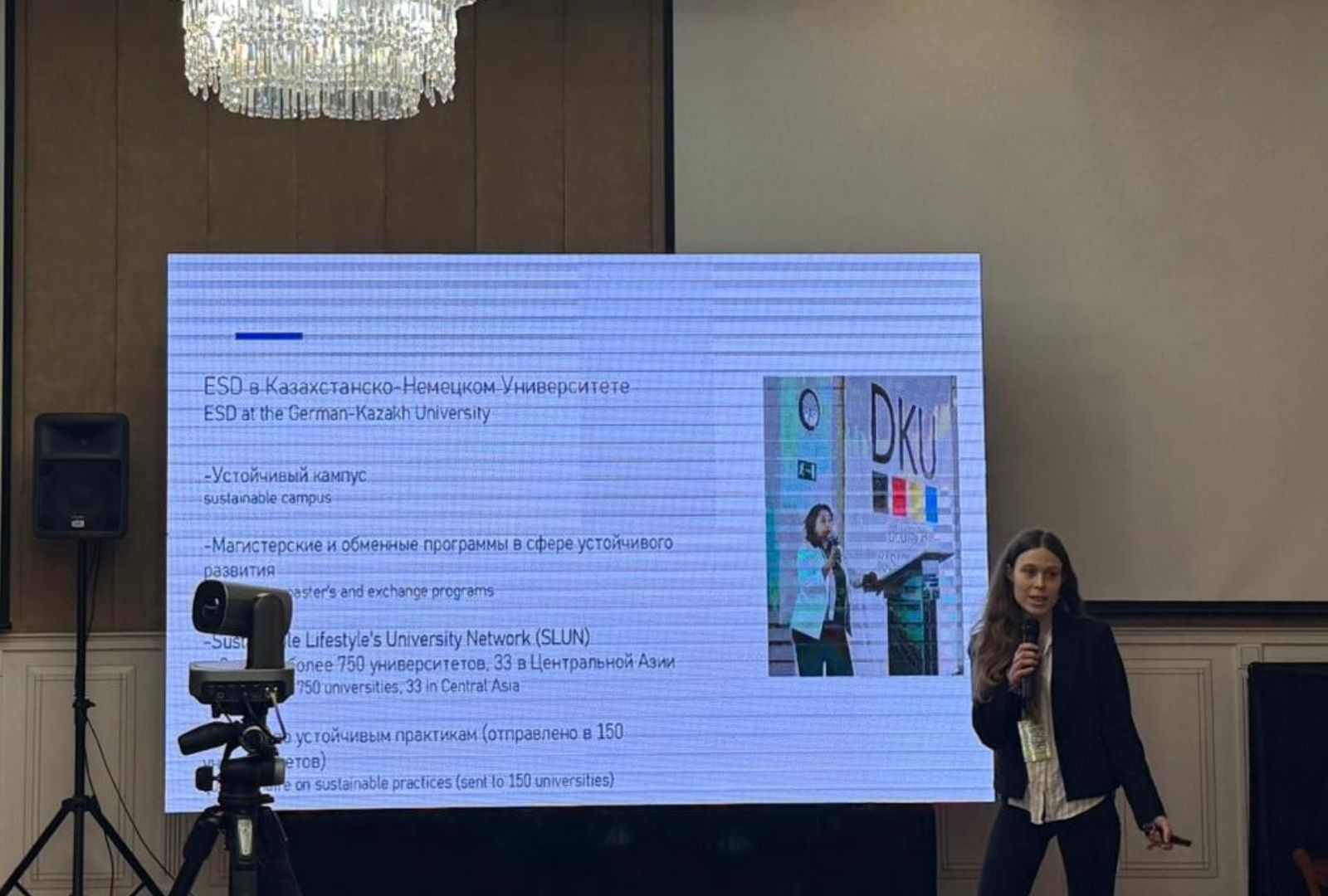
Maja Dahms worked as an Education Program Volunteer at the UNESCO Regional Office in Almaty, Kazakhstan, supported by the German Academic Exchange Service (DAAD). Her primary role was contributing to a research project assessing the impact of climate change on women and girls in Central Asia. Alongside her team, she conducted interviews with Kazakh youth, education experts, and policymakers across Kazakhstan, Kyrgyzstan, Tajikistan, and Uzbekistan.
The work also involved analyzing teaching materials, designing a teacher discussion guide, and planning an exhibition showcasing young artists’ contributions. One highlight was hearing Kazakh youth articulate how they want to learn about and respond to climate change.
This experience deepened Maja’s understanding of UNESCO’s initiatives at the intersection of education and climate change, while exposing challenges in integrating gender-transformative perspectives into educational materials. She also drew connections between UNESCO’s global policy campaigns, such as the Greening Education initiative, and the locally grounded work of the Center. Looking ahead, she plans to explore how bottom-up pressures influence international organizations, using Social Network Analysis to examine collaboration between NGOs and global institutions.
Rashawn Khamari Merchant

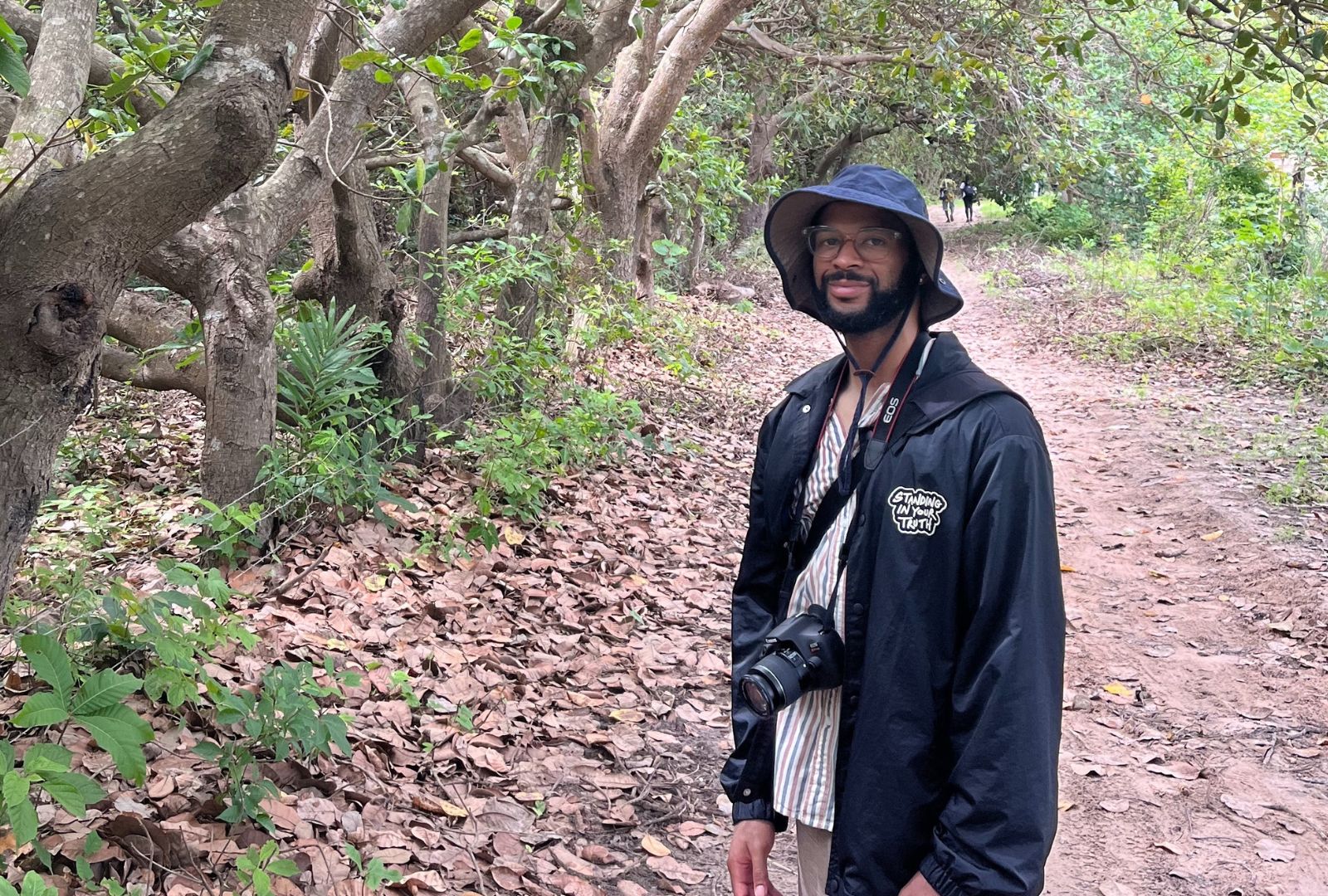
Rashawn Merchant joined a study abroad program through the Global Columbia Collaboratory in The Gambia. This immersive initiative connected students and faculty with local groups to support ecotourism and advance the United Nations’ Sustainable Development Goals.
Rashawn’s work centered on climate resilience projects along The Gambia’s coastline. He assisted the Gunjur Conservationists & Ecotourism Association (CETAG) with tree planting, sea turtle scouting, and engaging community leaders to develop climate adaptation and mitigation plans.
The experience underscored for Rashawn the importance of community-based practices in driving progress. He observed how collective action accelerates change by drawing on diverse individual strengths. For his work at the Center, this lesson translates into a deeper commitment to collaboration.
Professionally, he intends to apply these lessons by refusing to see resource limitations as insurmountable. With a renewed belief in teamwork—“teamwork makes the dream work”—he feels prepared to contribute to the collective fight against climate change.
Neil Potnis
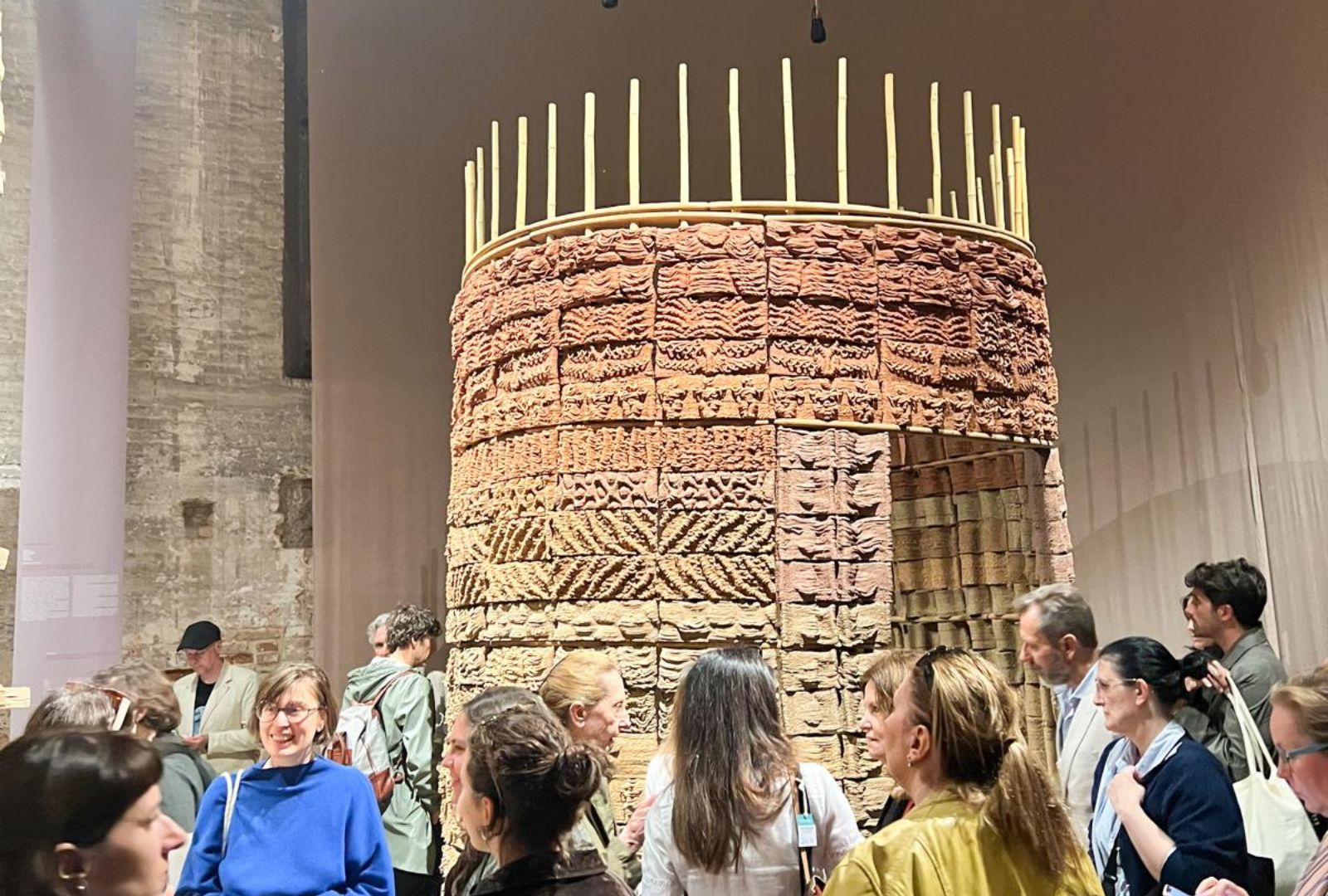
Neil Potnis presented his work as part of a group exhibition at the 2025 Venice Biennale Architettura. His role centered on developing the AI-generated imagery that informed the surface textures of 3D-printed earthen bricks showcased in the installation.
Neil’s process unfolded through a four-stage visual–material pipeline. He began by generating a large dataset of composite images using MidJourney, combining reference photographs from vernacular earthen construction practices such as cob, rammed earth, and wattle-and-daub. From there, he conducted a design variance assessment to identify which images could translate into clean, printable textures. Selected renders were post-processed through editing and inversion to clarify patterning, before being handed off to the fabrication team for iterative refinement and testing.
At every step, Neil’s contribution emphasized grounding AI outputs in the material logic of earthen building traditions rather than letting them drift into purely speculative design. By curating textures that were consistent, geometrically legible, and culturally resonant, his work made it possible to transform two-dimensional AI renderings into three-dimensional toolpaths for printing. Ultimately, the AI-co-generated textures enhanced the pavilion’s surfaces with looping, undulating patterns that blended ancient motifs with contemporary fabrication techniques.
The impact of this contribution was twofold. First, it demonstrated how AI imagery can serve as a bridge between traditional craft knowledge and experimental fabrication, opening new design possibilities while respecting vernacular practices. Second, it provided a scalable workflow that fabrication teams can adapt in future projects to embed cultural and ecological narratives into the very surfaces of architectural elements. Through this work, Neil underscored how digital media can extend, rather than replace, human knowledge systems in climate-conscious architecture.
Darren Rabinowitz

Darren Rabinowitz co-authored an article titled “Cross-disciplinary Perspectives on Developing Global Datasets and Indicators for Monitoring Climate Change Education and Communication,” recently published in Discover Sustainability. The paper, written with MECCE Project colleagues Antje Brock and Eva-Maria Waltner, built on desk review research Darren had conducted nearly five years earlier.
For Darren, the publication highlighted how long-term research efforts can evolve into scholarly outputs with practical relevance. Collaborating across international teams offered new perspectives on academic writing and enriched the research process.
He believes the thematic framework developed for Climate Change Education and Communication (CCEC) indicators has broad applications, from global to municipal levels, and can help policymakers and practitioners better measure and implement climate change education efforts.
Kentaro Shintaku
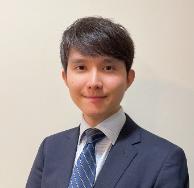
Kentaro Shintaku explored the overlooked connections between sustainability education and nuclear disarmament. As a consultant with the Sant’Egidio Foundation for Peace and Dialogue (SFPD), he also contributed to Columbia Climate School’s Cooperative Nuclear Disarmament and Sustainability Initiative (CNDSI), a collaboration with Columbia’s AC4.
His work highlighted examples such as the Megatons to Megawatts program (1993–2013), which transformed uranium from dismantled nuclear warheads into fuel that powered about 10% of U.S. electricity for two decades. This initiative not only advanced disarmament but also provided substantial carbon-free energy—demonstrating how peace and sustainability goals can converge.
In June 2025, Kentaro took part in the first CNDSI Working Seminar at Columbia, where experts analyzed the factors that made such programs successful, including scientific collaboration, policy motivation, and technical innovation. Through his work, he continues to stress the importance of integrating environmental, political, and social dimensions in sustainability education.
Kentaro also completed his tenure as Fellow & Sustainability Coordinator at the Soka Institute for Global Solutions (SIGS). He brings with him academic credentials from Soka University of America (B.A.), Harvard Graduate School of Education (M.A.), and is pursuing his Ph.D. at Teachers College.
Renda Sun

Renda Sun is currently serving as a fellow at the International Centre for UNESCO ASPnet (ICUA), a Category 2 educational center supported by UNESCO and established in 2019 in Sanya, Hainan Province, China.
Over the summer, Renda conducted qualitative research and contributed to a landmark ICUA report, Regional Highlights: Trends, Good Practices and Challenges from the Arab States ASPnet. The report provides critical evidence to guide regional education policies and was presented as a core document at the Arab States ASPnet Regional Meeting, themed “Strengthening the UNESCO Associated Schools Network for a Peaceful and Sustainable Future.” The meeting convened National Coordinators from 17 countries—including Saudi Arabia, Oman, Bahrain, Palestine, Qatar, Lebanon, Libya, Jordan, and Iraq—alongside representatives from ICUA, UNESCO Headquarters, and UNESCO Regional Offices in Doha, Beirut, and Rabat. This semester, Renda will continue this research, with findings expected to inform the ASPnet Global Annual Meeting in December 2025, further advancing the global implementation of Education for Sustainable Development (ESD).
In addition to research, Renda has been supporting ICUA’s global youth initiative, the 2025 Youth Innovation: Collaborating to Improve and Protect our Planet (CIPP) Campaign. Launched in 2024, the inaugural campaign received over 30,000 creative submissions from students across 12 countries. Building on that success, the 2025 campaign has expanded to include themes of environmental and cultural sustainability, with an emphasis on inclusiveness and diversity of participation. Renda has played a key role in coordinating communications with ASPnet National Coordinators worldwide and contributing to evaluation efforts that will shape the campaign’s reach and impact.
Christina Torres

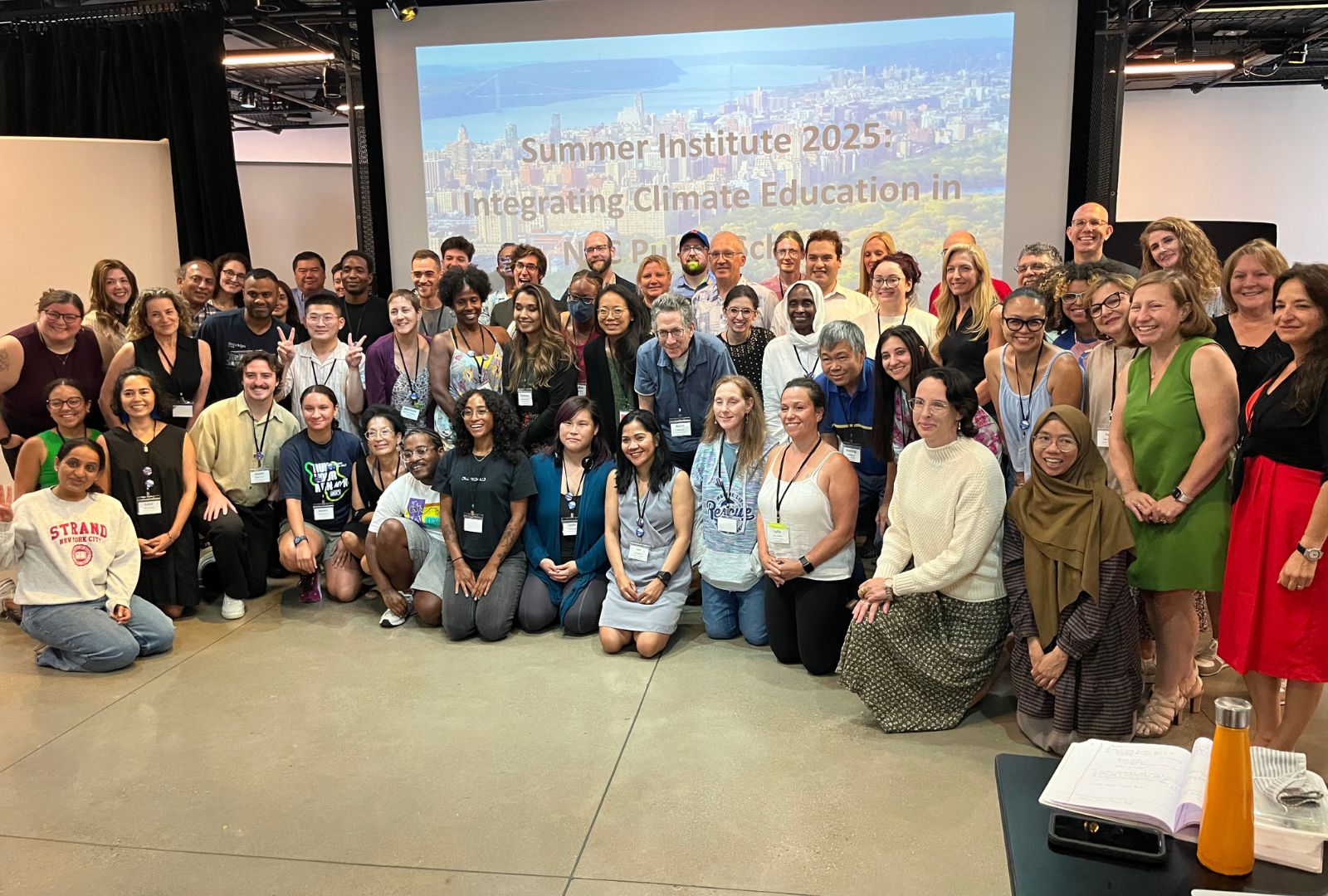
Christina Torres spent the summer leading the third Summer Institute run jointly by LEAP and the NYCPS Office of Energy and Sustainability. The program has evolved significantly since its first cohort of elementary teachers in 2023, growing to include high school teachers in 2025.
She particularly valued how teacher-centered the institute has become, emphasizing reflection, collaboration, and networking. A highlight was watching teachers make connections between climate science sessions and those focused on social science and student activism. Christina emphasized that the exchange is mutual: the team learns as much from teachers as the teachers do from them.
Looking forward, she is excited to see the lessons teachers create and bring back to their students in the coming school year.
Our Community
Together, these summer experiences illustrate the many ways our members are linking education, community, and climate action. Whether through grassroots engagement, cross-border policy work, or creative educational practices, each contribution adds to a larger collective effort toward sustainability. As a community, we continue to learn from one another’s diverse approaches and carry those insights into the work ahead.