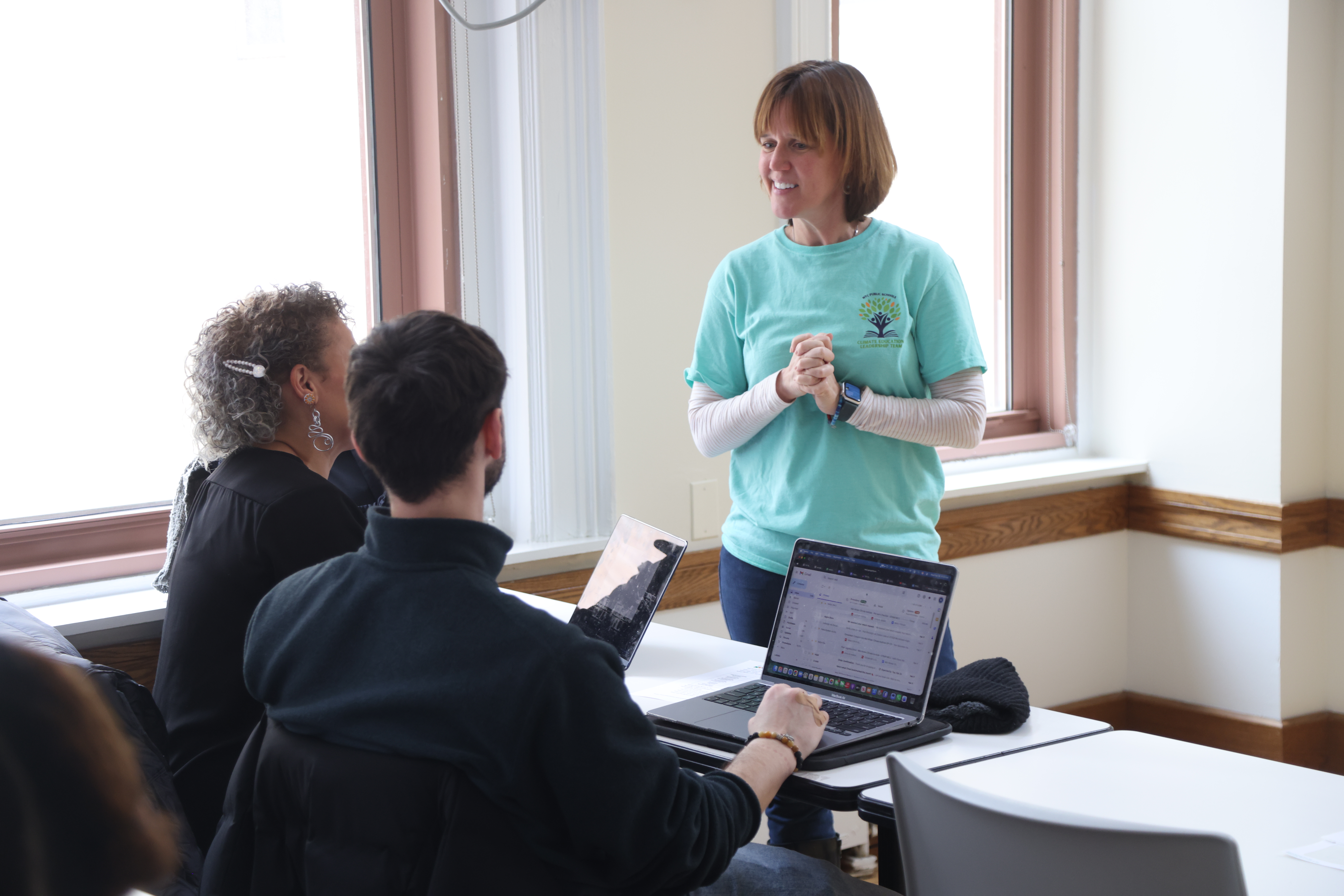
For the past three years, Teachers College has co-hosted the Midwinter Climate Institute with the New York City Public Schools' Office of Energy and Sustainability, a professional development experience that has grown into one of New York City's most significant gatherings for climate change education. Bringing together 500 K–12 educators from across the city's public school system, the Institute reflects Teachers College's deep commitment to equipping teachers from multiple disciplines with the knowledge, tools, and confidence to bring climate change into their classrooms. At its core, the Midwinter Institute is built on a simple but urgent conviction: that educators are among the most powerful levers for building a generation of climate-literate, climate-ready students.
"Our third annual Midwinter Climate Institute reflects our commitment and critical investment in educators at a pivotal time of preparation in advance of the recent New York State climate education requirement. This event, unifying over 500 teachers across subjects and grade levels, is among the tools necessary to support interdisciplinary and widespread integration of climate topics into classrooms across the city and state. We believe climate and sustainability offer a unique and enriching lens for teaching and learning, and that all climate solutions start with schools. We thank Teachers College for their long-standing partnership as we strive to build a solid foundation for student learning alongside the very teachers who will lead this important effort." - Meredith McDermott, Chief Sustainability & Decarbonization Officer, Office of Energy & Sustainability at NYC Public Schools
CSF’s Research Partnership
For years, The Center for Sustainable Futures’ research partnership with the NYC Public Schools has shed light on why climate change remains so difficult to teach. Four persistent barriers have emerged from this work: a widespread misperception that climate is purely a science topic, gaps in teacher knowledge, a shortage of classroom resources, and a lack of preparedness. These findings didn't just inform research but also became the foundation for action, inspiring the creation of both the Summer Institute and the Midwinter Institute as spaces where educators could confront these challenges head-on. Last year's Midwinter Institute offered a particularly revealing look inside the professional development experience. A team of 15 researchers conducted 39 structured observations and 40 semi-structured interviews with participants from a cohort of 500 K–12 teachers, deliberately moving beyond measuring knowledge gains to examine something harder to quantify: how educators emotionally and intellectually navigate the complexities of climate change education.
What they found was striking. Climate change, it turns out, is not a neutral subject. It carries an emotional weight, anxiety, fear, and a sense of powerlessness, felt by teachers and students alike. Educators worried about “climate paralysis,” the risk that the sheer scale of the crisis could overwhelm students before they had the tools to respond. The research drew a clear line to Social-Emotional Learning principles: a teacher's ability to engage with challenging new material often depends first on addressing the emotional burden that material carries. That insight became the cornerstone of the 2026 Midwinter Institute's design. On the first day, the Climate Mental Health Network introduced participants to the “climate emotion wheel,” a visual tool designed to help educators map and name the complex feelings that climate change stirs up. The logic was straightforward: when teachers can name what they're feeling, tracing a path, for instance, from being overwhelmed to experiencing fear, and then channeling that fear into determined action, they become better equipped to guide their students through the same terrain.
Flipped Classroom Approach
Carousel
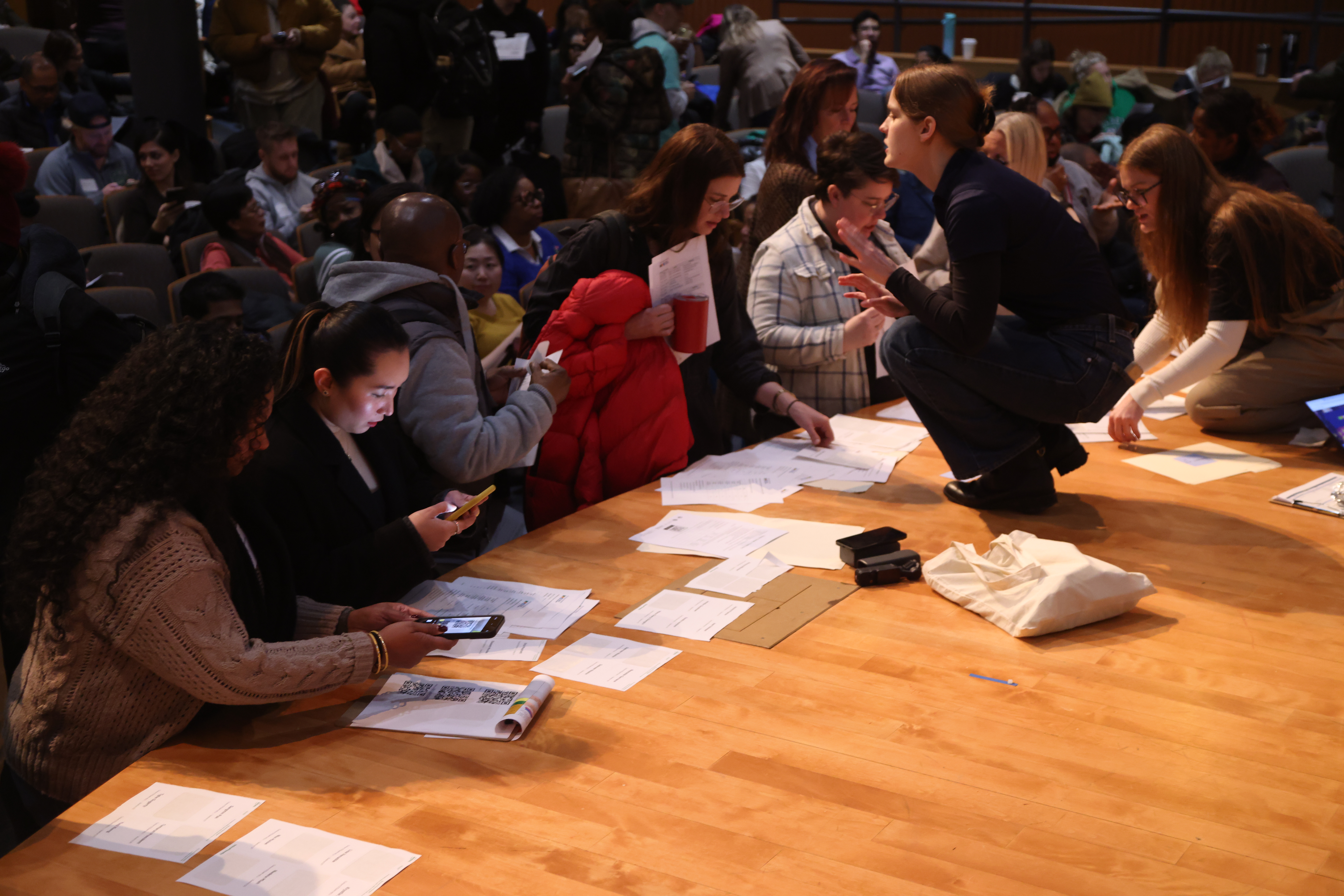
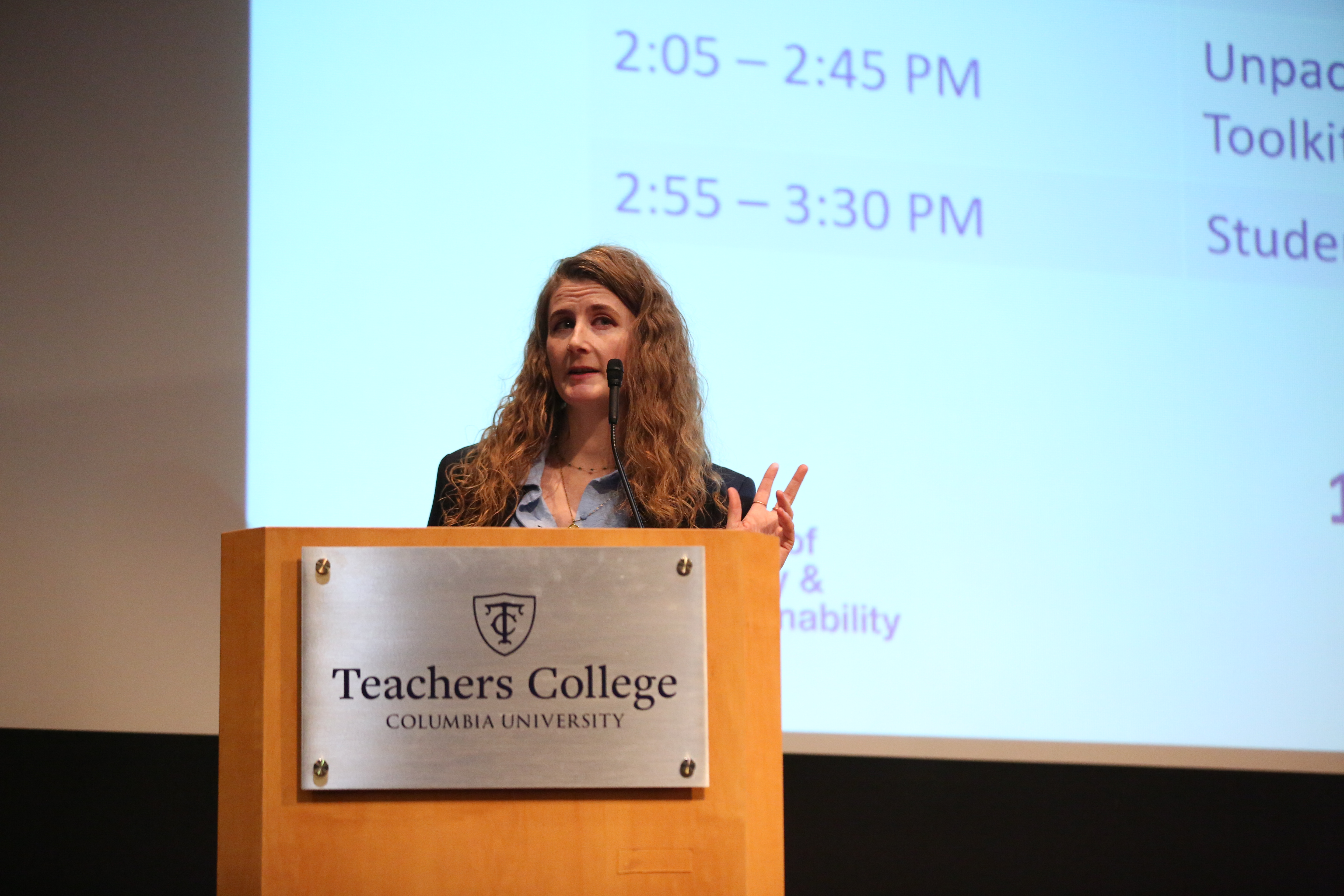
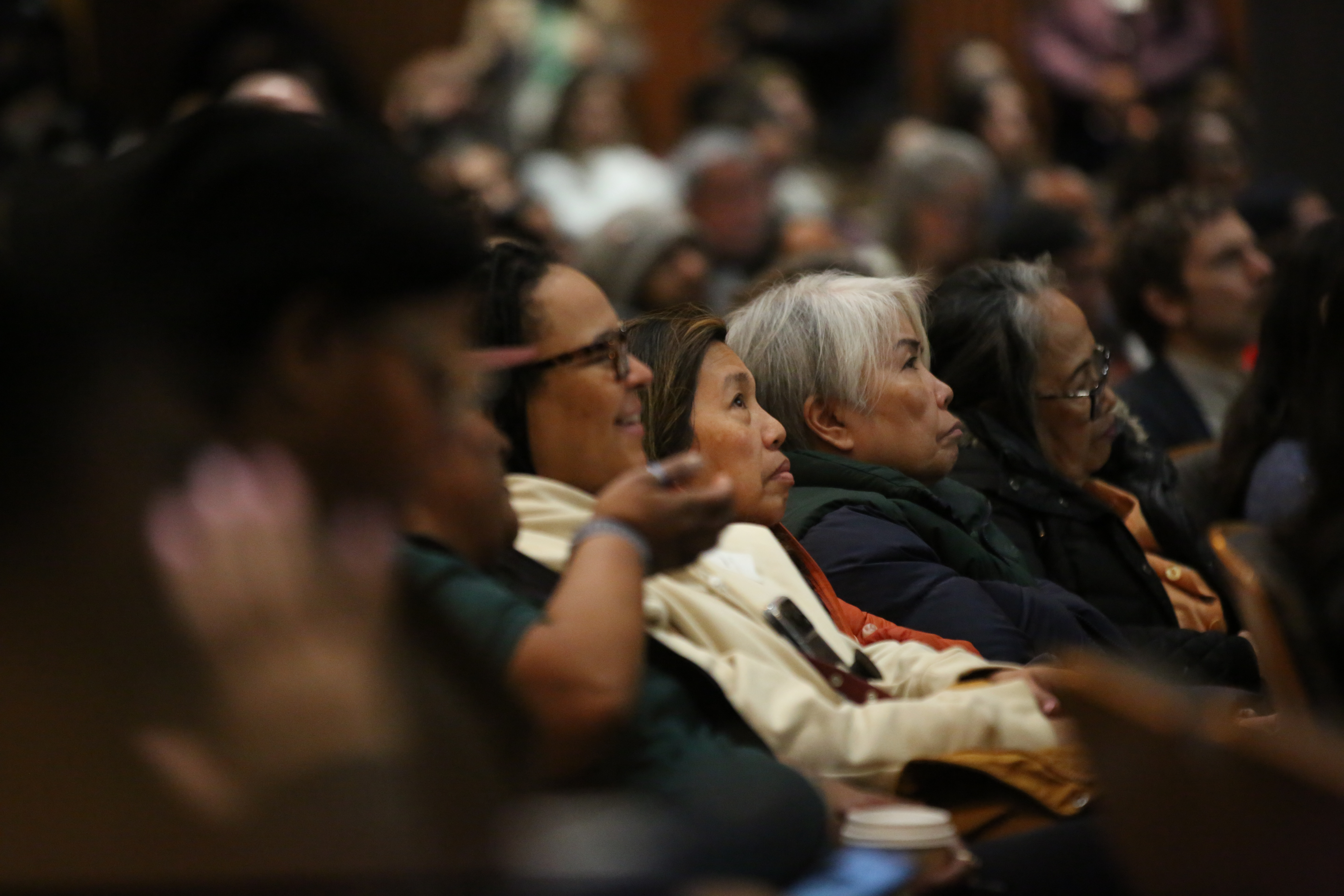
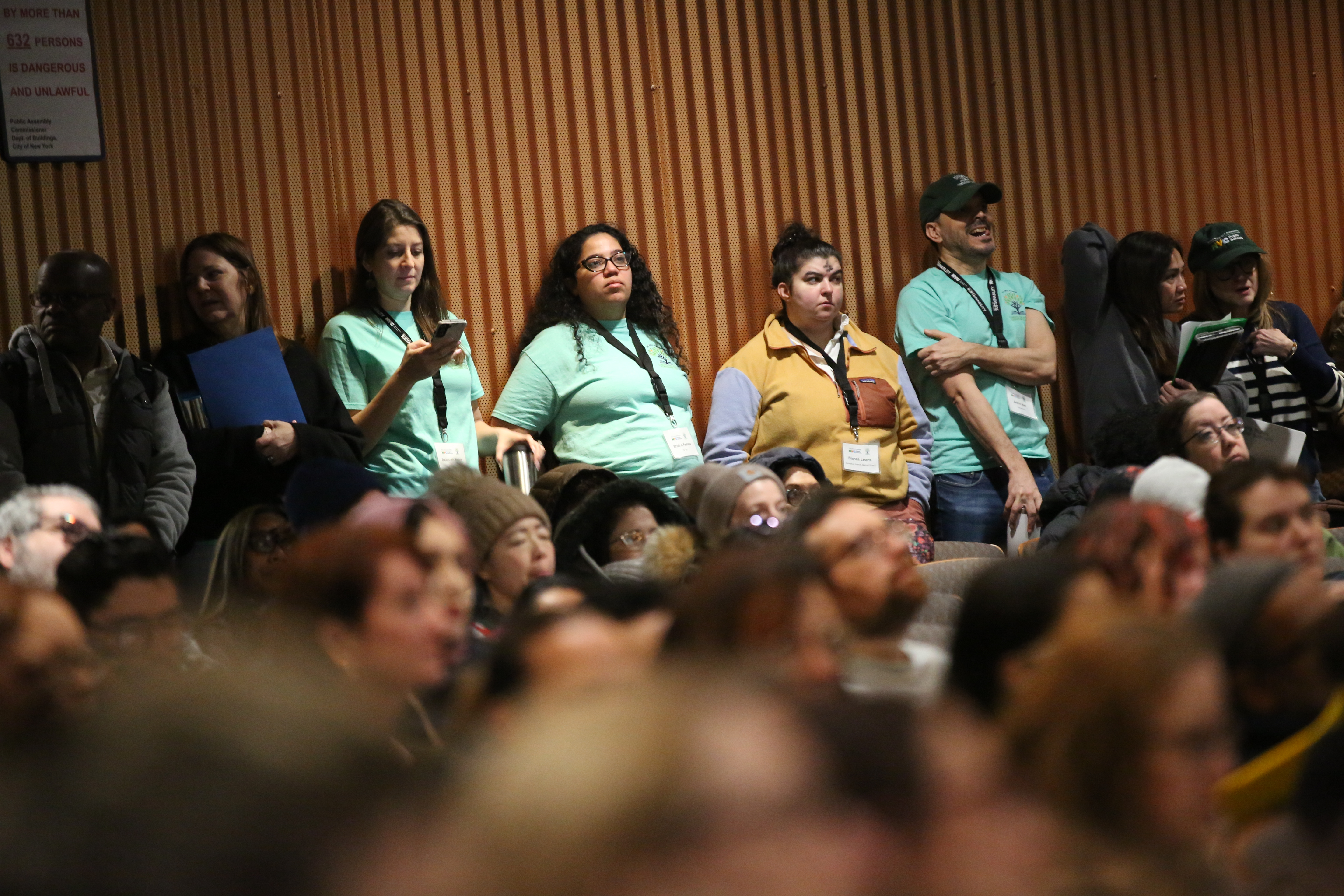
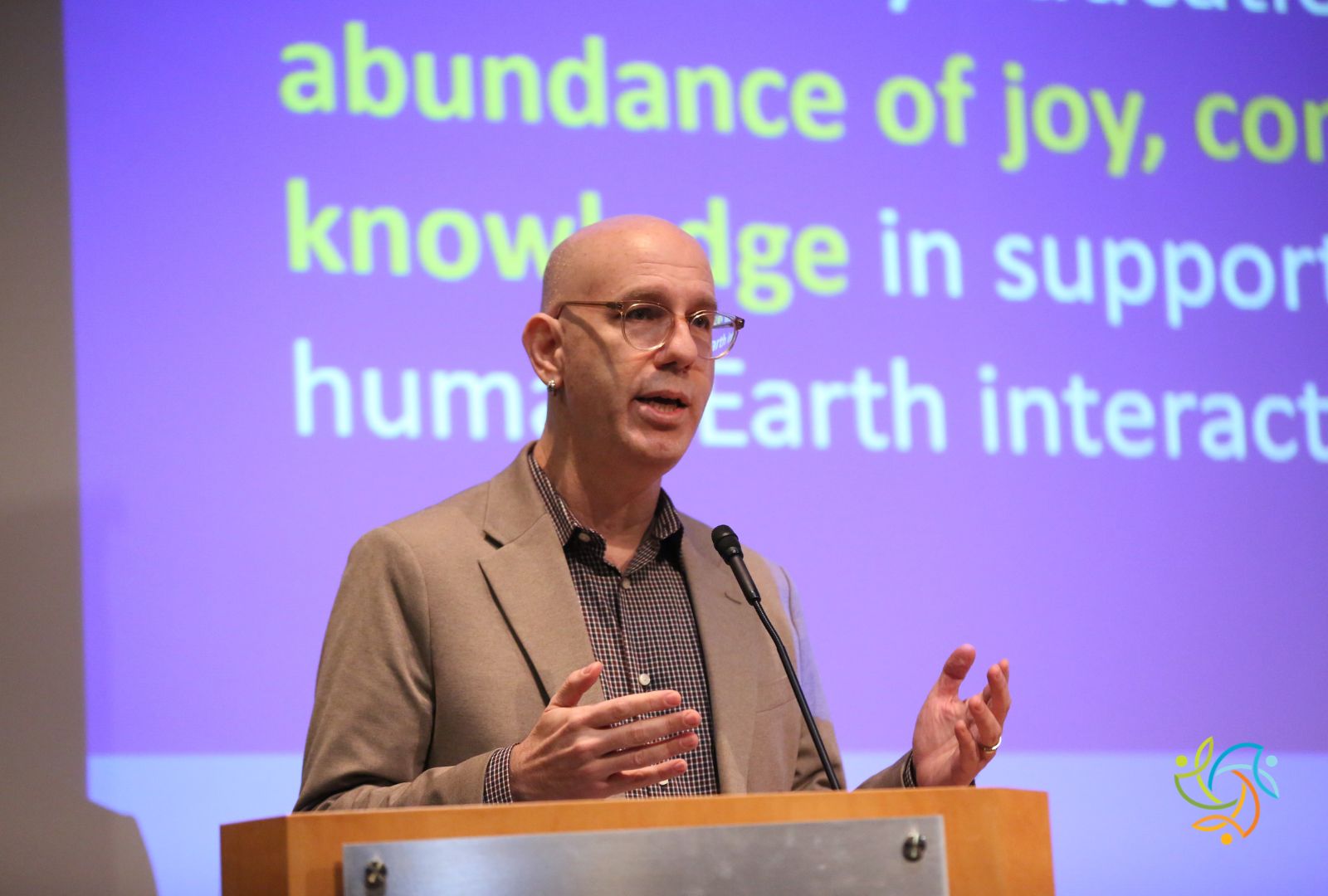
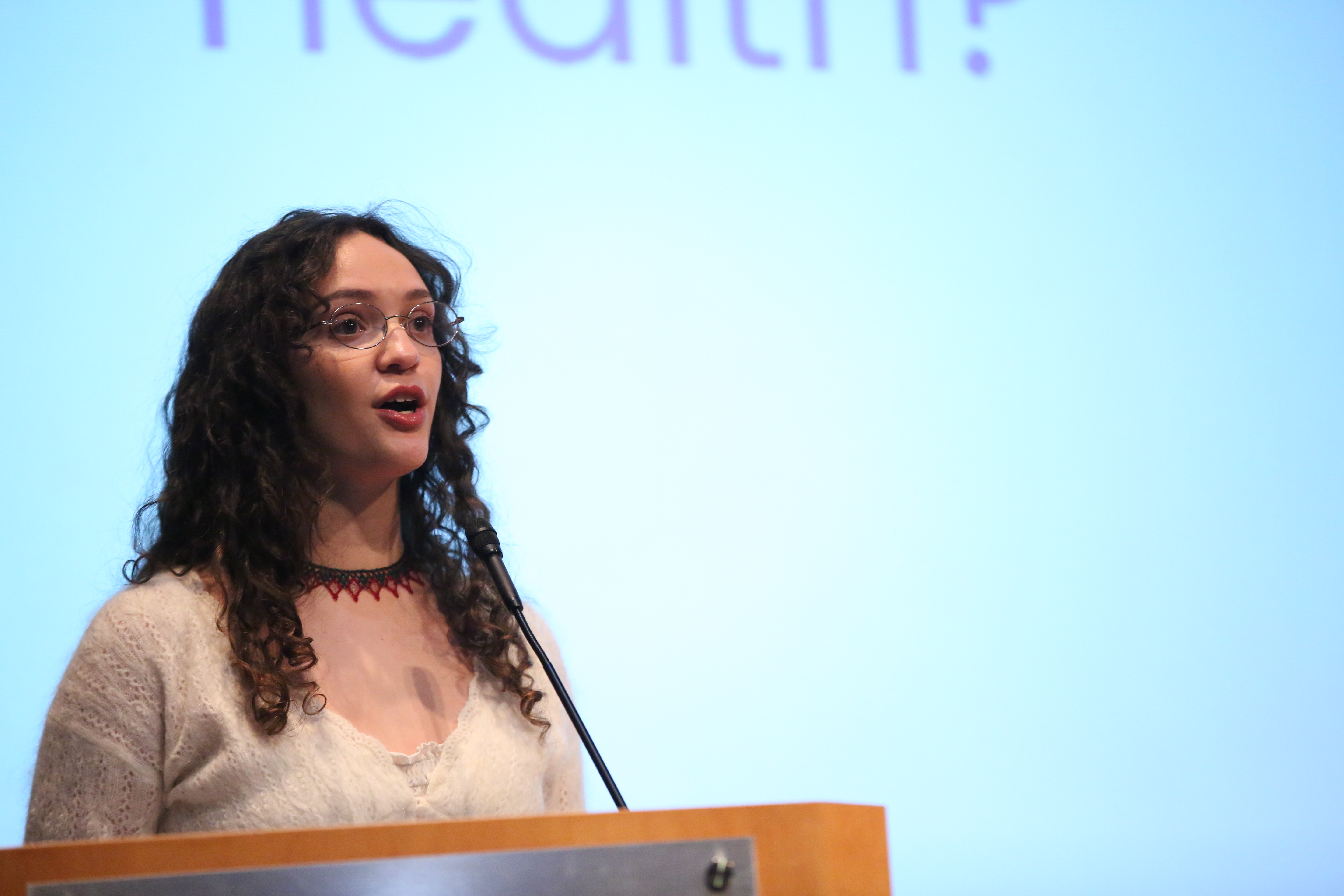
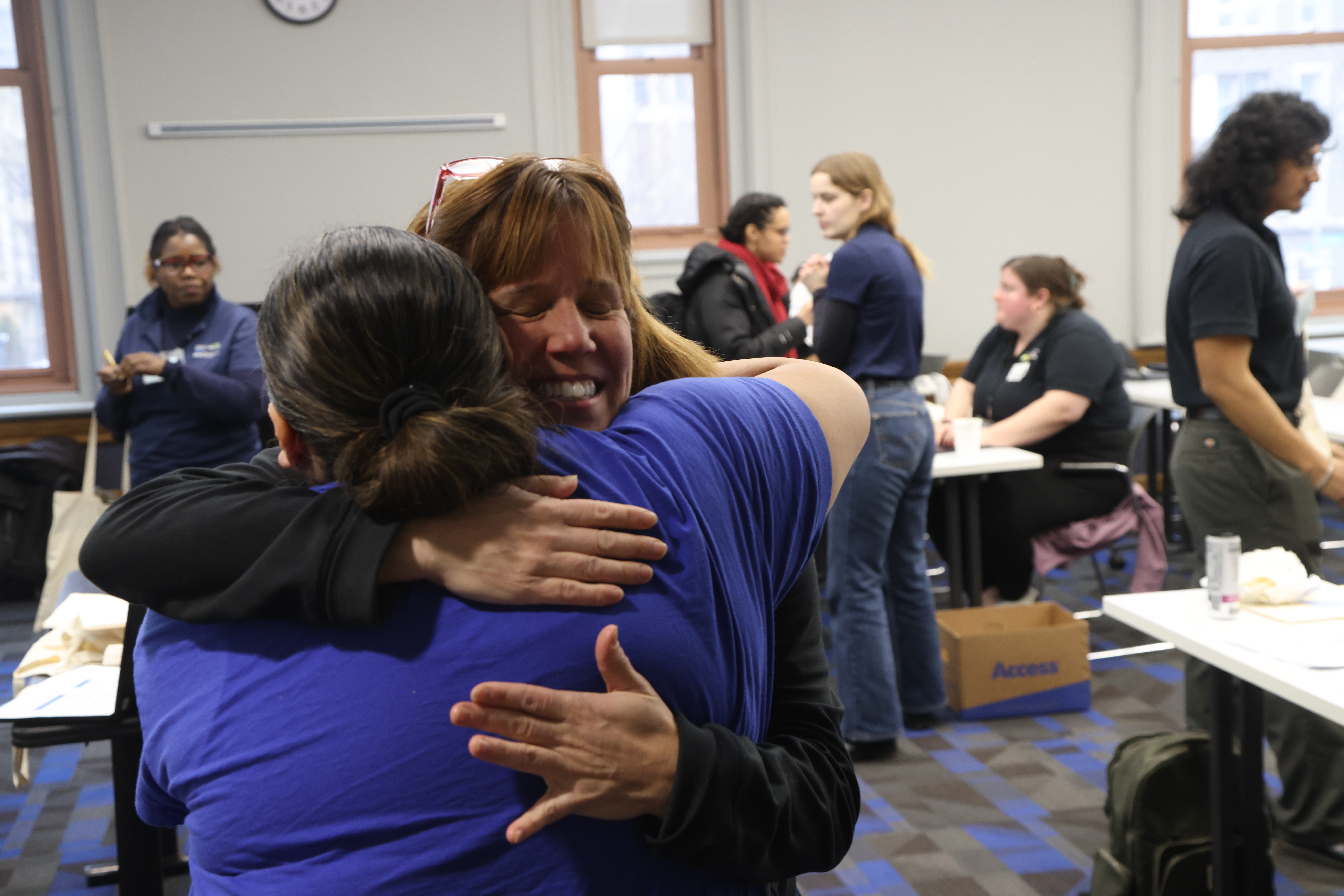
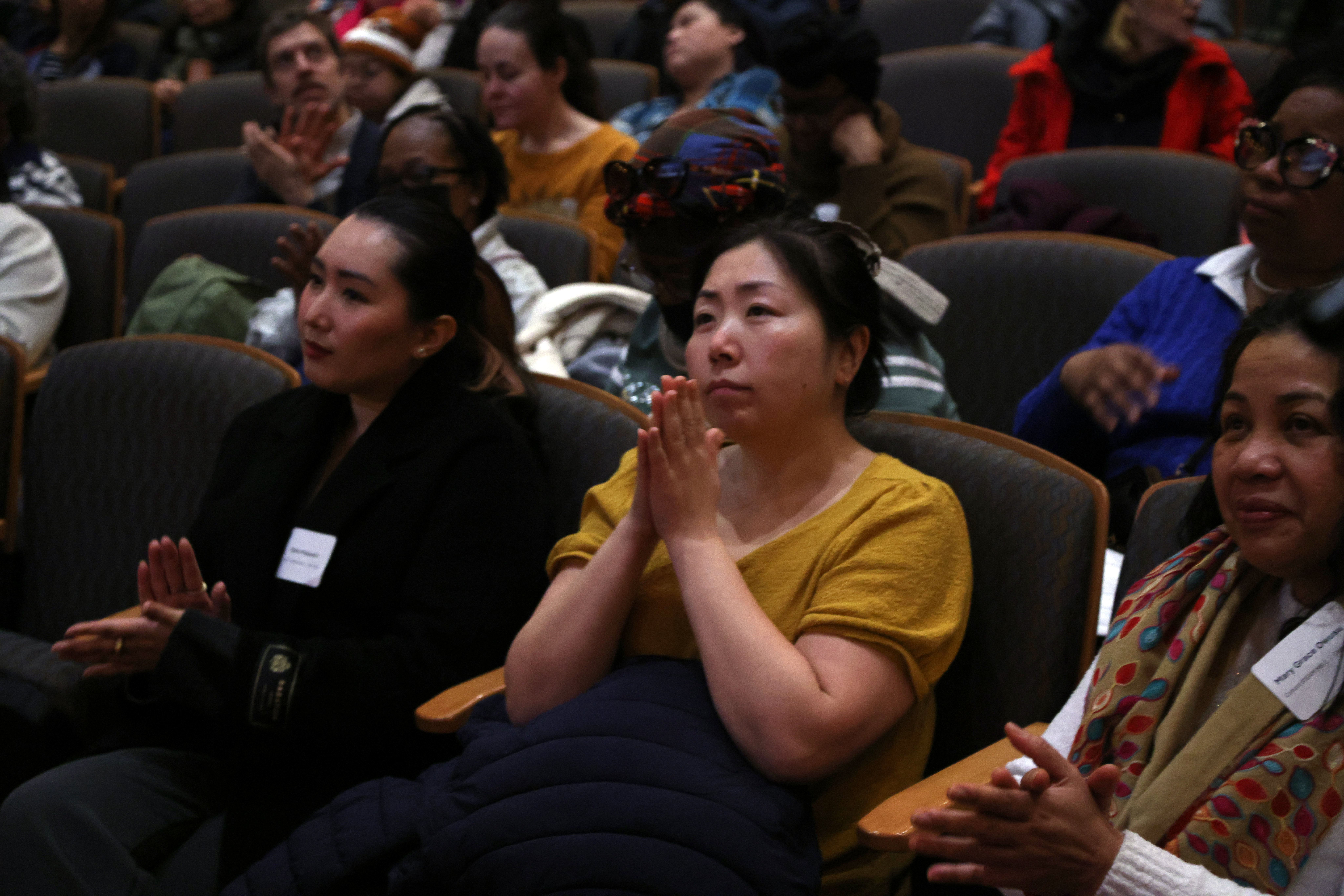
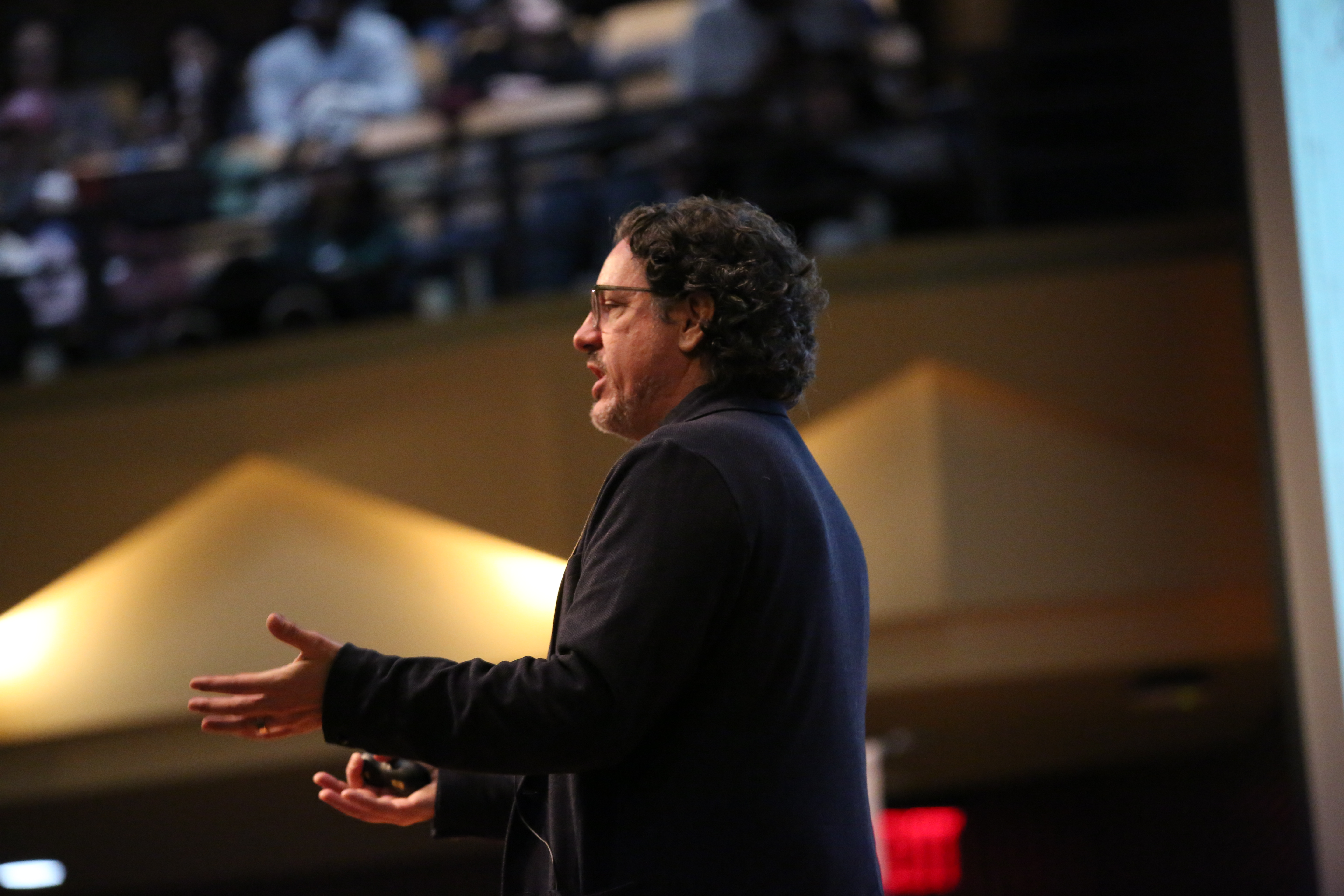
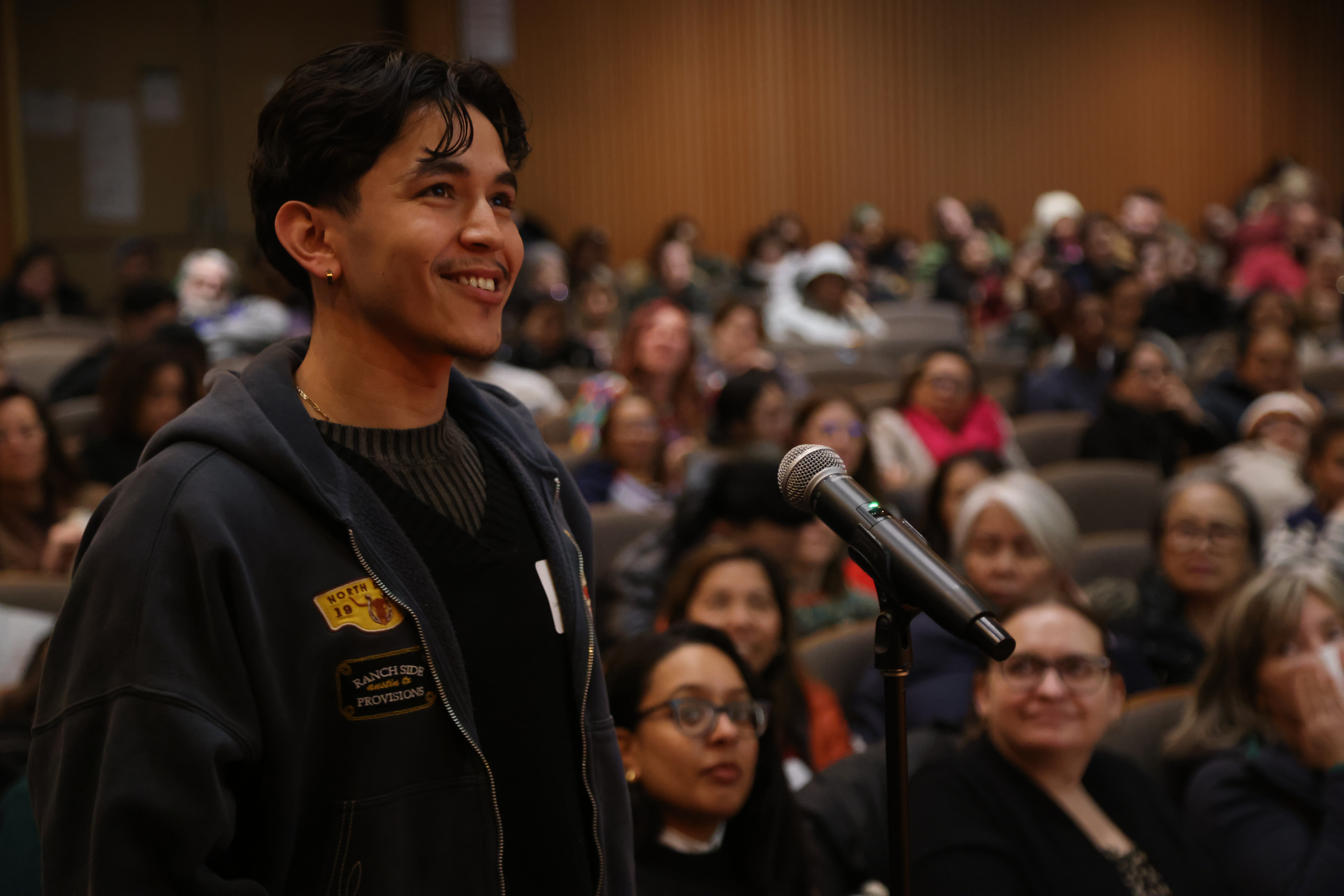
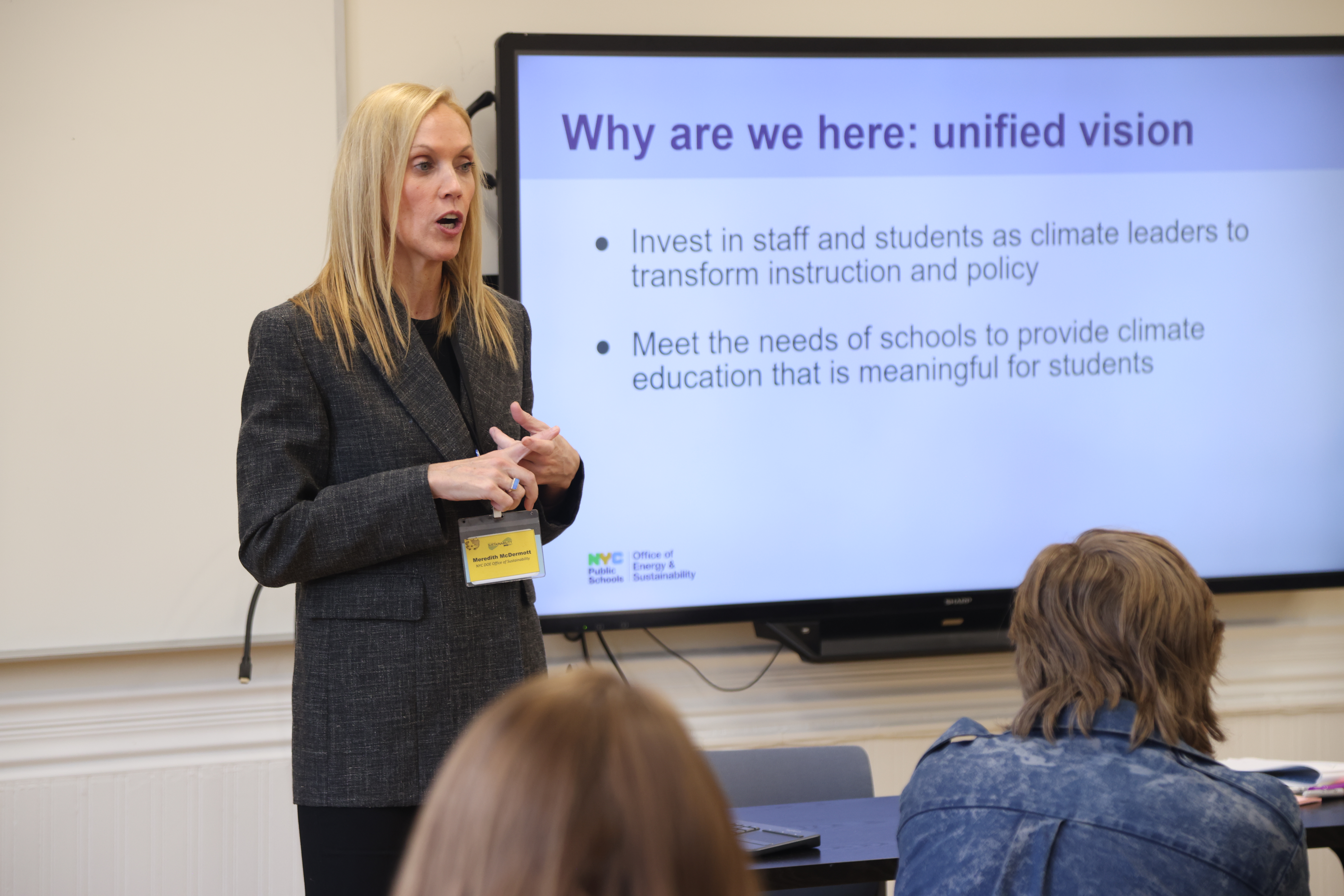
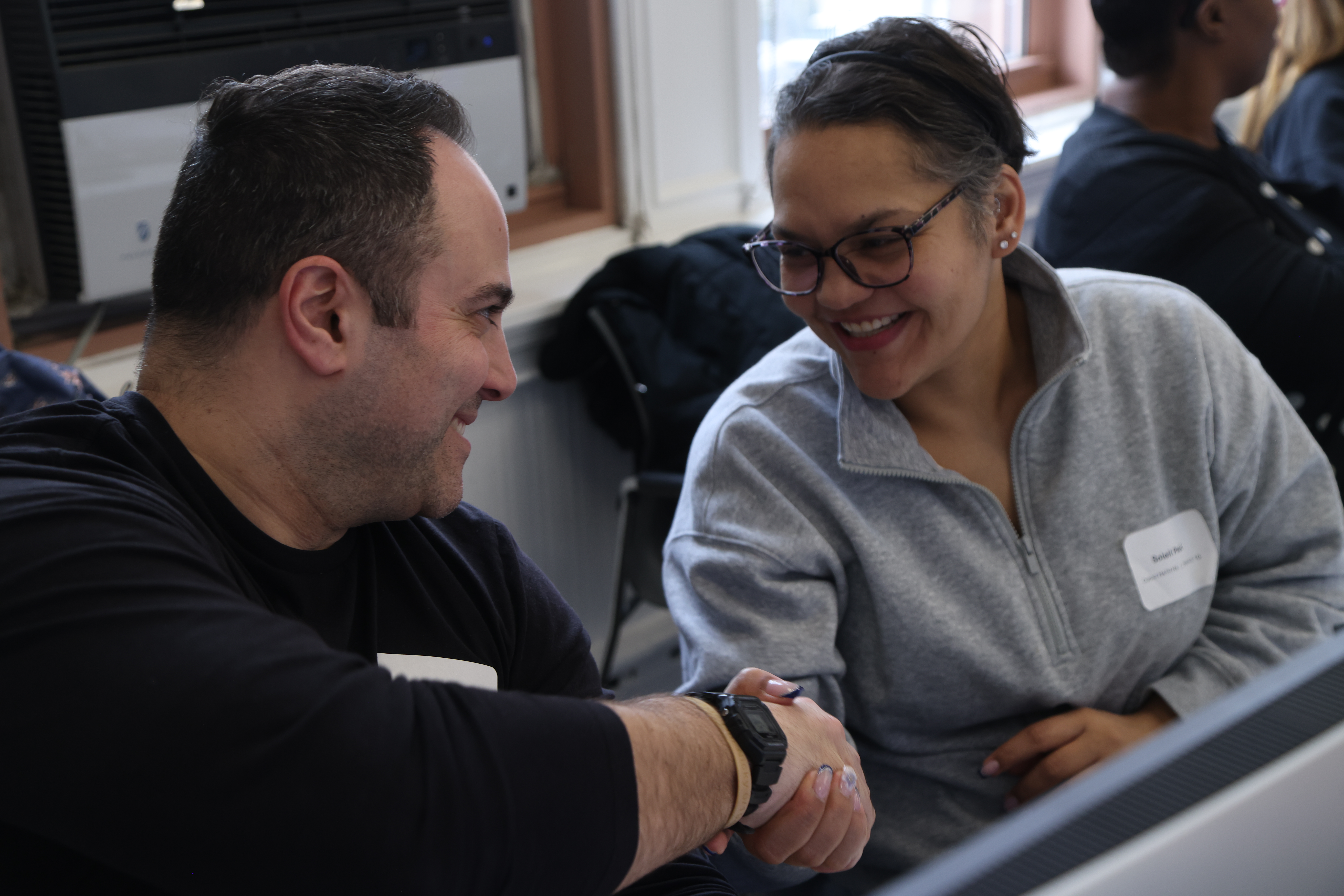
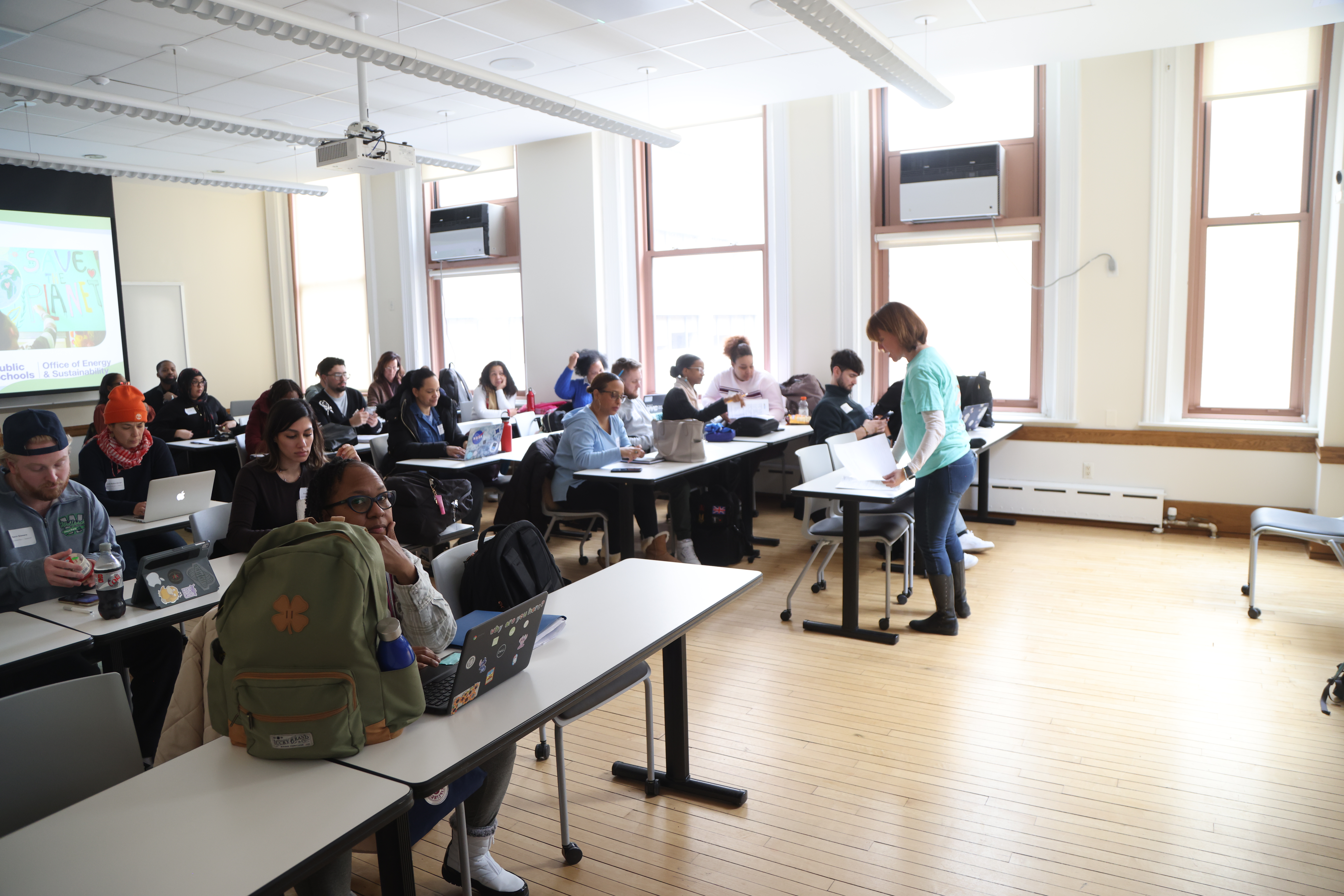
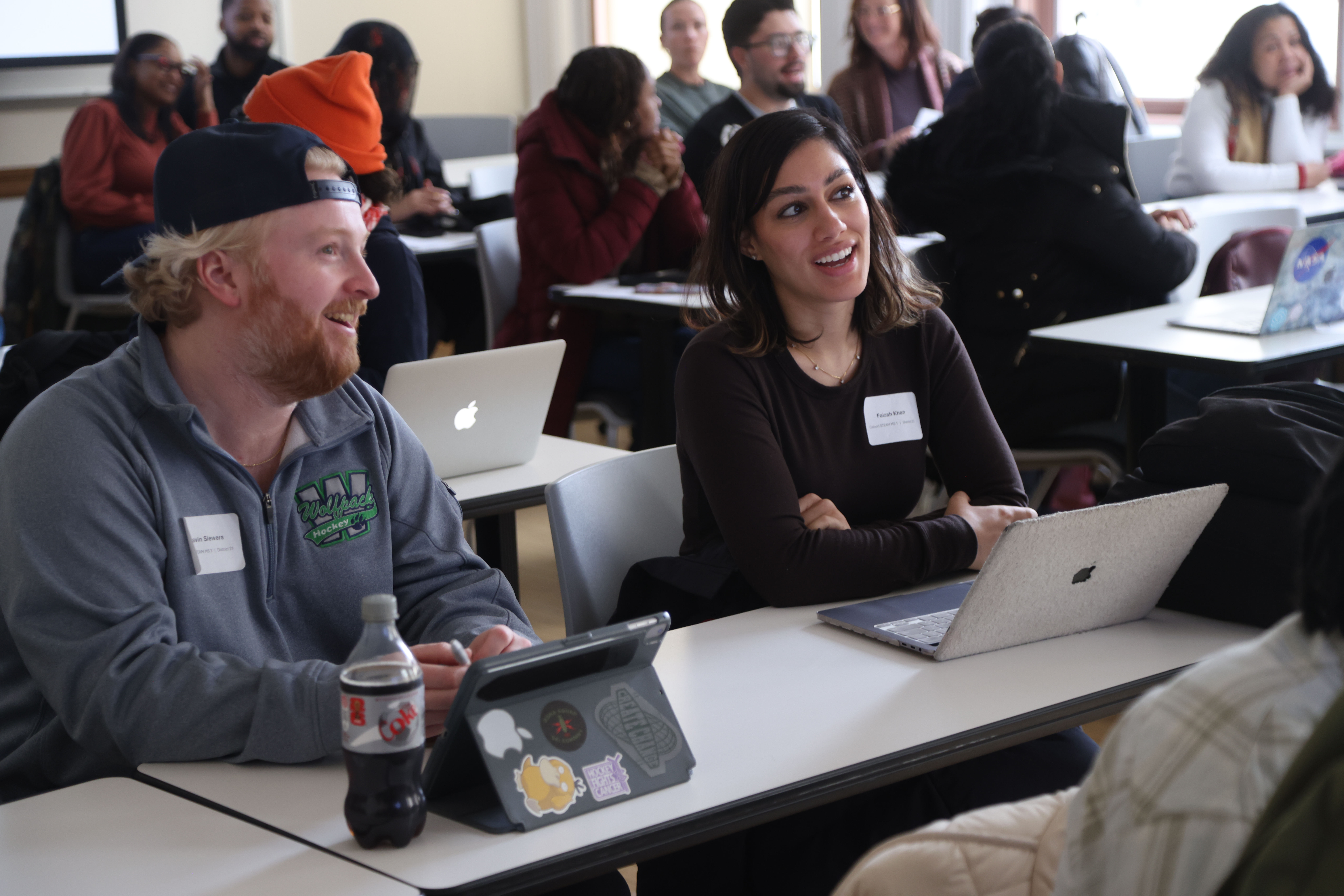
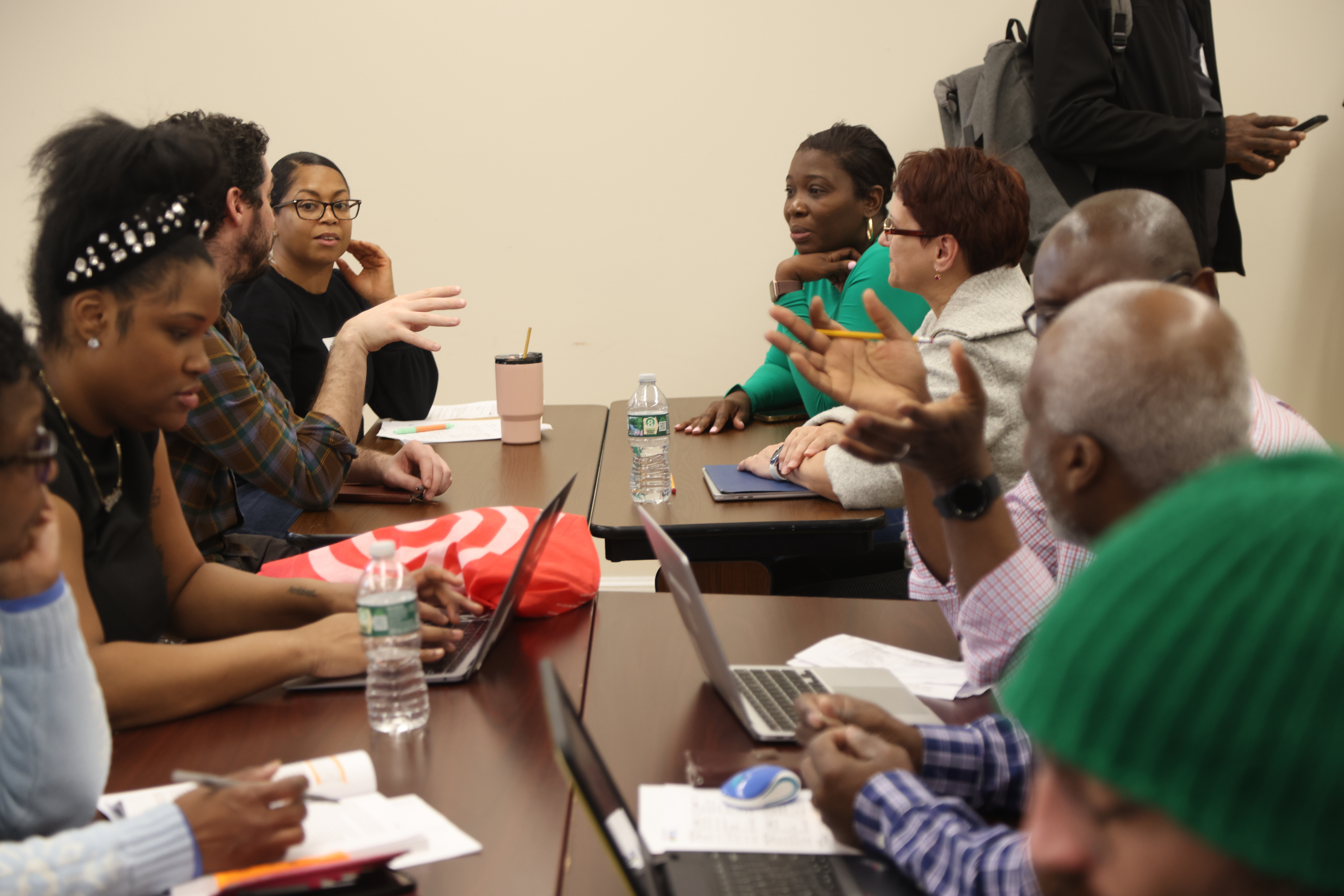
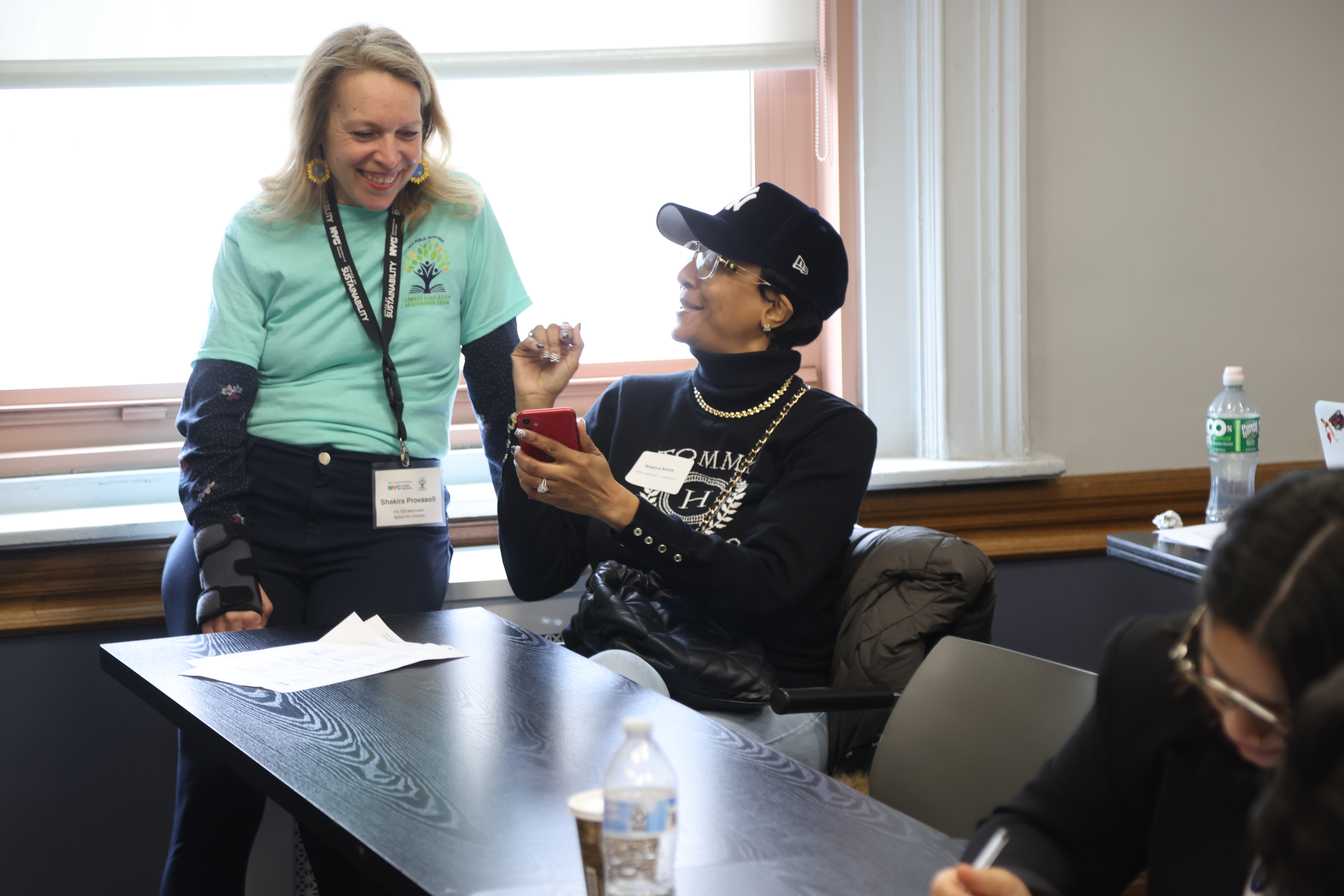
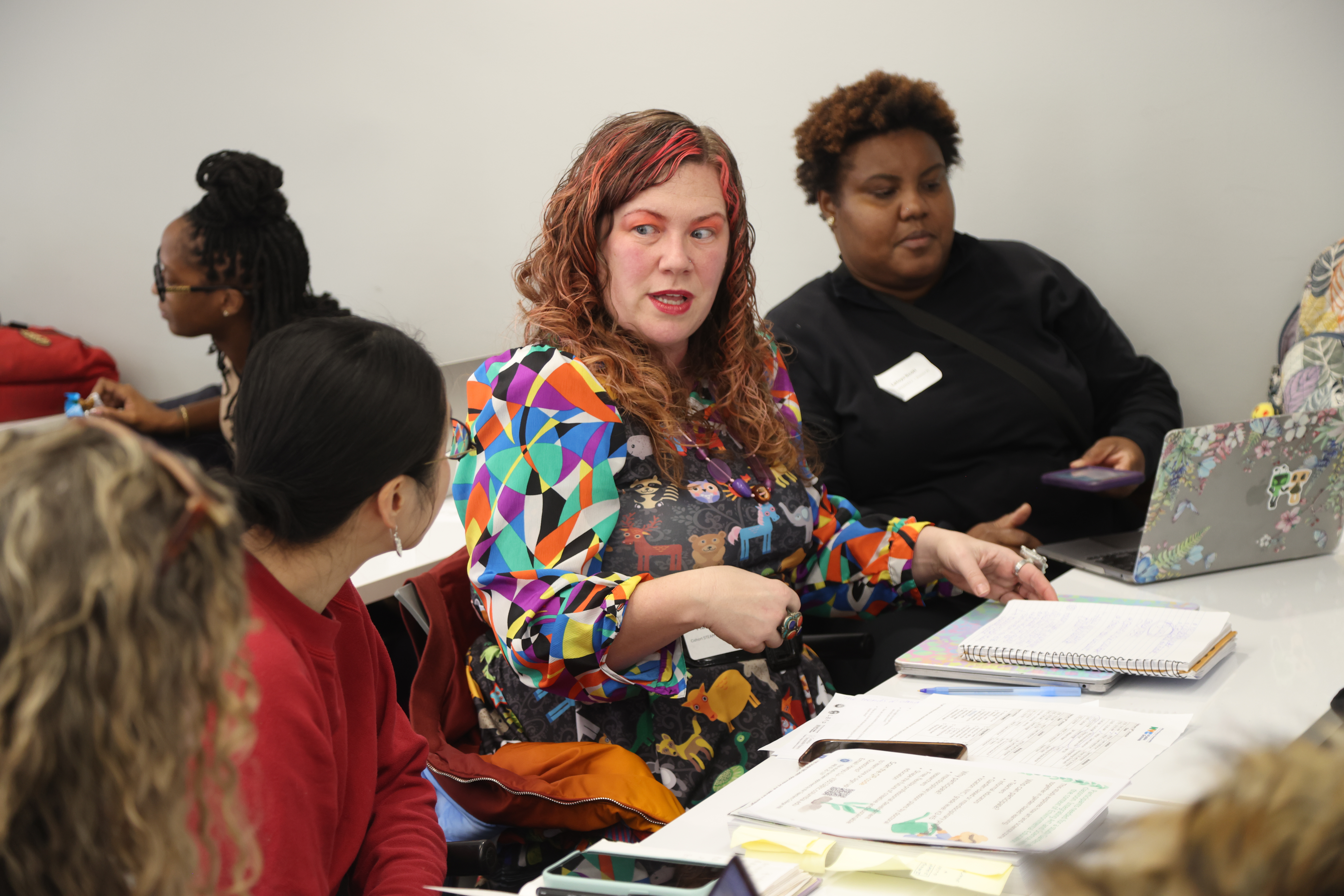
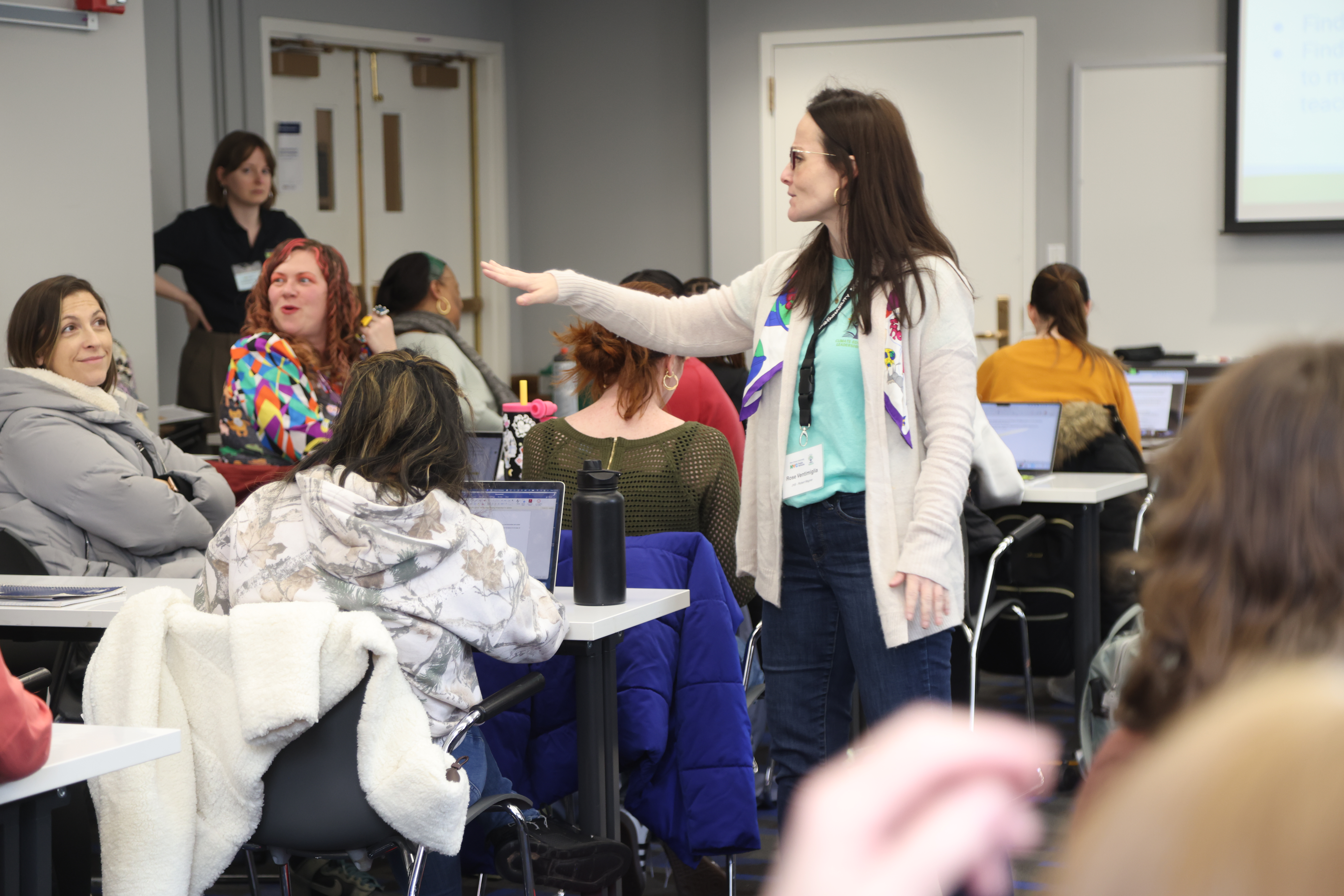
To make the most of the time educators spent together in person, the Institute adopted a flipped classroom model. Before arriving at Teachers College, participating teachers engaged independently with a curated set of preparatory materials: a podcast episode exploring what schools could do about climate change, news coverage of landmark legal cases including the Montana youth climate lawsuit, and a recorded lecture by Jason E. Smerdon from Columbia Climate School. By the time educators convened in person, the groundwork had been laid. Synchronous sessions were freed up for deeper work, disciplinary groups selected themes to analyze collaboratively, and the process culminated in a series of pitches in which each group presented their pedagogical strategies to peers. The model served a dual purpose by reducing professional isolation and allowing teachers to experience firsthand the kind of active, inquiry-based learning they are encouraged to bring into their own classrooms.
"In a survey following the Midwinter Climate Institute, teachers shared feeling more prepared to teach about climate change, and motivated to start conversations about sustainability in their schools. With small adjustments, teachers can incorporate climate themes in their existing lessons and activities. At the Institute they learned from their peers, reviewed model lesson plans, and practiced hands-on learning with dozens of partner organizations. With NYSED's Portrait of Graduate requiring climate education in the coming years, giving teachers tools, resources, and support for climate education now prepares them to be leaders in their schools." - Kailyn Fox, Education And Training Manager, Office of Energy & Sustainability at NYC Public Schools
A Hopeful Path Forward
The Institute is already beginning to show what it makes possible in practice. Across sessions, educators left with clearer entry points for bringing climate change into their classrooms, from student-led discussions on local environmental issues to connections between climate topics and existing subjects like social studies and science. Many described a shift in confidence: what once felt abstract or overwhelming became something they could approach with structure and purpose. What emerges is less about a single intervention and more about momentum. Educators are returning to their schools with shared language, practical tools, and a growing sense of how climate learning can fit within existing constraints. Our facilitators are using that same energy to refine what comes next, identifying what supports teacher follow-through, where barriers remain, and how to extend this work beyond a one-time experience. Over time, the goal is becoming visible: a shift from individual classrooms experimenting in isolation toward a more connected, system-wide approach to climate education across New York City's public schools.