Amidst the murders of George Floyd, Breonna Taylor, Ahmaud Arbery, and countless more; and heightened awareness of police violence and racial injustice towards Black, Indigenious, and People of Color (BIPoC), the Society of Nutrition Education and Behavior (SNEB) issued a statement addressing racial injustice. In this statement, SNEB promised to provide space during its online conference “for open exploration and discussion of what an authentic, actionable agenda that promotes greater food justice and racial equity could look like for SNEB.” Accordingly, SNEB hosted a “Dismantling Racism Workshop” during the first day of their 2020 Conference. During this workshop, over 200 members were broken up into small groups and asked to provide feedback on SNEB’s statement and brainstorm actionable steps on how the organization and its members can address systemic racism in workplaces and throughout the food system.
Some ideas resulting from the “Dismantling Racism Workshop” included:
- Creating pipeline programs to diversify the field and its leadership;
- Hosting book clubs and workshops, intentionally featuring BIPoC authors and issues;
- Providing professional development on racism, equity, and inclusion; and
- Creating working groups that actively address these issues and are integrated in strategic planning on all levels of the organization.
While this workshop was well-intended, I felt like it made the same mistakes as prior organizers and educators. Throughout my ten years of being an Asian student and professional in the food and nutrition field, it was abundantly clear that I was the one minority student in rooms of white women. On one hand, I could count how many colleagues were in each of the following categories: Black, Asian, Man. During group discussions or classes, I often felt like I was the only non-white voice. I felt like I needed to gather my courage, push against the grain, and provide context to the story. Cultural differences are not a barrier to healthier outcomes. We should work with people, not against their heritage and beliefs. However, over time, I became exhausted with this sense of responsibility: “If I don’t speak up, no one else will hear this part of the story.”
For this workshop, it seemed like there was little organization or training for facilitators. Before jumping into the small groups, no one created a “safe space” for discussion. So in my small group, I again felt like the only non-white voice.
I’m glad that SNEB and many other professional, educational, and values-driven organizations have created a dedicated time and space to address the issue of systematic oppression and inequity. I’m glad that we are all learning to be more humble and listen more intently. And as we are all learning to better ourselves as individuals and professionals, I hope we first remember to create a “safe space” before asking questions that may trigger painful or even traumatizing experiences.
I cannot say I know how to best create a safe space. However, I do recommend it starts something like this:Before any group discussion, start on the same page with a small handful of agreements. For example, refer to page 12 from the Racial Equity Toolkit from the National Young Farmers Coalition (2020).
This is a difficult learning process for everyone. I’m glad that we’re having these conversations. I’m sad that we needed to reach this point. But I’m hopeful that with collective action, we can move towards a sustainable and just system.
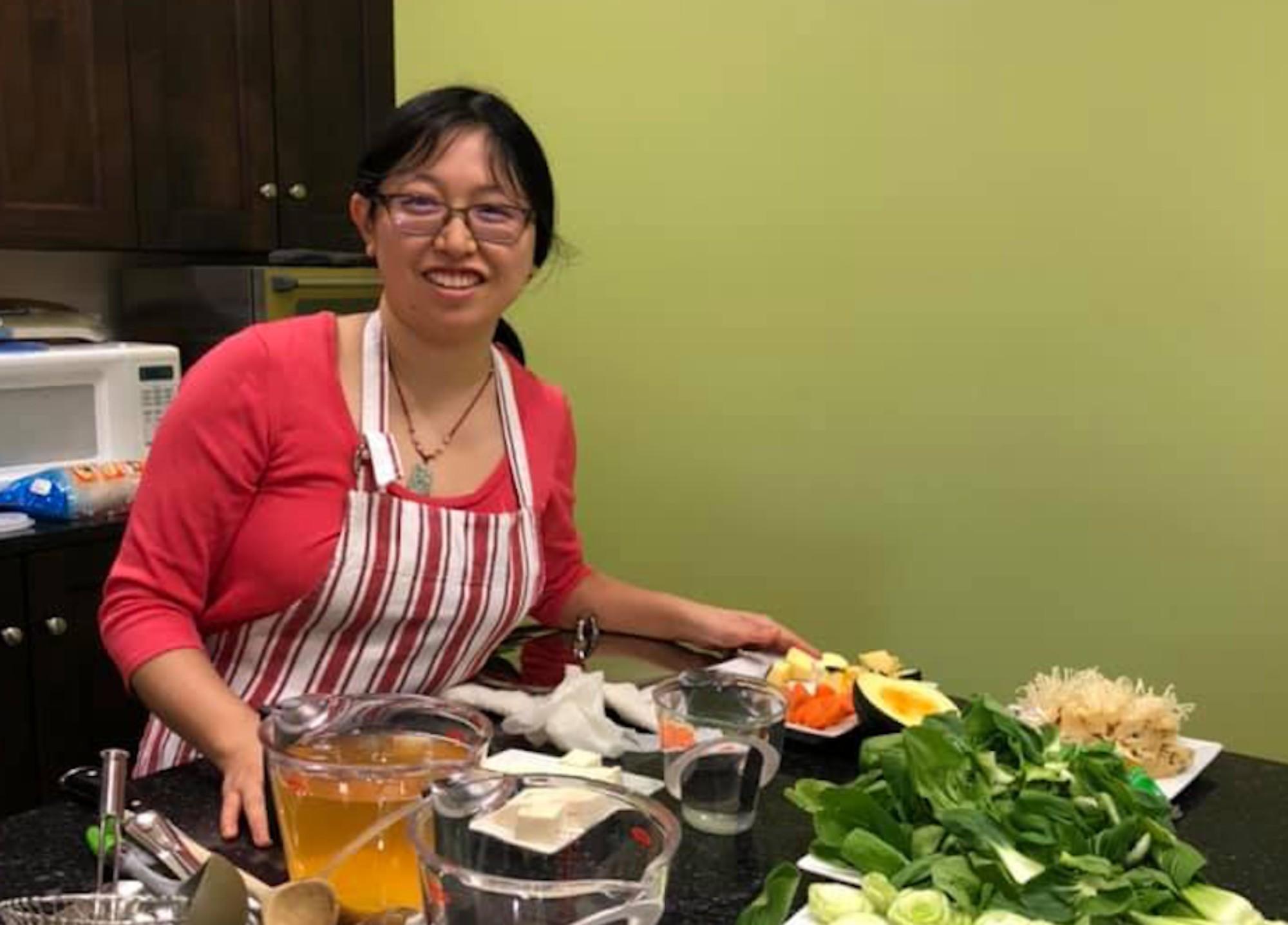
Lucille Tang recently completed the Dietetic Internship at Teachers College, Columbia University. She loves to engage youth through Culinary Nutrition Education workshops and her passion shines the brightest when organizing and advocating for policy that ensures all children have healthy, equitable, sustainable, and culturally appropriate food access and education.