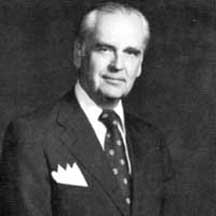
Colonel Eugene E. Myers was a decorated war veteran, museum administrator and philanthropist. He received his master’s degree from TC in drawing, painting and graphics in 1947 and was an instructor at the College from 1940 to 1941. He retired from the Air Force as a colonel in 1966, and became Dean of the Corcoran School of Art in Washington, D.C. In 1997, Myers established the Florence H. and Eugene E. Myers Charitable Remainder Unitrust (and since renamed the Myers Foundations) the trusts to support art in higher education and selected TC, as well as other institutions he had attended, to receive funding.

The first TC publication funded by the Myers Foundations was the illustrated volume, The Ziegfeld Collection: International Artworks of Adolescents from the 1950s.
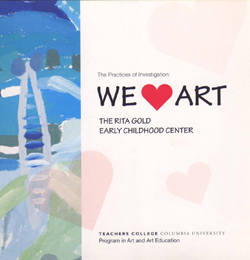
With funding by the Myers Foundation, Art and Art Education Professor Judy Burton established the “Practices of Investigation� series, which focuses on pedagogy, art and research, including, We Heart Art: The Rita Gold Early Childhood Center.
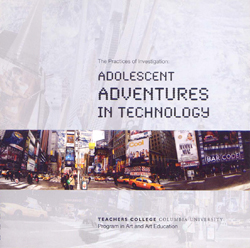
With funding by the Myers Foundation, Art and Art Education Professor Judy Burton established the “Practices of Investigation� series, which focuses on pedagogy, art and research, including, Adolescent Adventures in Technology.
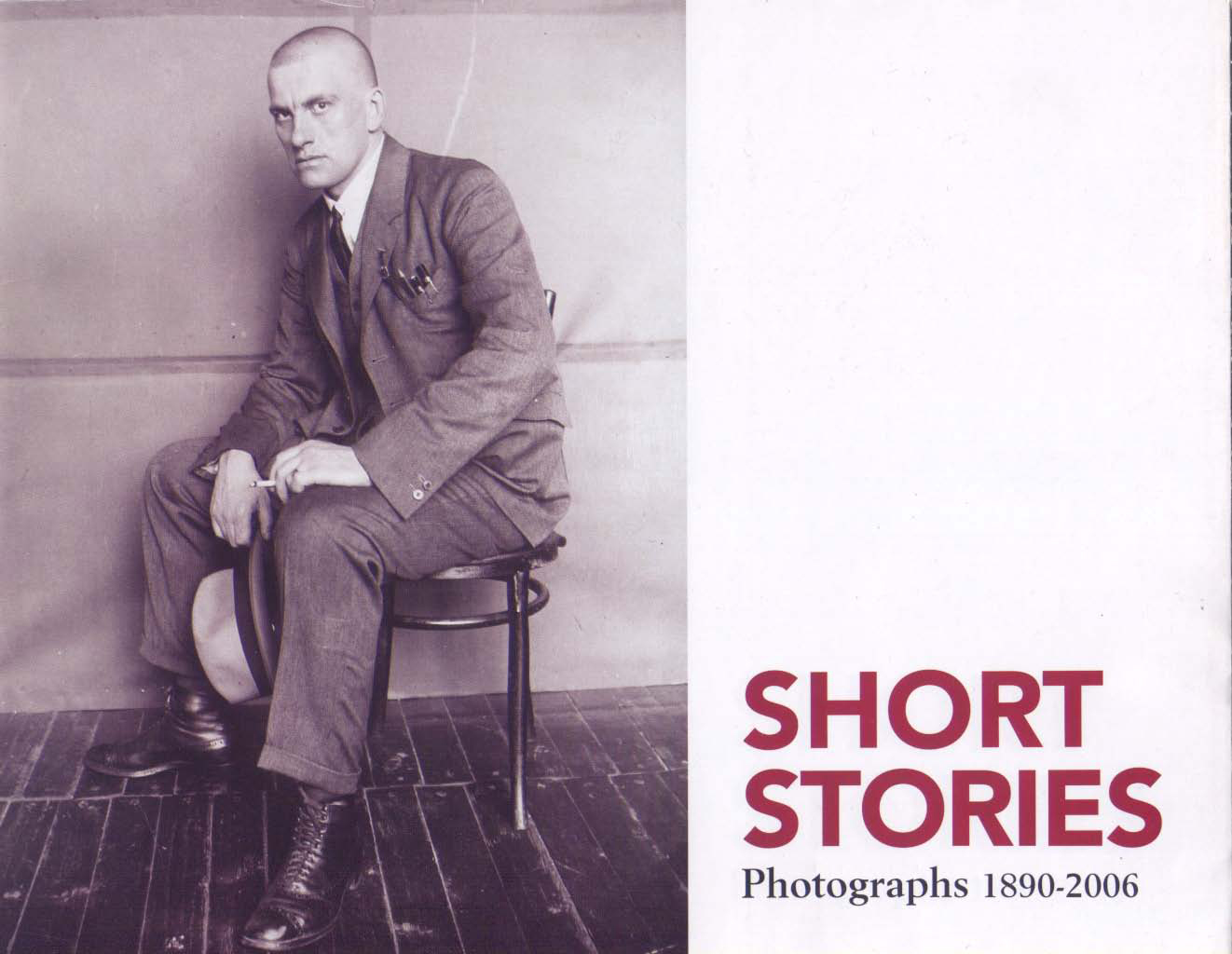
The trust funds created by Colonel Myers in the 1990s (and since renamed the Myers Foundations) have funded an array of art education exhibitions, including Short Stories, an exhibition and catalog featuring photographs from 1890 to 2006, that was curated by internationally known artist Maurizio Pellegrin.
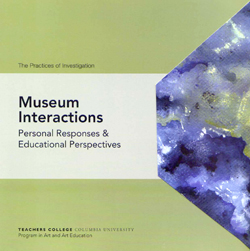
With funding by the Myers Foundation, Art and Art Education Professor Judy Burton established the “Practices of Investigation� series, which focuses on pedagogy, art and research, including, Museum Interactions: Personal Responses & Educational Perspectives.
With funding by the Myers Foundation, Art and Art Education Professor Judy Burton established the Myers Lecture series that brings four or five artists or scholars to speak at TC. “That has provided a tremendous resource to go outside of our expertise and bring here for lectures and workshops people who can add richness to our teaching,� Burton says. "It’s allowed us to be responsive to people and ideas in art and art education."