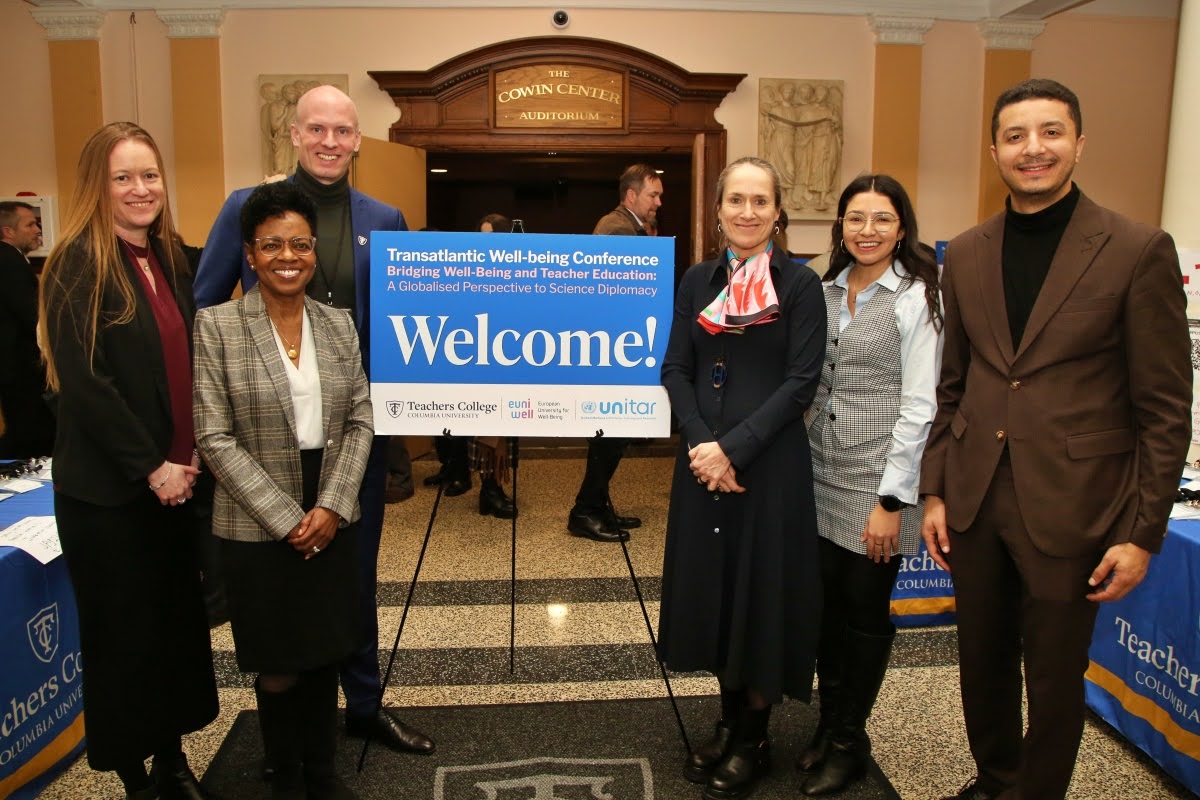
Amid rising levels of educator burnout, widespread teacher shortages and increasing mental health concerns among students, Teachers College and the European University for Well-Being (EUniWell) recently convened experts to develop shared strategies to make well-being a central priority in education systems worldwide. Hundreds of scholars across education, health, sustainability, culture and social equity convened at the United Nations Plaza to draft a multi-disciplinary resolution as part of the summit, titled “Bridging Well-being and (Teacher) Education: A Globalized Perspective to Science Diplomacy.” During a day of proceedings at UN Plaza, followed by two days at Teachers College, attendees shared research, co-created innovative practices and explored this nexus of teacher education, well-being, and international collaboration.
The conference was the latest milestone in the College’s ongoing partnership with EUniWell, which aligns TC with 12 European universities in multidisciplinary efforts to improve quality of life, and the delegation will continue to collaborate on the resolution that they plan to present to the UN in coming months. Their research-based policy proposals will aim to address the UN’s education-related sustainable development goals and UNESCO’s estimation that the global teacher shortage will reach 44 million by 2030.
Leaders and experts including TC President Thomas Bailey, who has prioritized interdisciplinary collaboration on key issues such as the future of teaching through the College’s Public Good Initiative, recognize the critical importance of holistic well-being to the future vitality of the teaching profession and the ability of educators to effectively prepare students.
Carousel
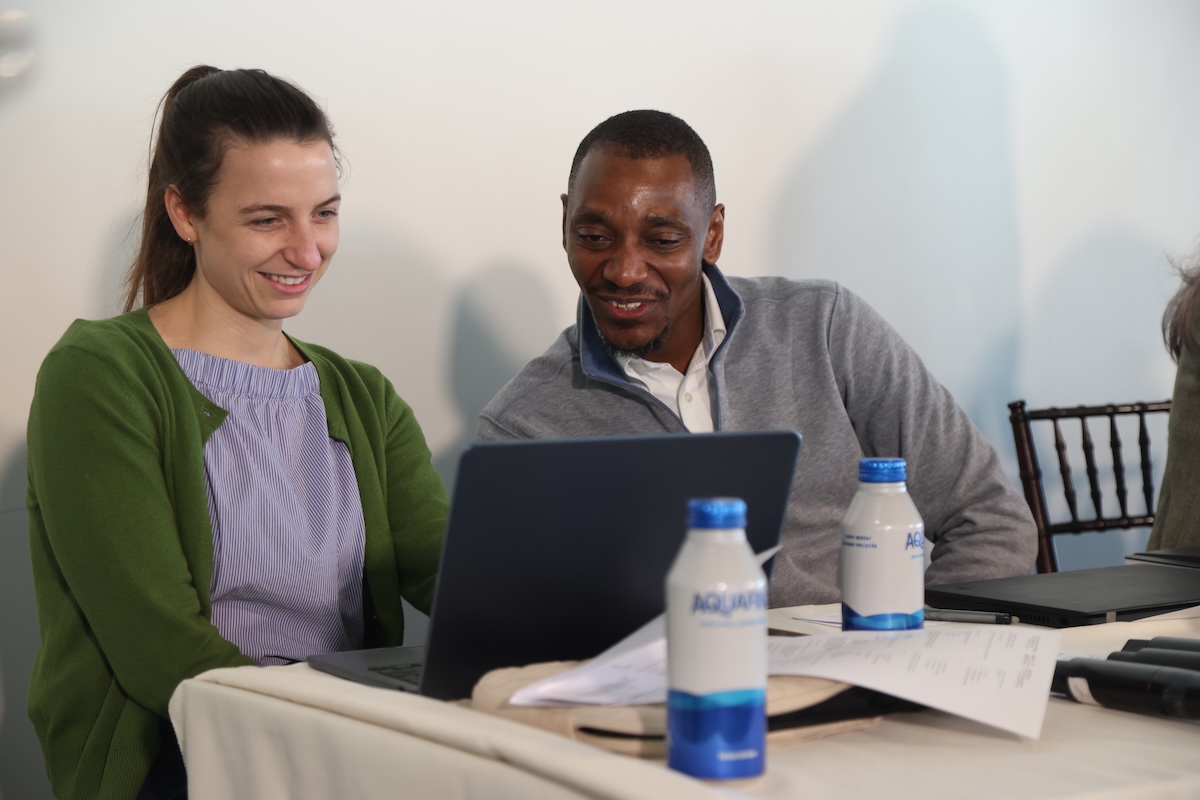
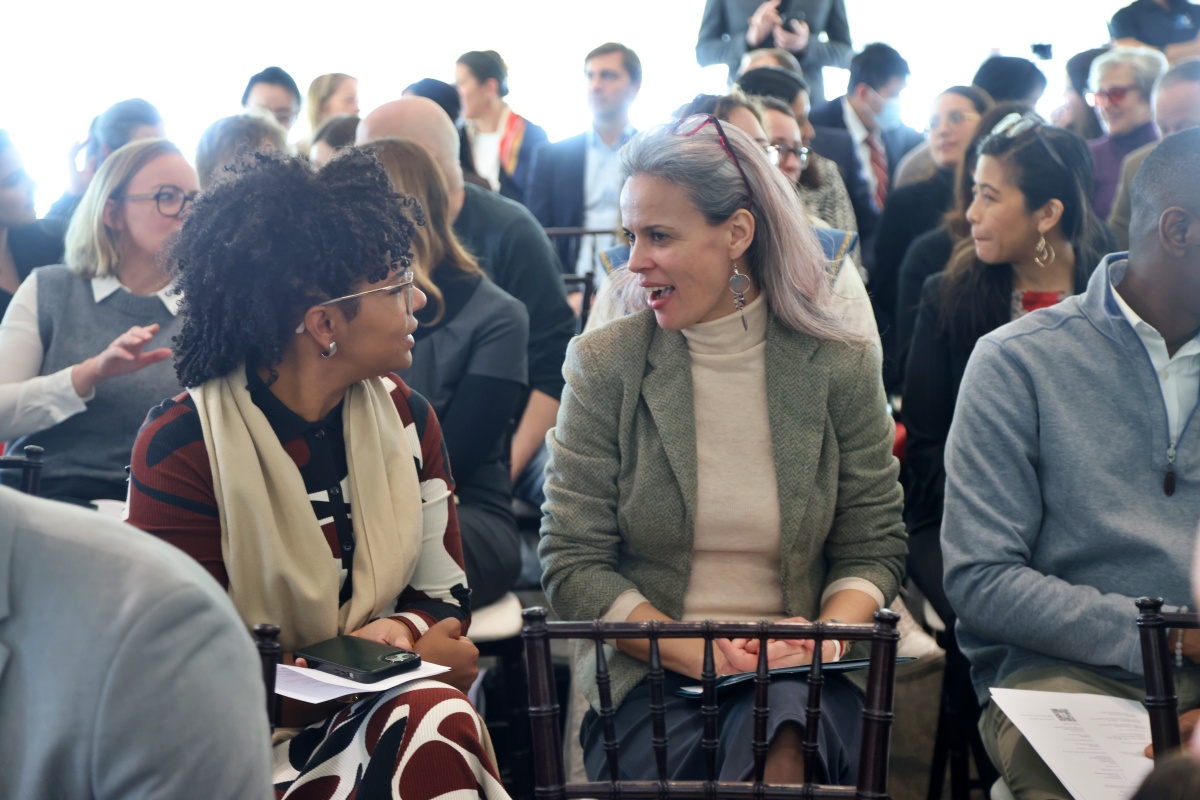
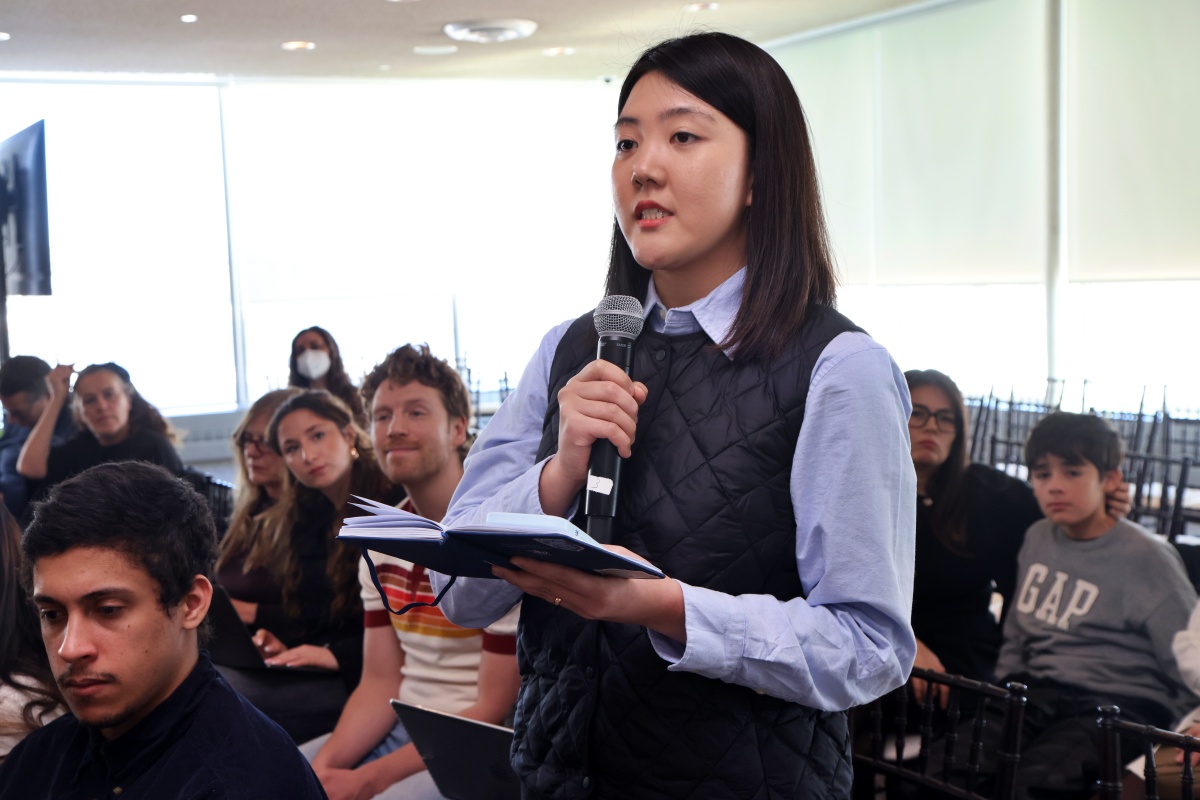
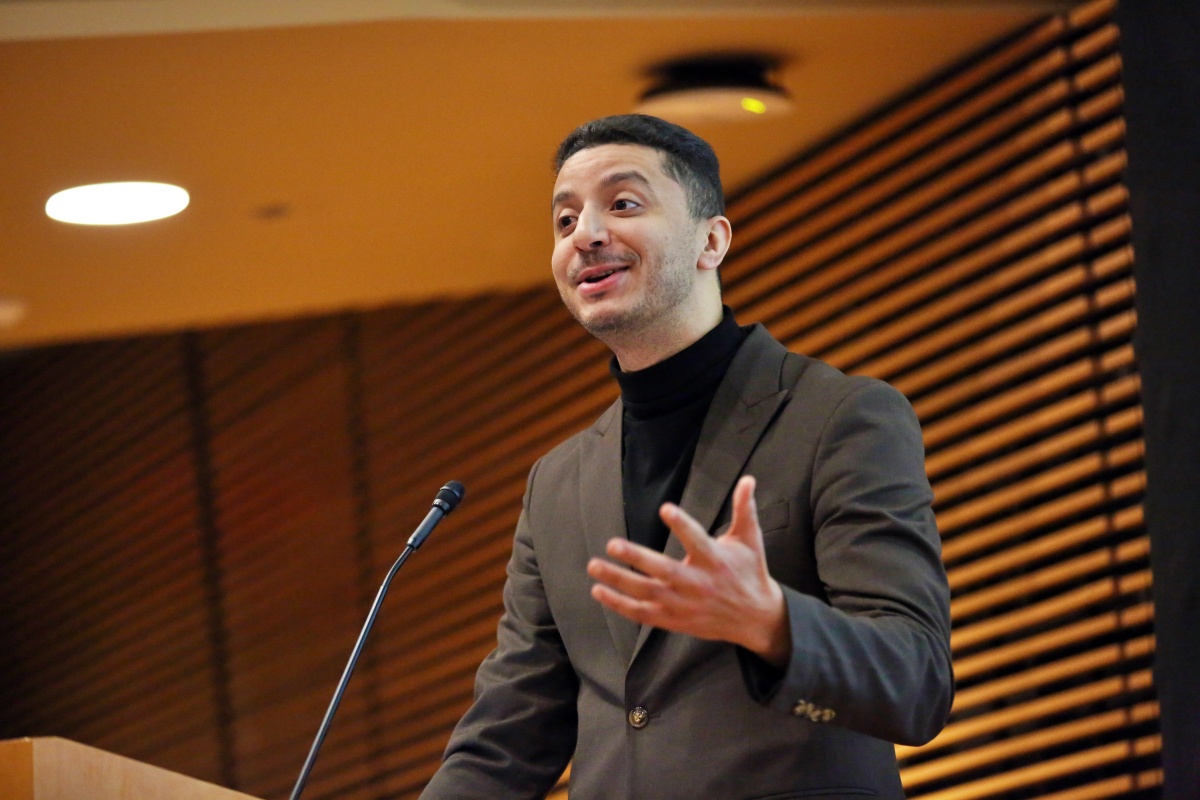
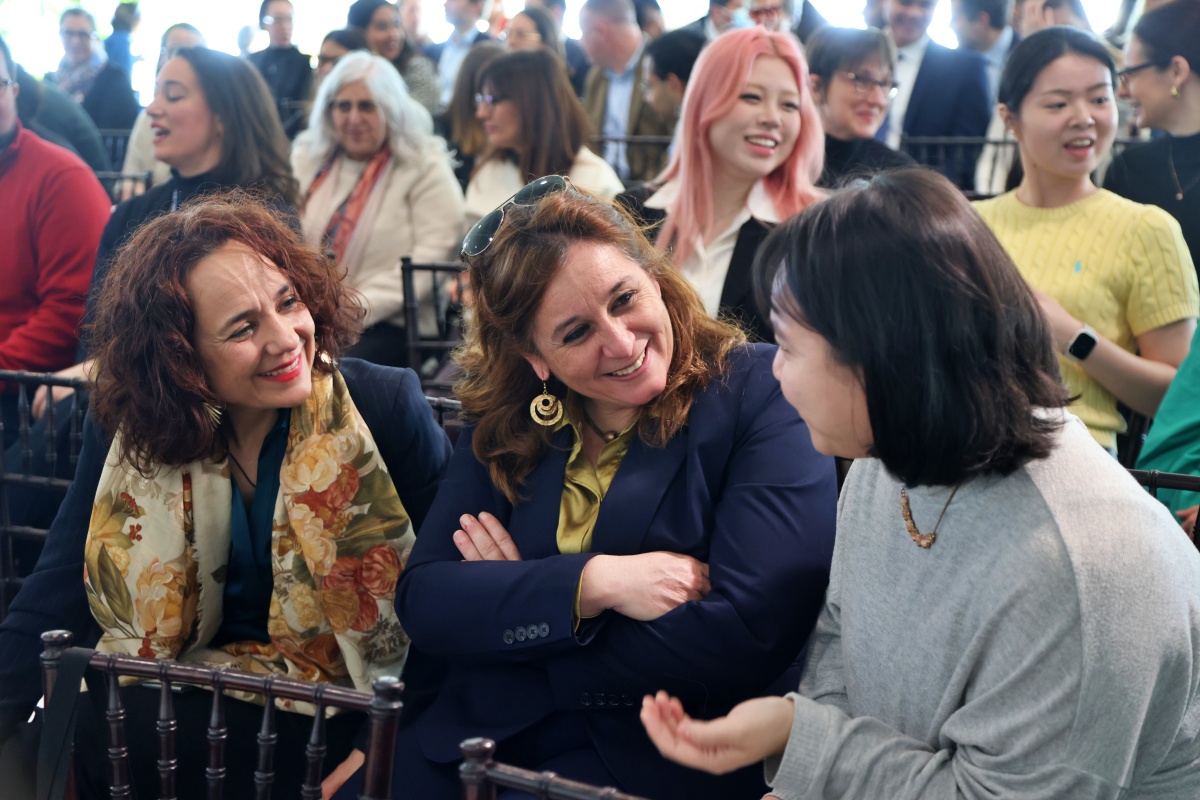
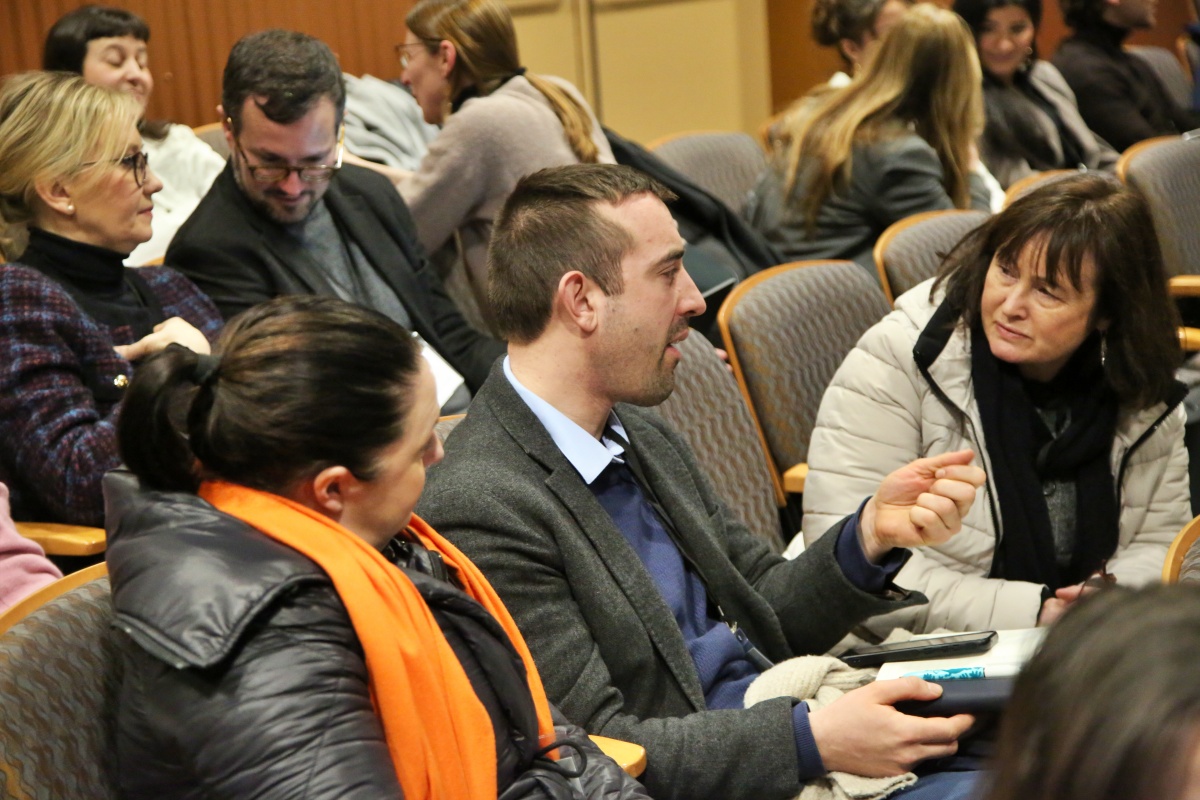
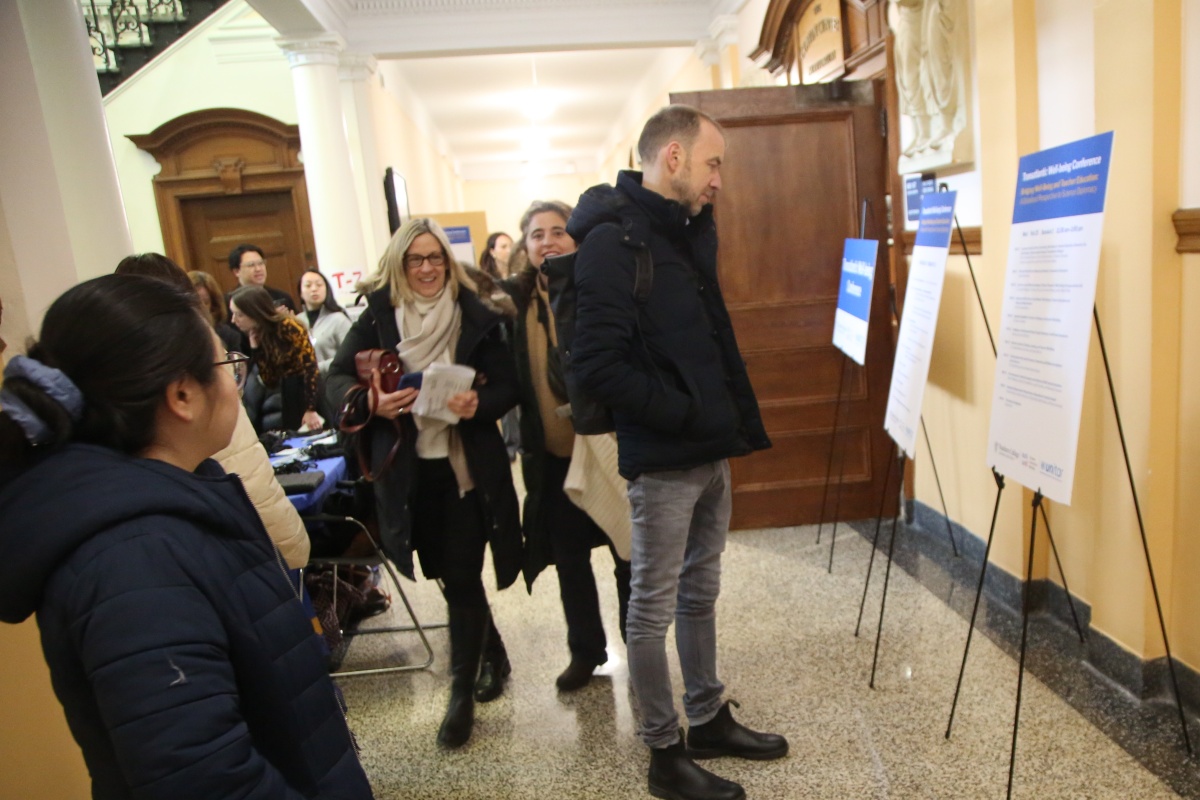
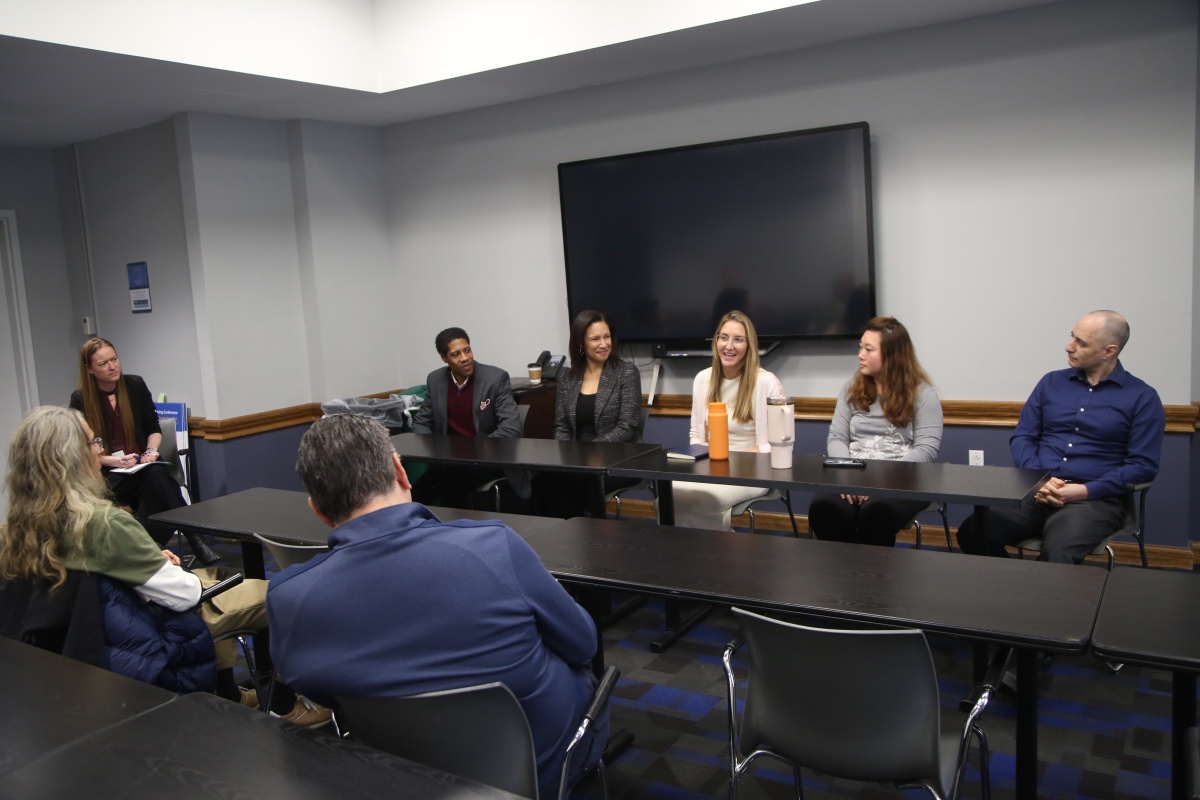
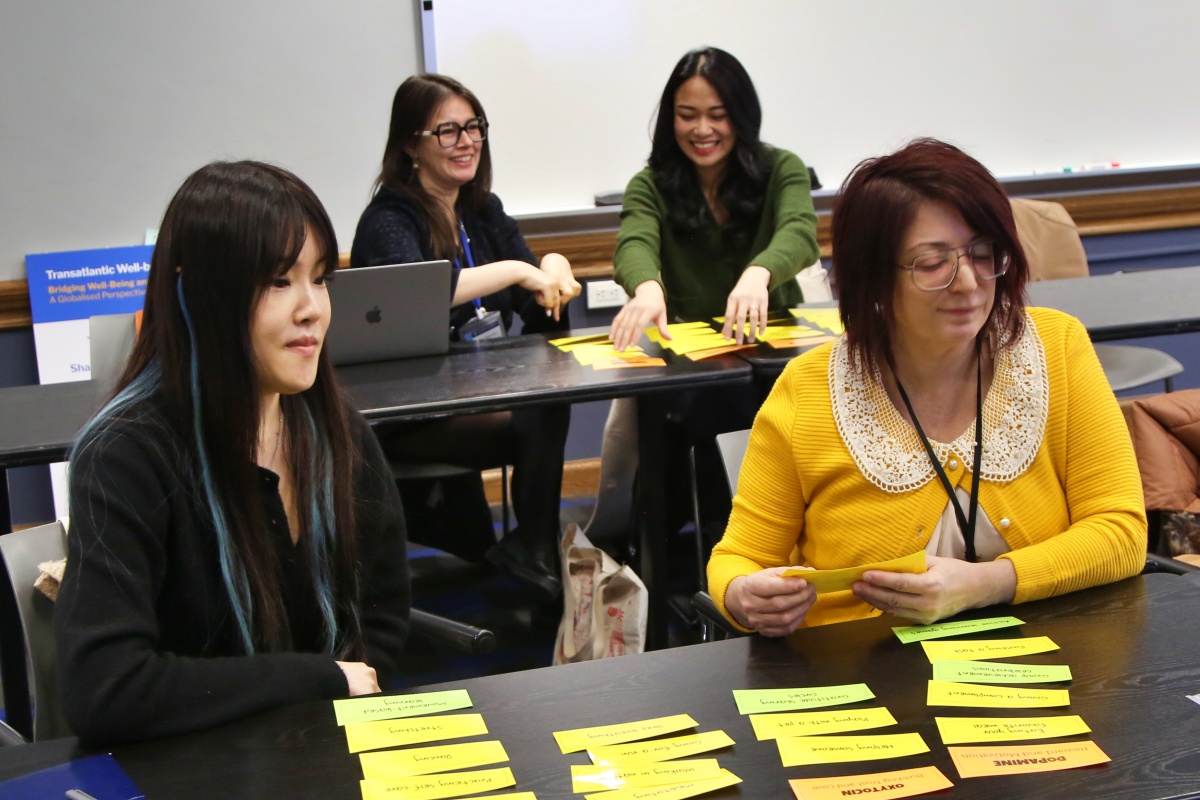
(Photo: Bruce Gilbert)
(Photo: Bruce Gilbert)
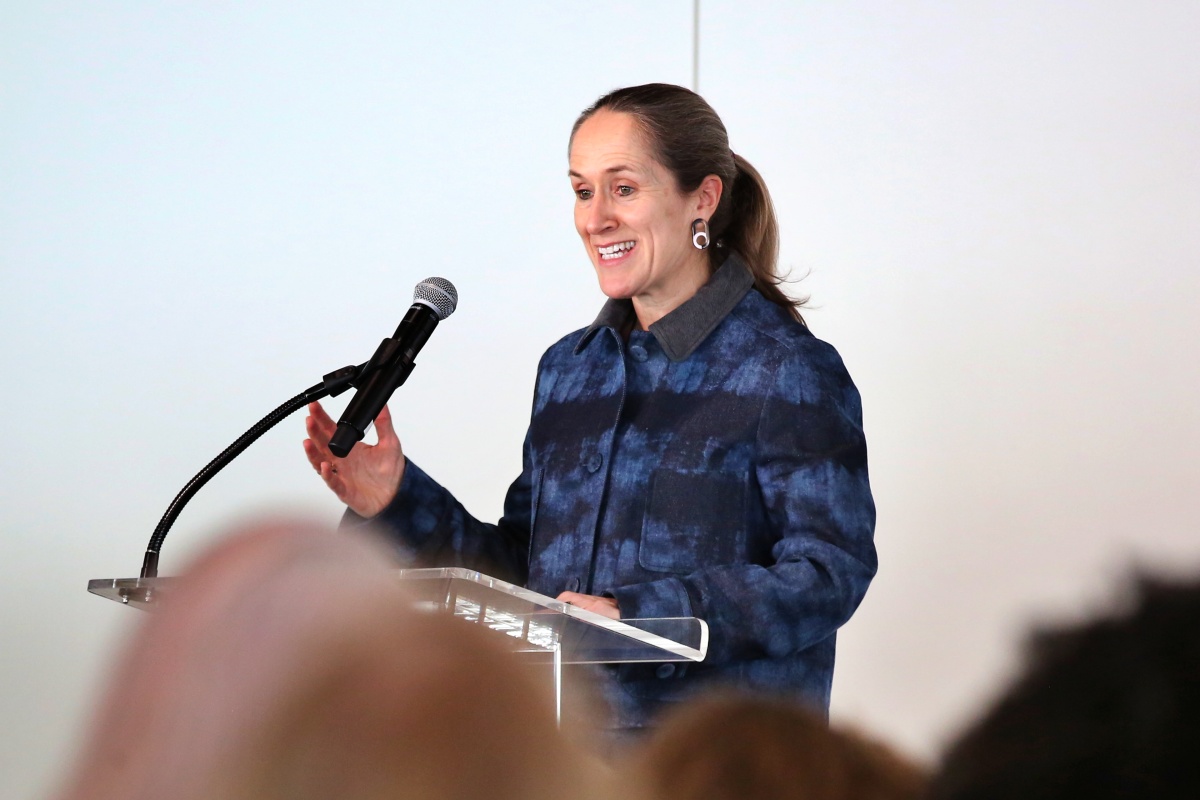
EUniWell’s Chief Development Officer Beatirx Busse. (Photo: Bruce Gilbert)
(Photo: Bruce Gilbert)
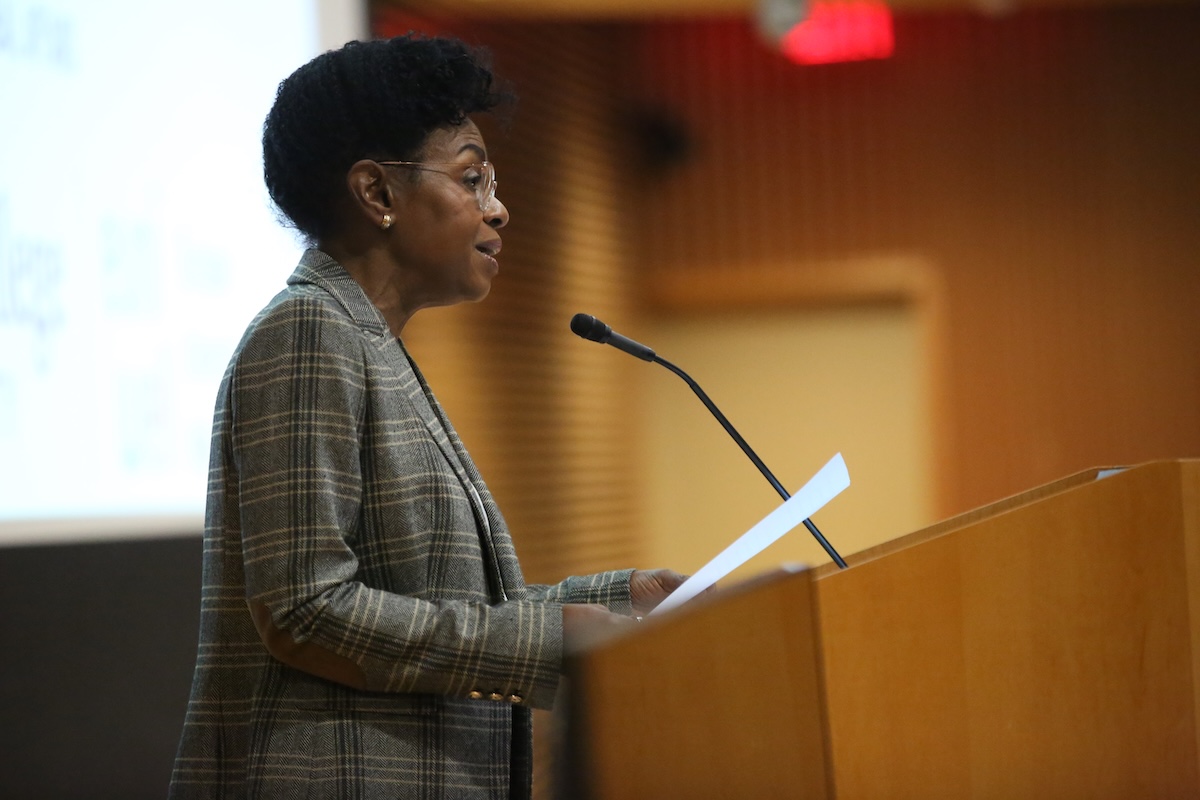
Portia Williams, TC’s Vice Provost for Academic Planning and Global Affairs. (Photo: Bruce Gilbert)
(Photo: Bruce Gilbert)
Amine Mechaal, TC’s Executive Director of Global Engagement. (Photo: Bruce Gilbert)
(Photo: Bruce Gilbert)
(Photo: Bruce Gilbert)
(Photo: Bruce Gilbert)
(Photo: Bruce Gilbert)
(Photo: Bruce Gilbert)
“We cannot speak about access, equity or excellence in education without also speaking about how we value, support and sustain the teaching profession itself. Teacher well-being is not peripheral to educational reform. It is central to it,” said President Bailey in remarks scheduled for the conference’s planned kick-off, which was cancelled due to a historic winter storm. “The presence of EUniWell, UNITAR, and our many international collaborators is a testament to the fact that the future of education is a global responsibility. So we will face this challenge together. We will work together. And we will move forward together, committed to strengthening the profession and ensuring that every learner has access to a well-prepared, well-supported teacher.”
To advance creative solutions that strengthen the well-being of teachers across the globe, scholars engaged in science diplomacy, which EUniWell’s Chief Development Officer Beatirx Busse, Professor of English Linguistics, described as collaboration that reflects the “democratic values of science, the freedom of research and education, [fact-based information], listening to different voices, respecting them, engaging with various stakeholders and being able to ask good questions.”
“We choose to cooperate based on our values, and take on the responsibility to develop models of a good life,” said Busse, who also serves as the University of Cologne’s Vice-Rector for Teaching and Studies. “I look forward to creating resolutions, research projects, friendships, and most importantly, the new community of people in alignment with what is so dear to EUniWell and our partnership with Teachers College, Columbia University.”
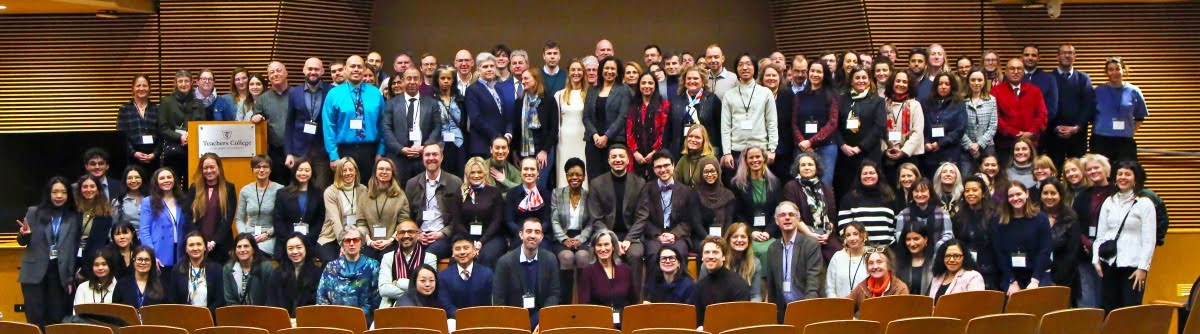
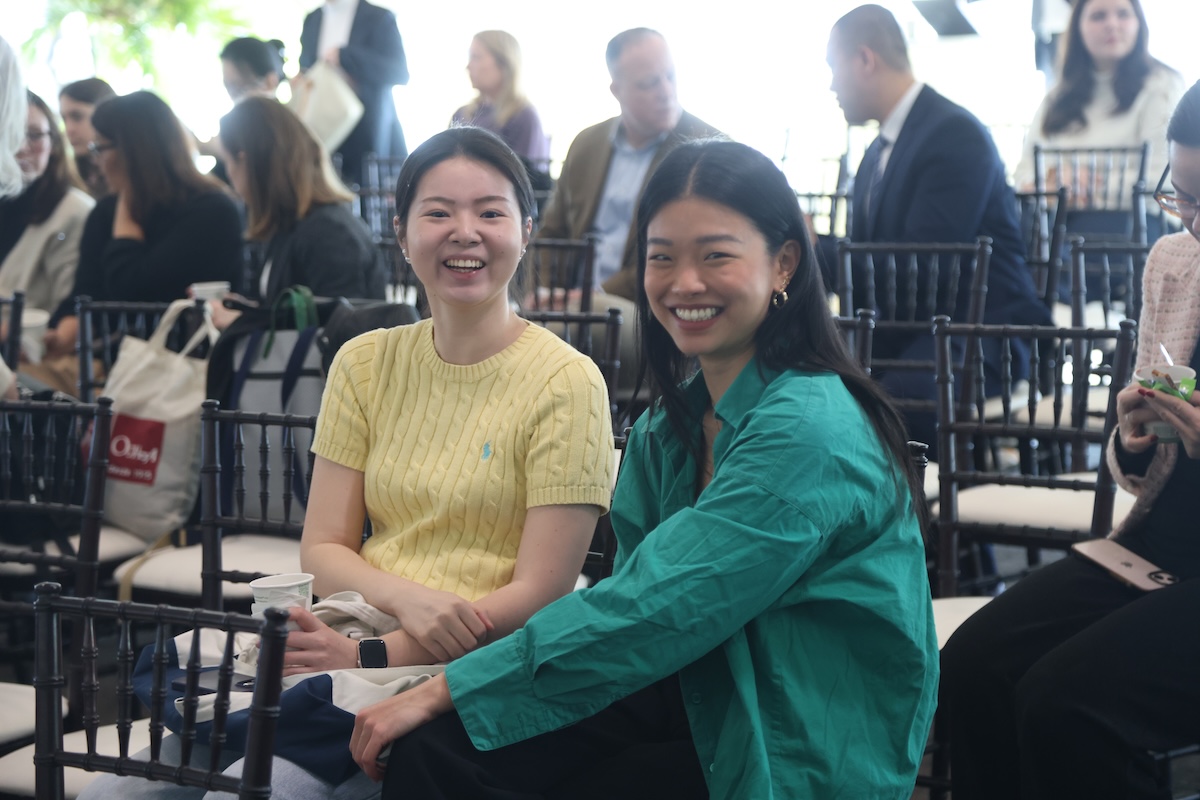
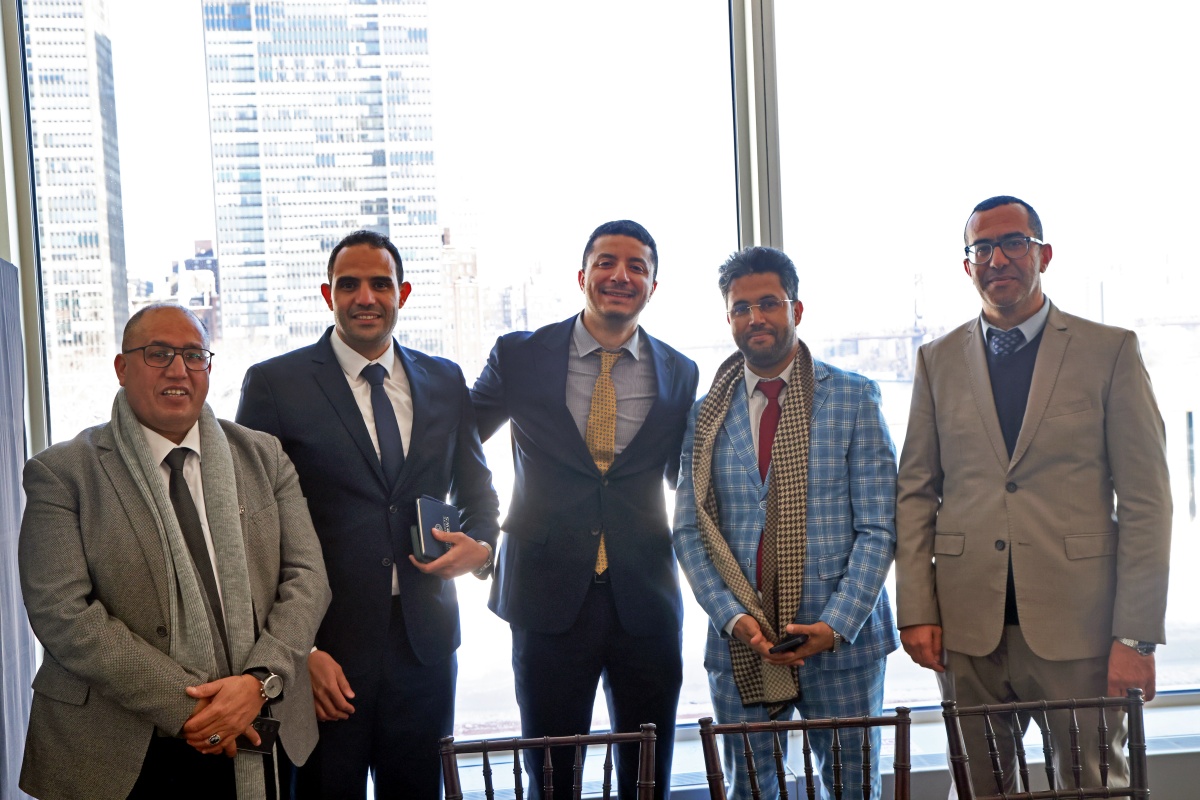
EUniWell participants at Teachers College. (Photo: Bruce Gilbert)
That international collaboration is essential to addressing the global nature of the teacher shortage. TC’s Portia Williams, Vice Provost for Academic Planning and Global Affairs, explained that “while contexts differ, systems are experienced through people and the structural pressures facing educators are strikingly consistent across borders. Such collaboration allows us to surface patterns, challenge assumptions and imagine alternatives together.”
In exploring multi-faceted solutions across teacher preparation and working conditions, scholars aimed to crystallize actionable, evidence-based recommendations that could “build the research architecture to actually sustain teacher well-being,” said Amine Mechaal, TC’s Executive Director of Global Engagement. “Teachers are one of our greatest resources, and finding ways to strengthen their well-being and that of their students captures the heart of sustainable development.”
Mental health, social prosperity, teacher preparation and more were discussed throughout two days of more than 150 presentations during the second and third days of the conference, held at Teachers College. Learn more about some of the TC presentations below.
Supporting Teacher Well-Being
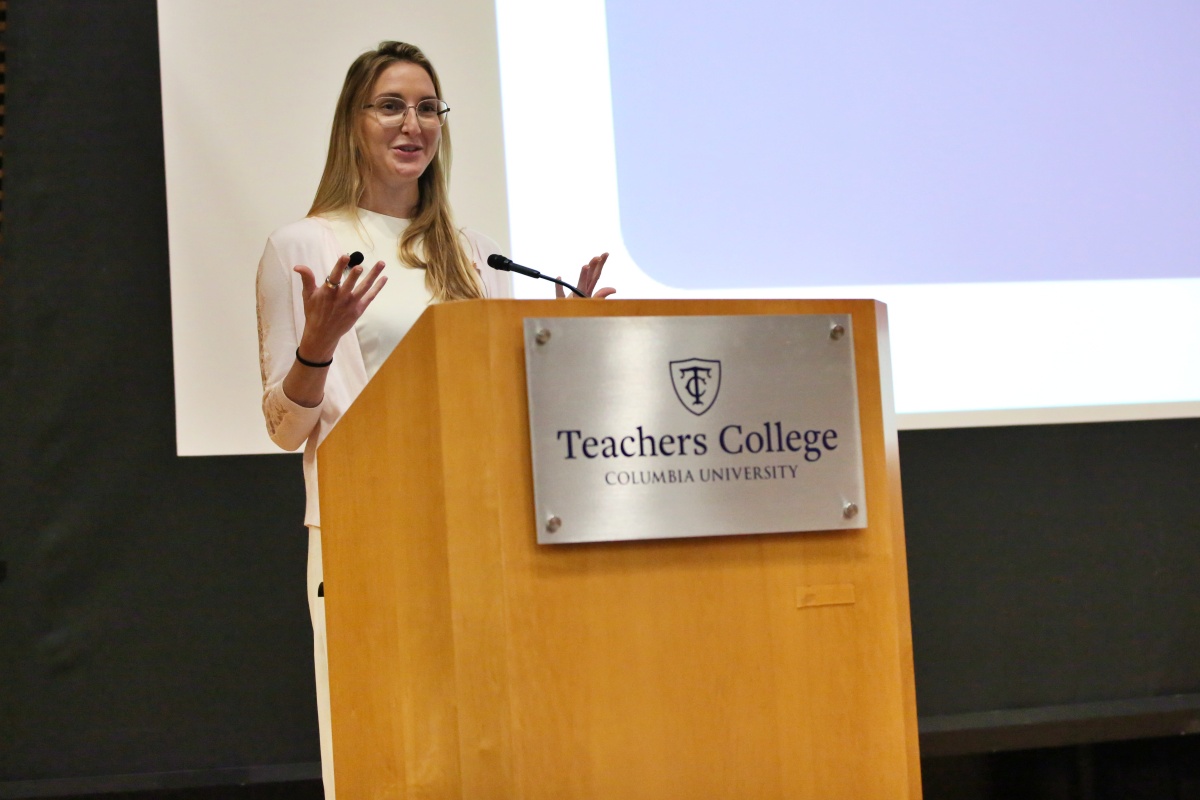

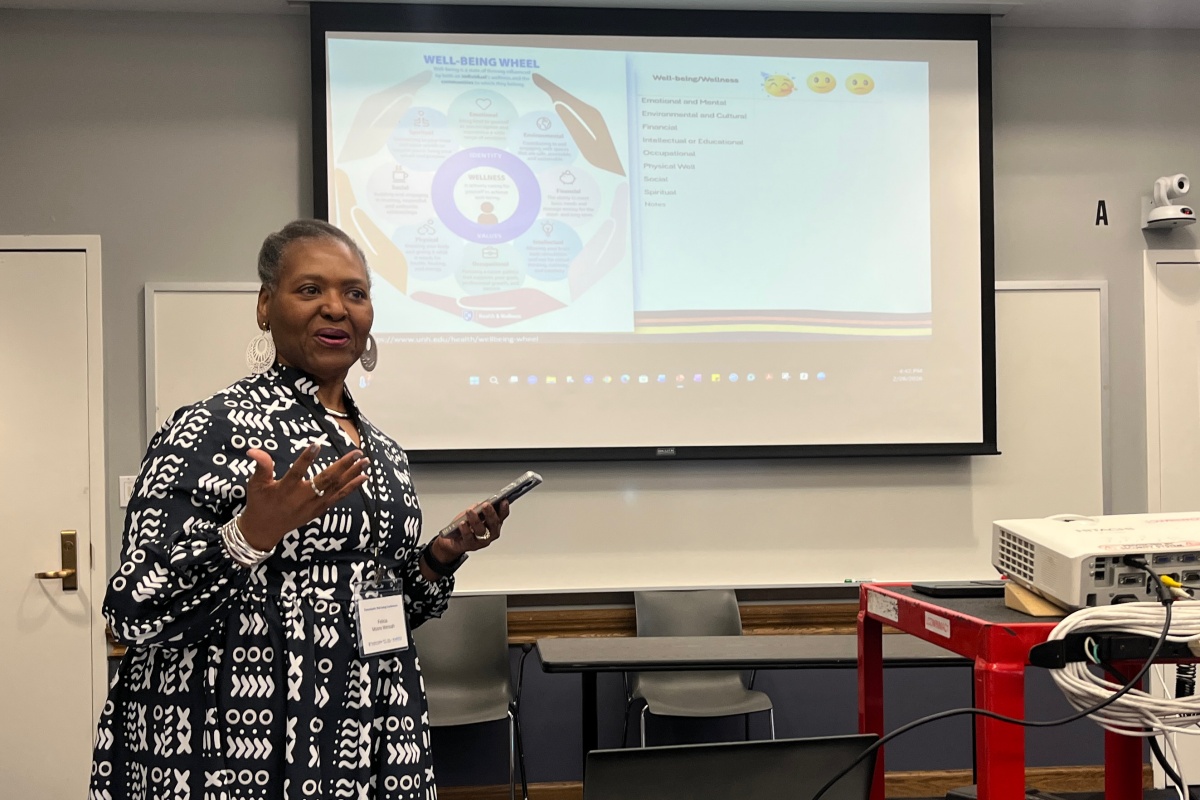
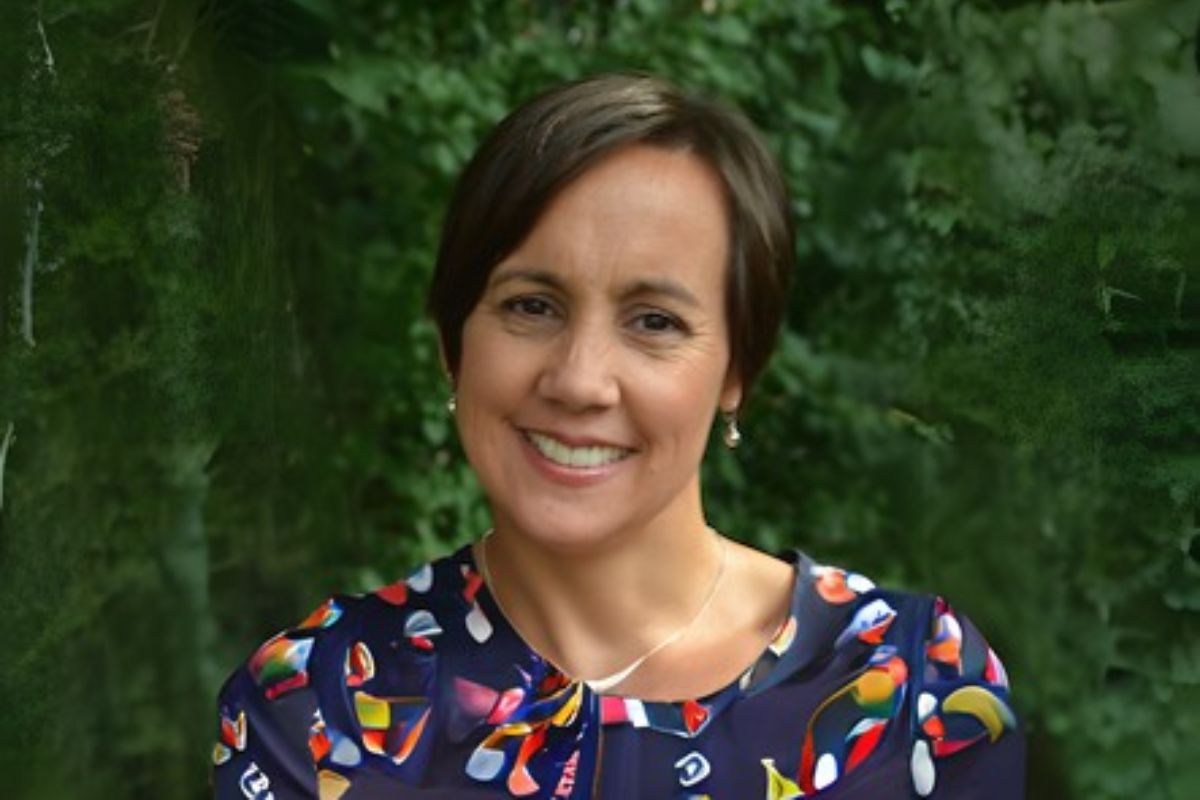
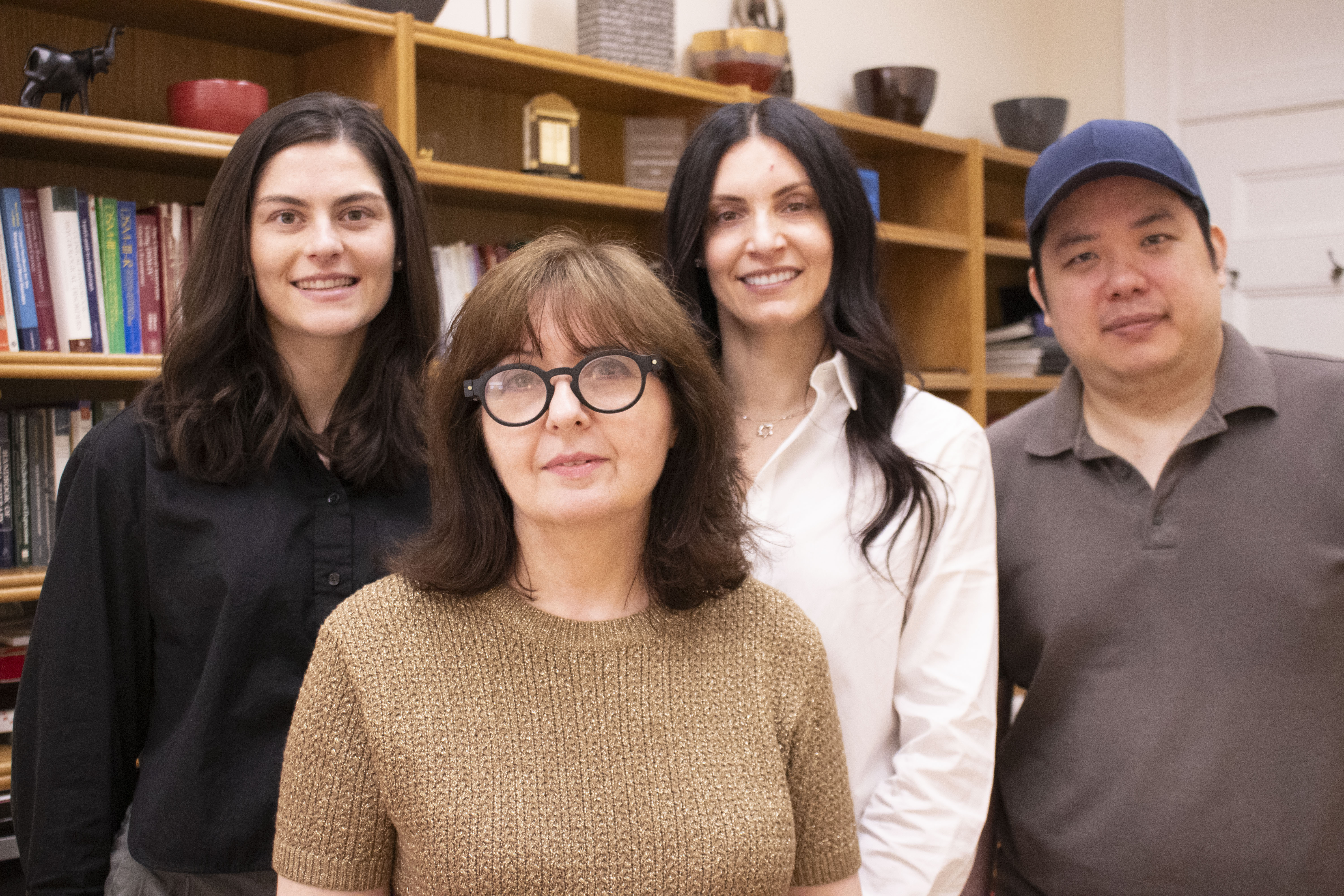
In her keynote lecture, Rebecca Baelen — Executive Director of the Center for Reaching and Teaching the Whole Child, and an adjunct faculty member at Teachers College — highlighted the correlation between teacher and student well-being, and emphasized the cultural and social variables that influence how an individual may define well-being. (Photo: Bruce Gilbert)
Music Education - While exploring the unique challenges that music educators face in the classroom, research by TC’s Giulia Ripani, Assistant Professor of Music and Music Education, and her colleague Raluca Matei suggested that organizations may “reimagine structures, policies, and cultures to better support teacher mental health.” This study was conducted by Ripani and Matei during their postdoctoral research fellowship and funded by Johns Hopkins University.
Science Education - While periods of anti-science sentiment have occurred throughout history, recent sociopolitical events have created additional challenges for science educators, outlined TC’s Felicia Mensah, Professor of Science and Education, during her presentation. For Mensah, science educators play an important role in cultivating wellness throughout communities to overcome barriers related to the field’s fraught racial history and other sociocultural challenges. “We have always had anti-scientific movements around the world that have harmed individual, collective, and community wellbeing,” said Mensah. “So, as educators, all of us must learn from past anti-science historical moments for the present day so that we take care of our communities and promote science for all of us.”
Teacher Well-Being in Crisis Settings - Gaining a deeper understanding of teachers’ needs in humanitarian settings — where people are grappling with multiple crises — is a core focus for researchers like TC’s Mary Mendenhall, Associate Professor of International and Comparative Education and Director of the George Clement Bond Center for African Education. Her presentation offered key insights into a study that examined the roles, resources, and relationships influencing well-being for teachers and learners in South Sudan and Uganda. “We need to center teacher well-being,” said Mendenhall. “Without healthy, functioning teachers, kids will struggle to access services.” The multi-year study was conducted with the support of several TC master's and doctoral students and is featured in Mendenhall’s award-winning book Education and Resilience in Crisis: Challenges and Opportunities in Sub-Saharan Africa.
Mental Health and Peacebuilding - For communities recovering from war, inadequate mental health resources can be a significant barrier to creating stability post-conflict, according to research shared by Lena Verdeli, Associate Professor of Psychology and Education. Considering how barriers can be alleviated for broader communities, including teachers, Verdeli outlined a model for mental health diplomacy by exploring the implementation of interpersonal psychotherapy (IPT) — a therapeutic intervention that focuses on the interpersonal triggers of depression and anxiety — in Tigray, Ethiopia, following a devastating war that displaced two million people. “It’s very hard for a traumatized person to distinguish between what is safe and what is not safe; everything feels like a threat. This prevents people from investing in their future,” said Verdeli. “Treating mental health is [key] for the wellbeing of people and communities, but also for long-term peace-building.”
Improving Teacher Preparation
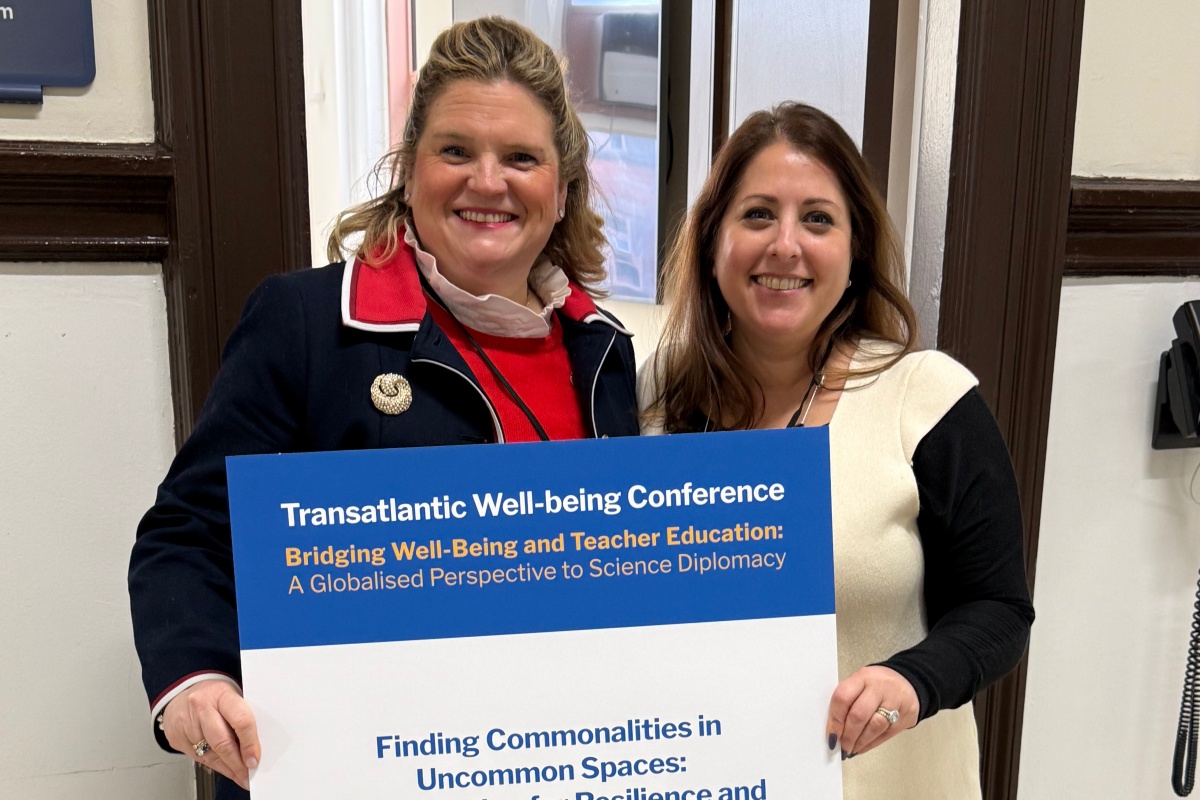
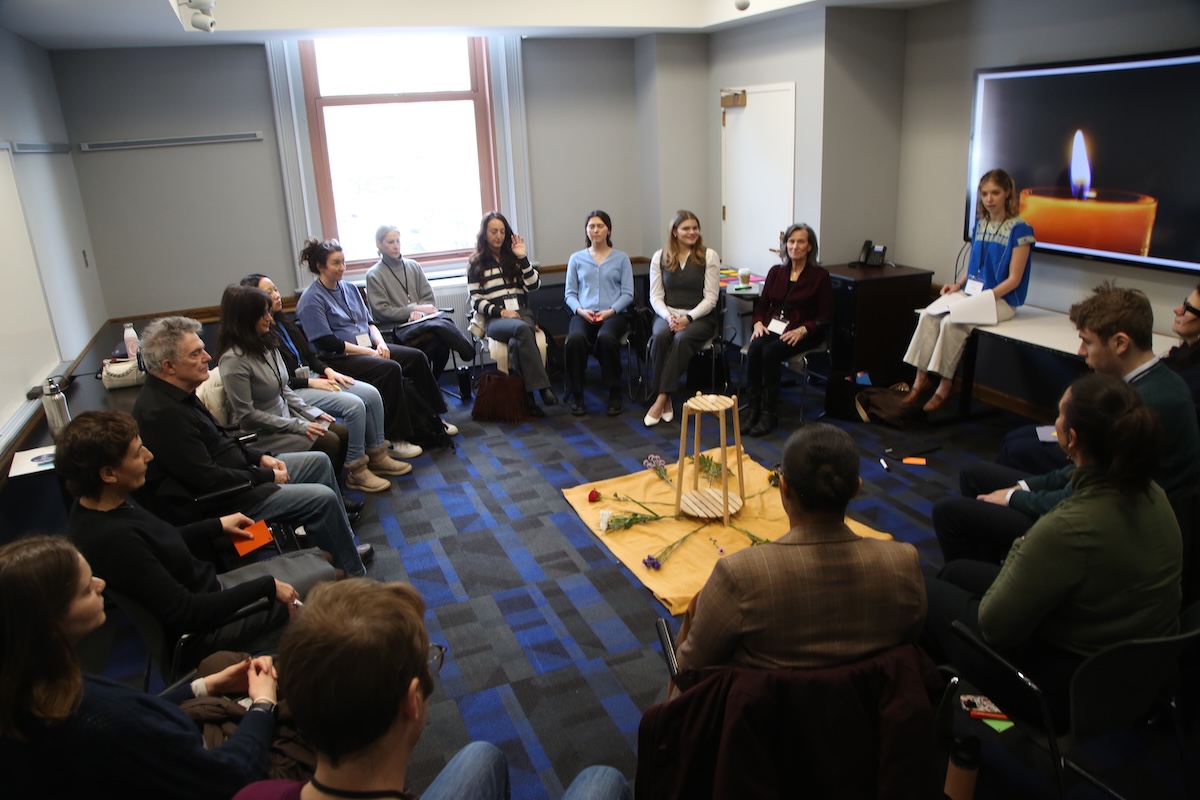
Collaborative Teacher Education - Science educators and special educators are often siloed in their schools, leading to a lack of support and higher rates of attrition, so Amanda Mazin (Ph.D. ’11) and Jessica Riccio (Ed.D. ’08), both Associate Professors of Teaching, developed an interdisciplinary course for preservice teachers to more effectively prepare them for the challenges they will face in the profession. “We wanted to model interdisciplinary collaboration so students could build a larger professional learning community,” explained Riccio, who collaborated with Mazin on three different presentations during the conference. “We need to have the best teachers in these settings.”
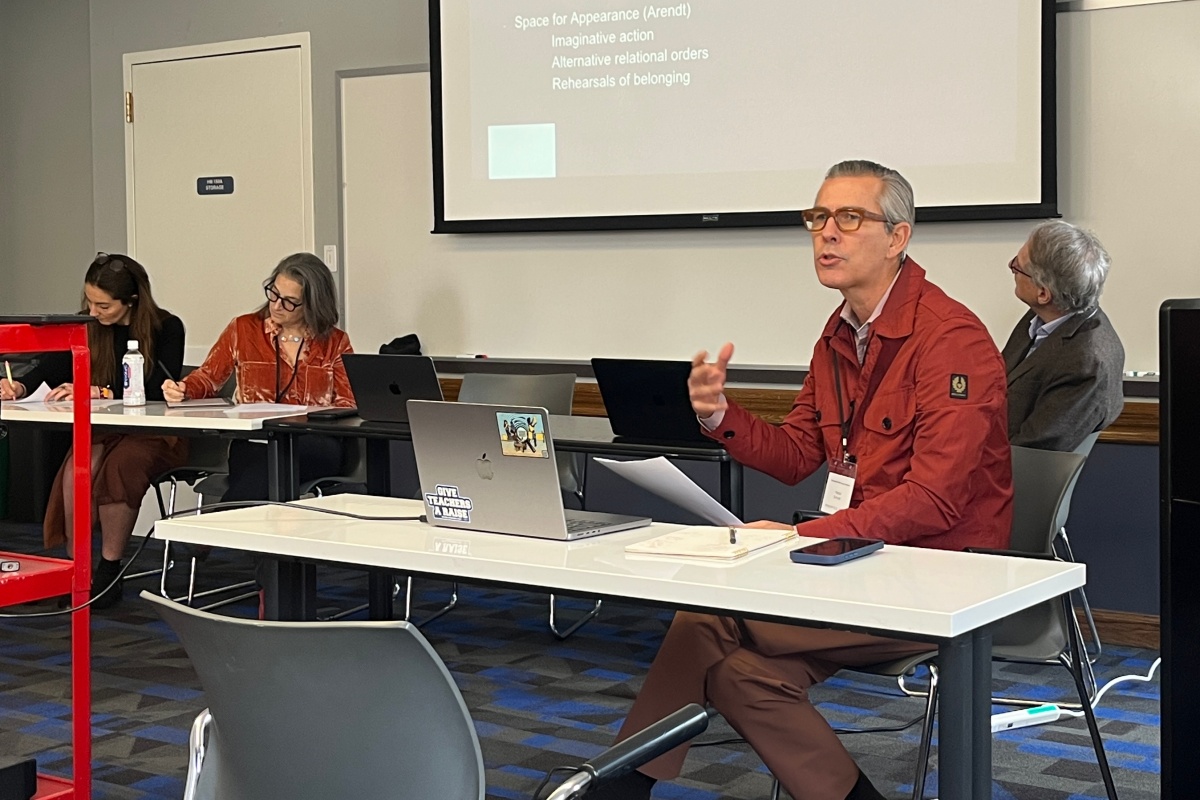
Tools for Difficult Conversations - In “History Education and Social Cohesion in Polarized Societies,” experts discussed the tools and school climates required for teachers to help students navigate challenging topics. Patrick Schmidt, Professor of Music and Music Education, outlined the potential for music and performance analysis to serve as “potential rehearsal spaces for democratic health,” citing Bad Bunny’s recent Super Bowl performance as art that creates a “bounded risk environment” and allows students to develop the capacity for disagreement. Teachers can also engage students in ] classroom conversations on difficult topics by grounding instruction in rich historical context, welcoming multiple perspectives and empathetic listening, while fostering a nurturing classroom community, shared Beth Rubin, Professor of Social Studies Education, and doctoral student Kathryn Picardo, in their presentation about how some social studies educators navigated classroom discussions of the recent war in Gaza.
Building Classroom Communities - Forming strong teacher/student relationships is a foundational component of academic success; however, in a time of increased loneliness and isolation, creating those connections has become challenging. Seeking solutions, TC master’s student Sophie Raimondo moderated a discussion between experts Dan Tomasulo, Assistant Professor of Teaching; Laura Azzarito, Professor of Physical Culture and Education; and Dorit Keret, Visiting Scholar at the Center for Sustainable Futures, who shared their views on the importance of connection, community-based classrooms, and challenges to implementation. “When we start caring about our community, we invest ourselves [and] transform our community,” said Azzarito. “I believe this is important for all of us as educators, but I think it's very key for young people.”