
Dreams of the next promotion, crushing your goals for the next fiscal year or reaching the C-suite lie beyond one central obstacle, and it might not be what you think.
Effective conflict resolution is one of the most elusive and challenging skills for even the highest performing professionals to master. But now, the new Conflict Intelligence (CIQ) Lab’s executive education program offers “a practical, research-backed system designed for executives who need to perform under pressure, bridge divides, and drive results through the energy that conflict brings.”
“The longer a conflict continues, the more it shapes our experiences, our expectations, our relationships and our environments,” explains TC’s resident conflict resolution expert Peter T. Coleman, Professor of Psychology and Education. “But it’s also true that when conflicts are worked through, when people can eventually hear each other, take some responsibility for themselves and hear the other do the same, they provide a tremendous opportunity. And in the workplace, effectively resolved conflicts are critical because they lead to innovation, new insights, enhanced relations, and new ideas. So although conflict gets a bad rep, it can be extremely useful and productive.”
“We see [conflict intelligence] as a competency you can develop. It’s not a trait, it’s a skill.”
Carousel


Peter T. Coleman (Ph.D. ’98), Professor of Psychology and Education, is the author of The Way Out: How to Overcome Toxic Polarization, and Director of the Morton Deutsch International Center for Cooperation and Conflict Resolution. (Photo: TC Archives)
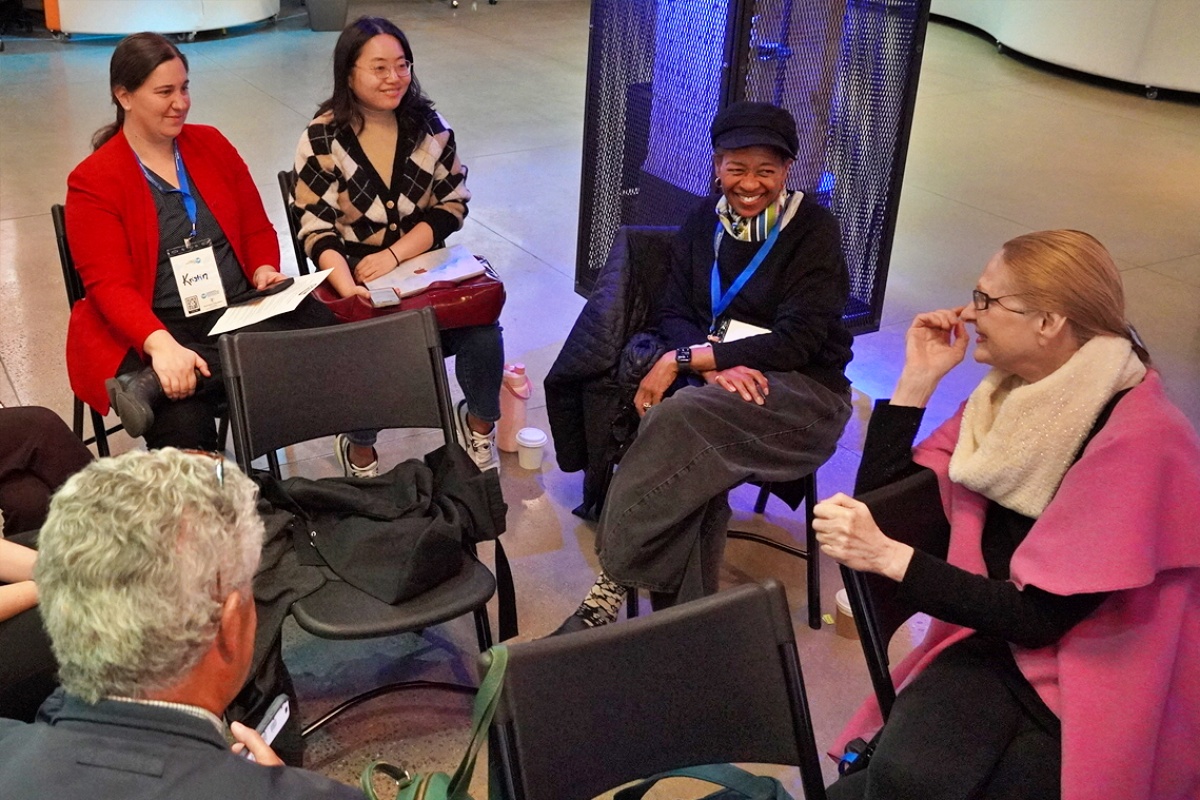
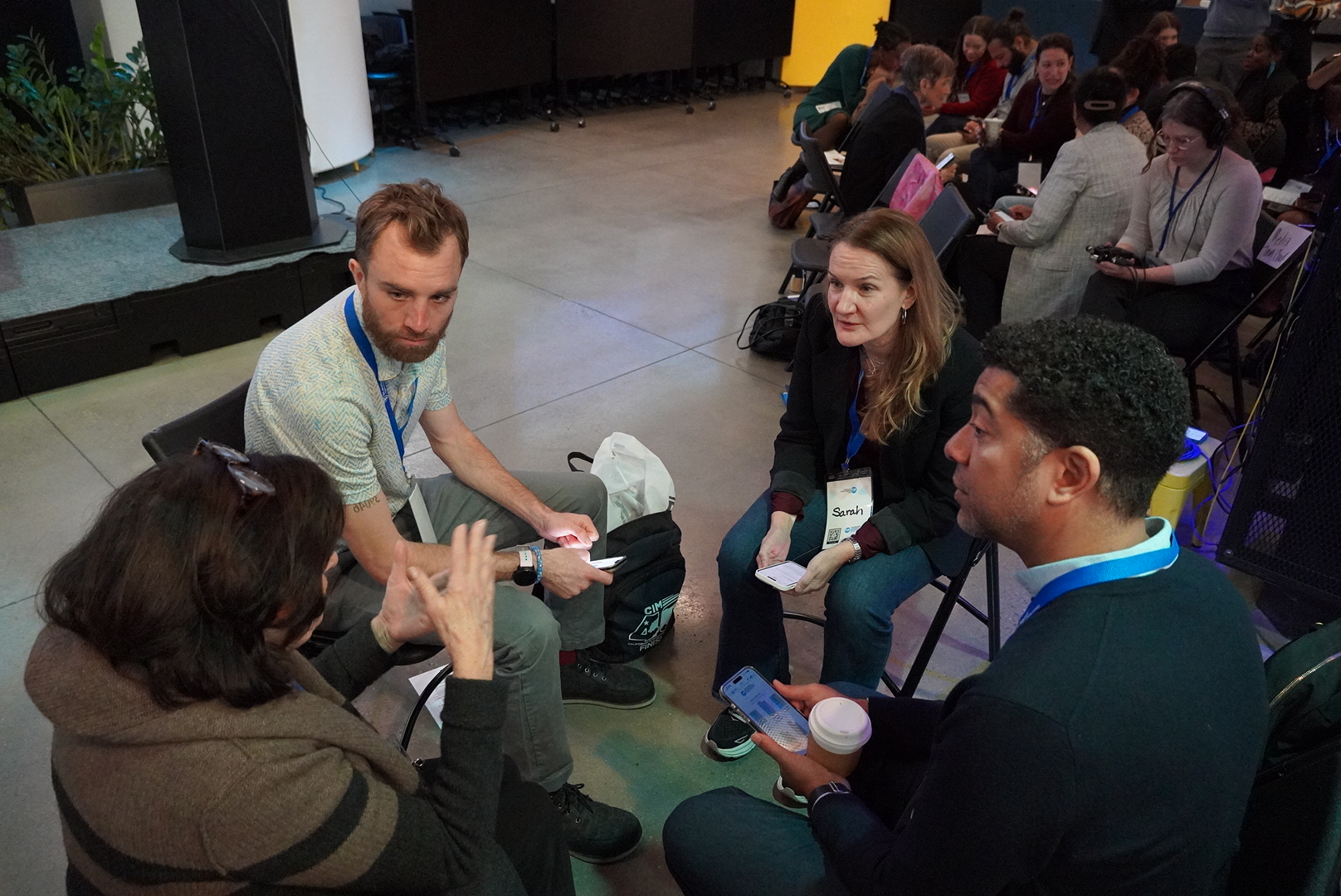
Guests discussed their Conflict Intelligence quiz results with one another and bonded over shared challenges at the Conflict Intelligence Lab launch. (Photo: TC Archives)
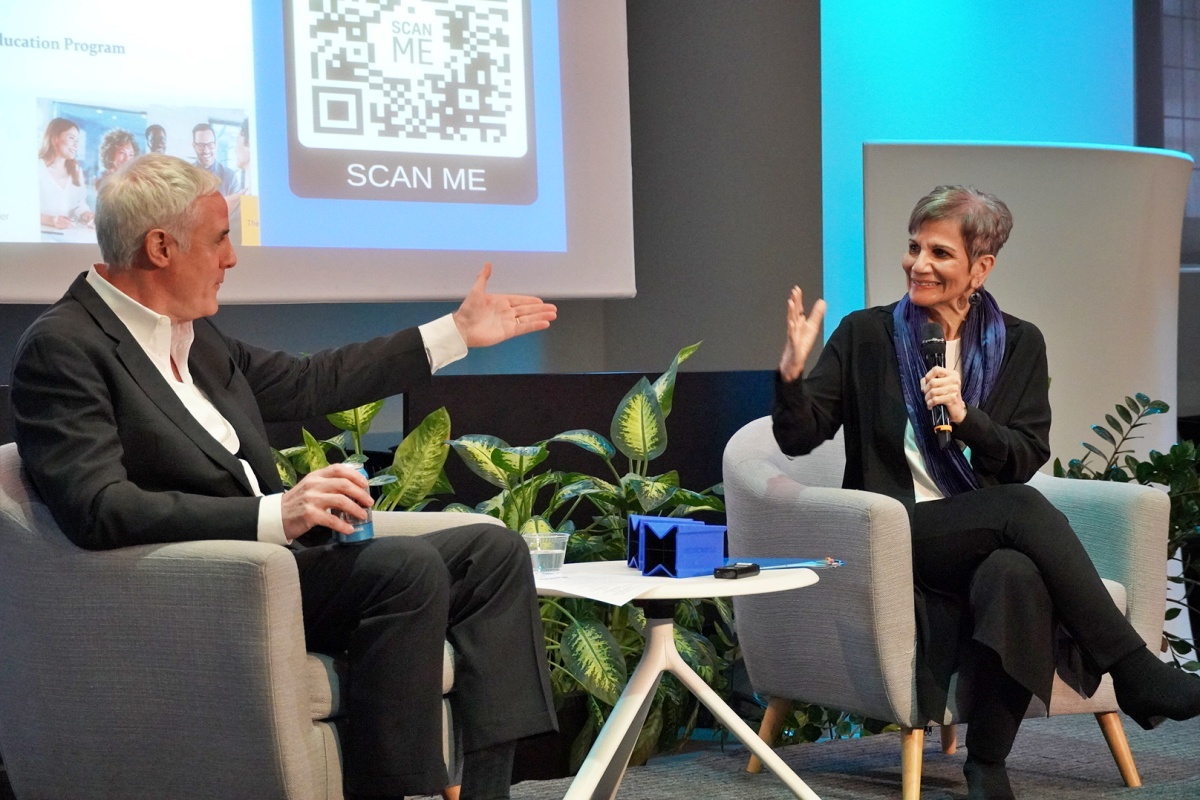
Coleman discusses his conflict resolution research with Debra Noumair, Professor of Psychology and Education. (Photo: TC Archives)
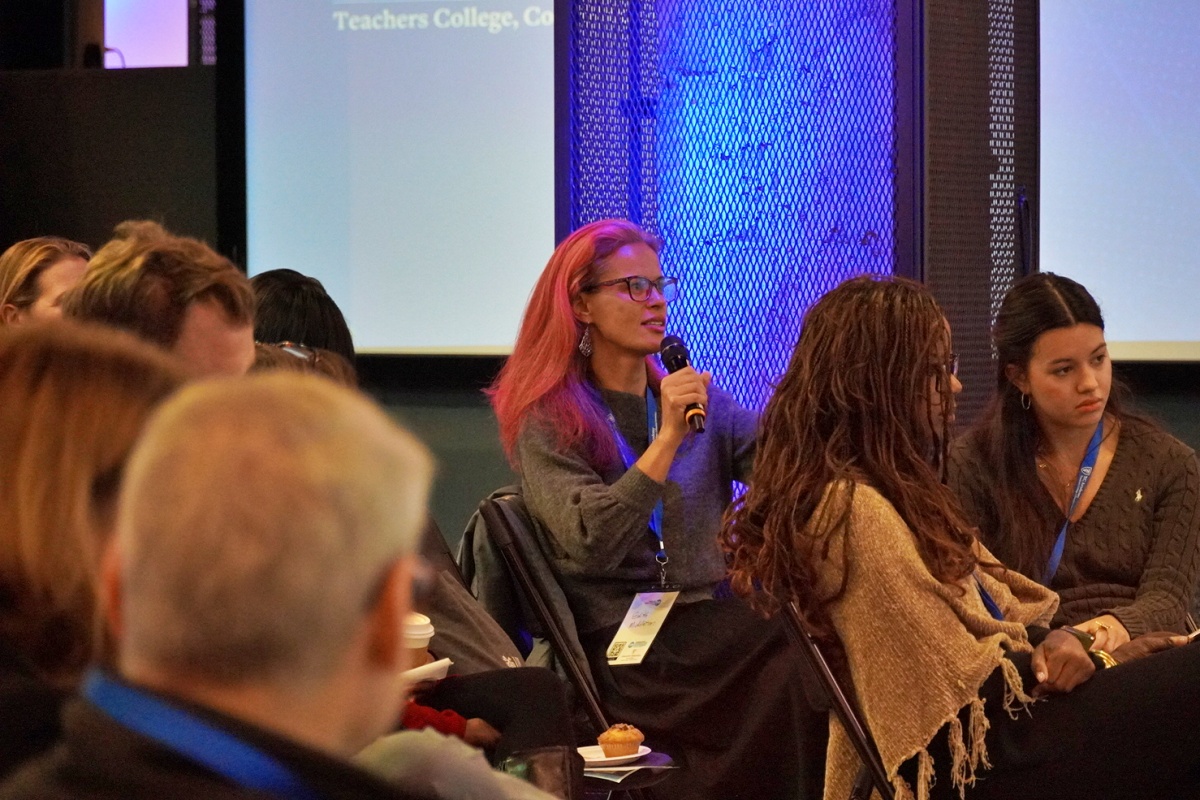
Guests shared questions for Coleman, who will lead the Conflict Intelligence (CIQ) Lab’s executive education program next summer. (Photo: TC Archives)
Professionals can hone their conflict resolution skills through evidence-based learnings, Coleman explains. (Photo: TC Archives)
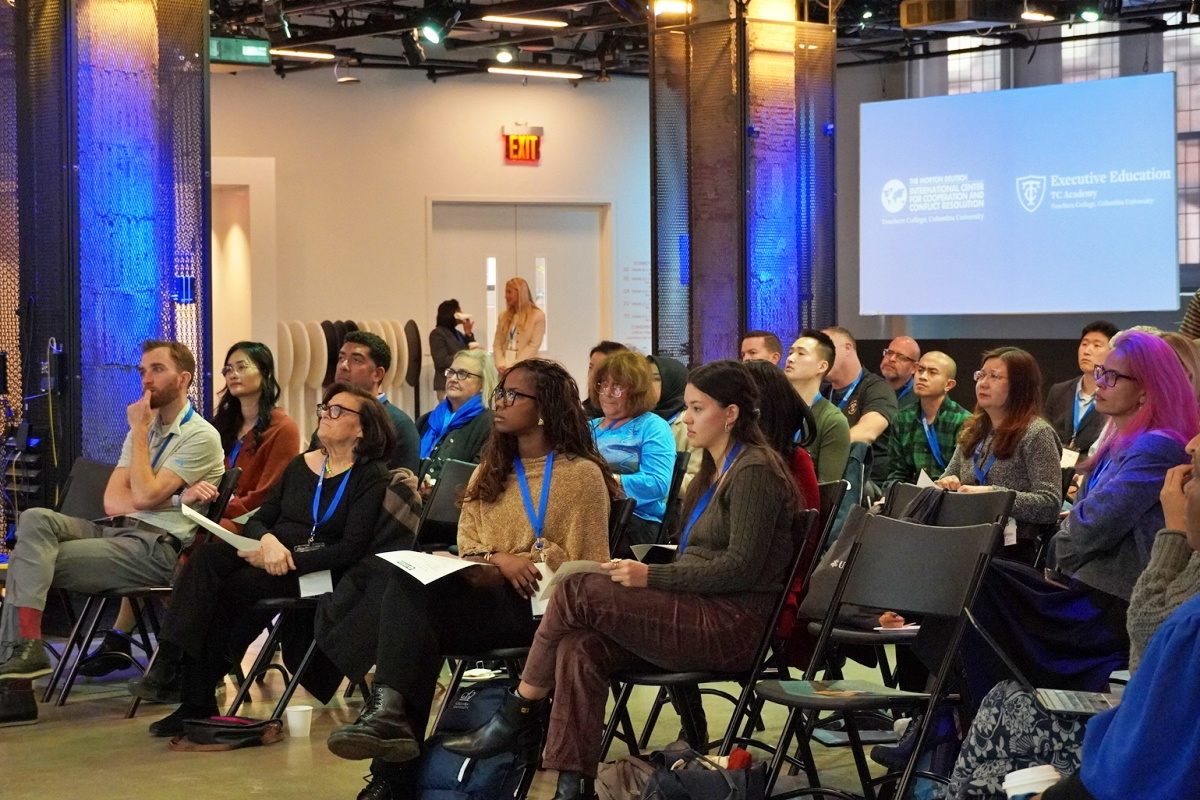
Guests gathered in the College's Smith Learning Theater for the Conflict Intelligence Lab launch, an interactive session with Peter Coleman. (Photo: TC Archive)
Professionals will gain core competency in the nuances of effective conflict resolution during the online, asynchronous course next summer. (Photo: TC Archives)
Professionals across industries will join Coleman next summer in a transformative professional development program designed to help current and future leaders break toxic cycles, lead more strategically and effectively, and immediately apply research-driven frameworks to solve problems at work and promote pro-conflict environments.
“We see CIQ as a competency you can develop with practice. It’s not a trait, it’s a skill,” says Coleman, who emphasizes that conflict-intelligent leaders learn how to apply different tactics in different situations in order to leverage conflict into productive change. “Leaders are responsible for shepherding organizations and institutions going through these tumultuous times. So it does require that they understand conflict at different levels, be able to address it and manage public perception, team stability and ultimately be able to tackle more challenging societal problems that seep into the workplace.”
Now, for the first time ever, professionals can measure their strength on the five basic skills that lead to smarter engagement with conflict. Take this 60-second, exclusive quiz to see how you’re doing.