Examining the Rise of Anxiety Culture

(Photo: iStock)
Anxiety disorders affect nearly one-third of U.S. adults, with numbers steadily rising each year, according to the National Institute of Mental Health (NIH). In his latest book, “Anxiety Culture: The New Global State of Human Affairs,” TC’s John Allegrante and co-editors delve into the complex social factors contributing to this pressing issue.
From climate change and health challenges to the effects of technology and school violence, this interdisciplinary work explores what is increasingly being recognized as a new wave of "anxiety culture." The authors bring together diverse perspectives from the behavioral, social, biological sciences and humanities to shed light on this modern phenomenon.
TC’s Commitment to Service Shines on Impact Day
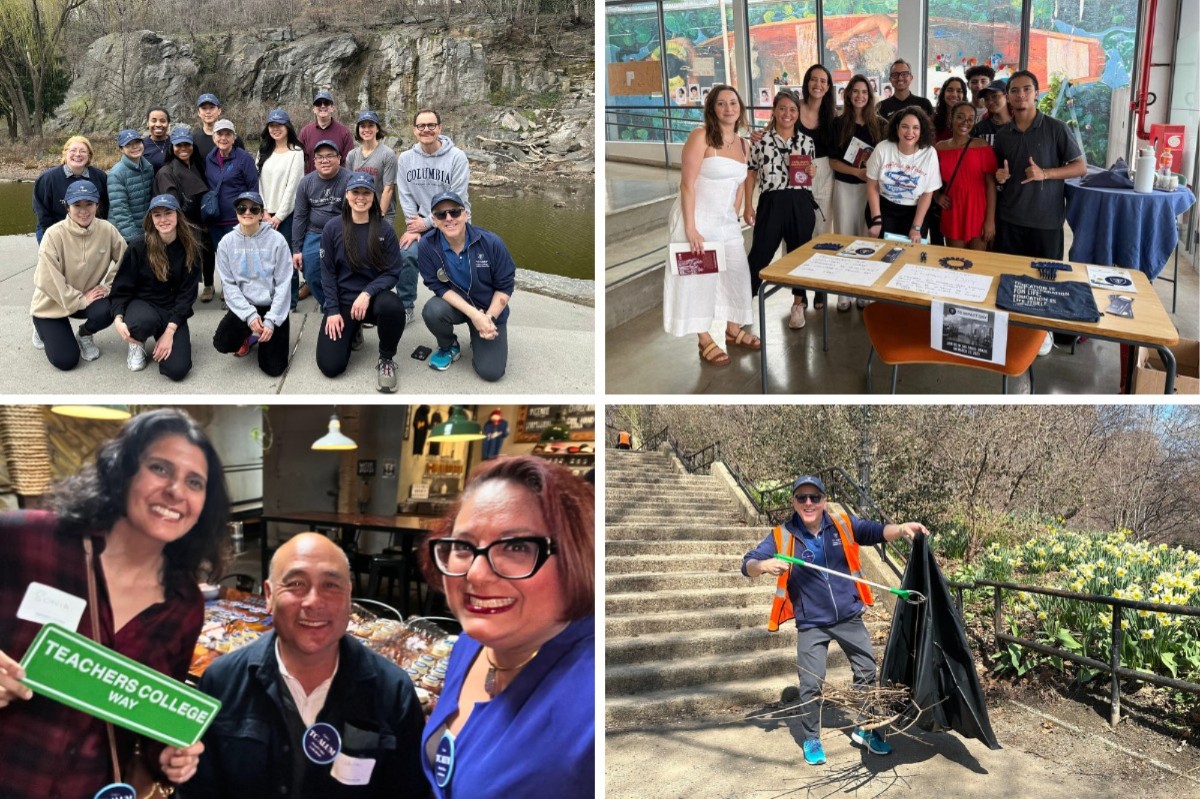
(Photos: TC Archives)
Last spring, alumni and friends across the globe answered the College’s call to action for Impact Day, an annual day of service that embodies TC’s commitment to true change. The College organized a variety of service events, including local and global events supporting food pantries, shelters, community clean-ups, fire relief, literacy readiness and more.
Together, the TC community raised $650,000 and counting across all areas of the College, including the TC Fund, TC Promise Scholars, the International and the Intergroup Understanding Friendship Fund, along with TC’s academic departments and more.
Leading the Struggle for a “Sound, Basic Education”

(Photo: iStock)
Amid major cuts to the U.S. Department of Education earlier this year, many were left wondering what’s next for America’s schools. But for experts at TC’s Center for Educational Equity, complex policy issues around how to improve educational equity, fix flawed systems and help students in need have long been their focus.
The Center’s work emphasizes the unequivocal focus on how school systems can deliver a meaningful education to all students. “There are growing questions about American democracy as a national practice, but if you look at cities and school districts, the democratic deficits — low voter turnout, poor representation, the lack of deliberation — run deeper and have for decades,” says Jonathan Collins, Executive Director of the Center for Educational Equity. Through his research and practice, Collins expressly wants to change how school board meetings work to make the relationship between policy discussions and actual policy more transparent and effective.
Welcoming Fall 2025’s New Faculty
(Photo: TC Archives)
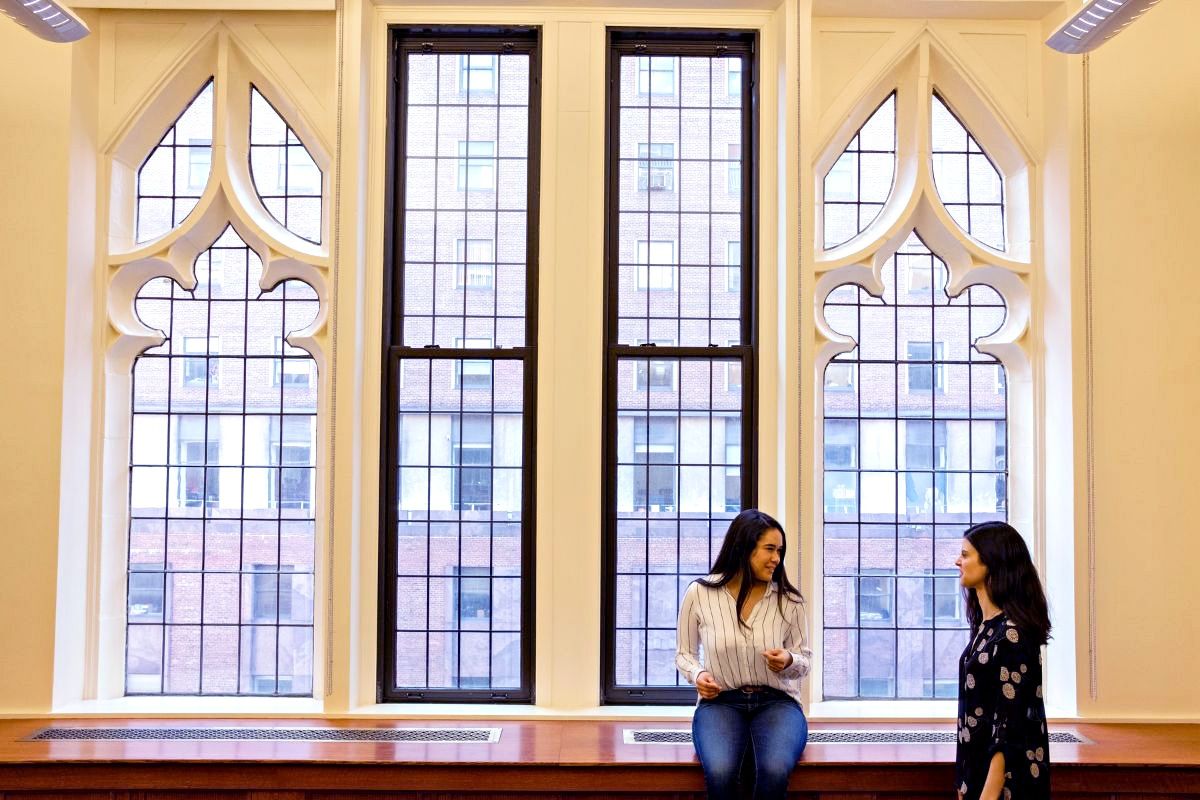
Teachers College welcomed several new faculty members this fall including Keri Brondo; Lambros Comitas Chair in Applied Anthropology and Mykelle S. Coleman, Assistant Professor of Teaching; Kimberly Kissoon, Assistant Professor of Teaching; George Nitzburg (Ph.D. ’12), Assistant Professor of Teaching; Giulia Ripani, Assistant Professor of Music & Music Education; Juliana Ronderos, Assistant Professor; Rachel Talbert, Research Assistant Professor in the Gordon Institute for Advanced Study; and Lauren Vogelstein, Assistant Professor.
TC Launches Program in Sustainability & Education
(Photo: Bruce Gilbert)
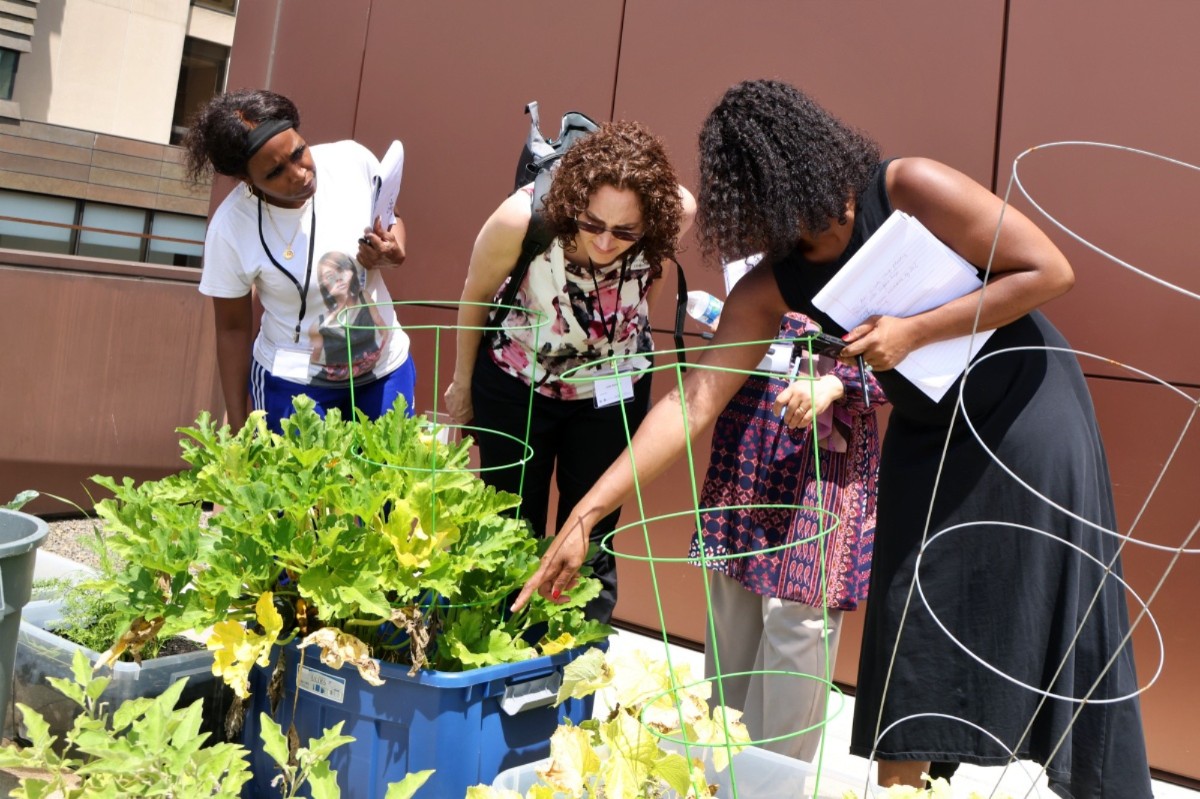
This year, the College launched its new Sustainability & Education program that will prepare graduates to create and lead transformative, environmental learning experiences across K–12 schools, nonprofits, higher education and community-based organizations. The program builds upon the College’s groundbreaking work to equip teachers in sustainability education and ready young people for the challenges ahead.
“Helping students understand the issues, and build their core capacities for advancing sustainability and climate change education, the interdisciplinary program is focused on real-world application,” explained Oren Pizmony-Levy, Director of TC’s Center for Sustainable Futures. “Our goal here is to activate students as leaders so they can leverage the knowledge they’ll gain and take action.”
Schools Are Accommodating Student Anxiety — and Making It Worse

(Photo: iStock)
In an op-ed originally published in The Boston Globe TC’s Ben Lovett, Professor of Psychology and Education, and Alex Jordan — a psychologist in private practice and at McLean Hospital, and a lecturer at Harvard Medical School, discuss the challenges of “test anxiety” and various ways that students, and parents, can work through these issues through actionable solutions.
Lovett and Jordan emphasized that “exposure rather than avoidance” can be key to thriving while anxious. “When a child begs to stay home because of a school presentation, most parents’ protective instincts kick in. But fostering children’s development often requires withstanding momentary upset while expressing confidence in their capabilities,” they explained. “The payoff is not just reduced anxiety; it’s increased competence.”
Celebrating Our Community on Alumni Day

(Photo: Nina Wurtzel Photography)
Alumni, students, faculty and friends convened on campus this fall for TC’s annual Alumni Day, celebrating the transformative power of community and the College’s Alumni Award Recipients as well as innovative faculty research. Reflecting a shared commitment to creating a better world, the vibrant celebration united the TC community for networking opportunities, engaging discussions and a celebration of the impactful work of TC’s 2025 Alumni Award recipients.
Strengthening the TC Community

(Photo: Bruce Gilbert)
During his annual marquee address in November, President Thomas Bailey outlined actions focused on strengthening research and student support, emphasizing TC values as a critical strength in moving Teachers College forward. In addition to reflecting on the College’s accomplishments of the past year, Bailey also shared updates on how Teachers College is managing changes in the American higher education landscape.
“Our scholarship is important. Our research changes lives. And the fabric of our caring and committed community is the vital underpinning that brings these strengths together,” he told members of the TC community. “I am 100% confident in our ability to meet this moment as we have done before in hard times.”
Closer Look: How SNAP Cuts Will Impact Critical Food Access

(Photo: iStock)
This year, the government shutdown left millions of Americans without SNAP benefits. The interruption in critical services followed broader cuts to SNAP and supplemental programs like WIC, with the One Big Beautiful Bill Act (OBBBA) slashing funding by almost $186 billion—the largest cut in American history—according to the Congressional Budget Office.
The cuts threatened to impact critical food and nutrition access, economic and health communities at large and even educational equity. With so much at stake, TC experts offered their insights and ways to support communities amidst the cuts.
What’s Next for New York City’s Schools?

(Photos: AP Images)
On the eve of a New York City mayoral election in which education had received relatively little attention, a virtual discussion with TC faculty members Jonathan Collins and Aaron Pallas explored issues that included de facto school segregation, mayoral control, gifted and talented programs, and curricular decision-making in the nation’s largest public school system of nearly one million students.
“Education is arguably the single biggest factor that impacts a person's quality of life, and it is connected to the issue of affordability that is top of mind for many voters and the candidates,” said TC President Thomas Bailey in “Education in the 2025 New York City Mayoral Election,” moderated by Jill Barshay, a columnist with The Hechinger Report.
New Cowin Student Success Hub Optimizes Support
(Photo: Kevin Chiu)
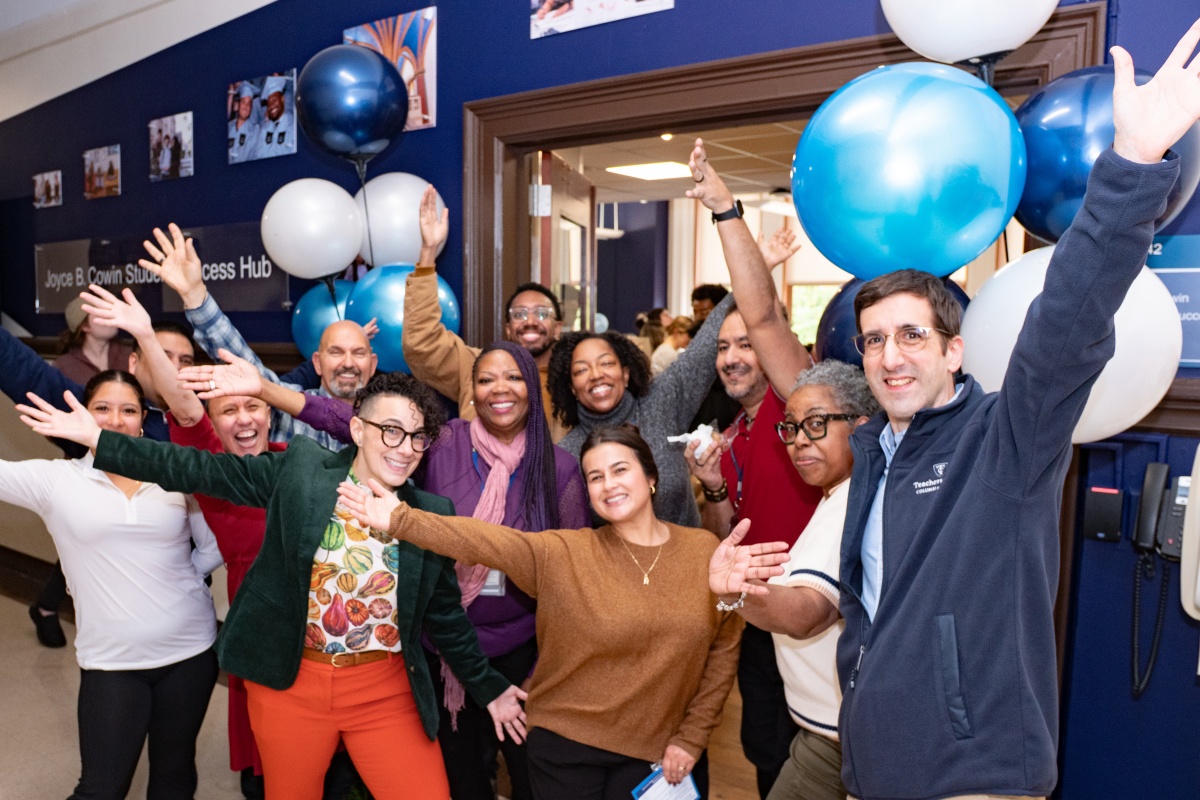
With a festive ribbon-cutting on Oct. 28, members of the Teachers College community celebrated the new Cowin Student Success Hub, which convenes resources across departments to offer centralized support and foster the best experience and educational outcomes for TC students.
The Hub, located in Horace Mann 242, is the latest initiative in the College's strategic priority to enhance student pathways from admission to graduation and beyond. This space centralizes access to enrollment, academic success, student wellness, and financial aid, while also providing a vibrant environment for collaboration, networking and study.