Newly Tenured

Matthew Henley, Associate Professor of Dance Education, is a researcher focused on describing and understanding the cognitive and social-emotional skills developed through dance education. He is especially interested in the ways that diverse communities experience their dance education. Henley also serves as an affiliated researcher at the Arnhold Institute for Dance Education Research, Policy & Leadership.
Previously, Henley was a professional dancer with Sean Curran Company and Randy James Dance Works. In 2024, he received the Outstanding Dance Education Researcher Award from the National Dance Education Organization (NDEO) as well as the NDEO Ruth Lovell Murray Book Award for his edited volume, Dance Research Methodologies: Ethics, Orientations and Practices.
Full Professorships

Paulo Blikstein, Professor of Technology, Media and Learning, develops and studies educational technologies and system-wide reform initiatives in STEM, Computer Science, and AI education. His work focuses on creating innovative hands-on, project-based learning environments in which students learn through meaningful, culturally-relevant experiences.
Blikstein directs the Transformative Learning Technologies Lab, which develops new approaches to learning, especially in the Global South and his native Brazil. He also serves as director of the Lemann Center for Brazilian Studies and the Paulo Freire Initiative at Columbia University. His recent book, The Society That Learns: Constructionism and Lifelong Learning in Thailand, chronicles three decades of one of the world’s longest-running community development education projects and explores the transformative power of emancipatory, constructionist learning.
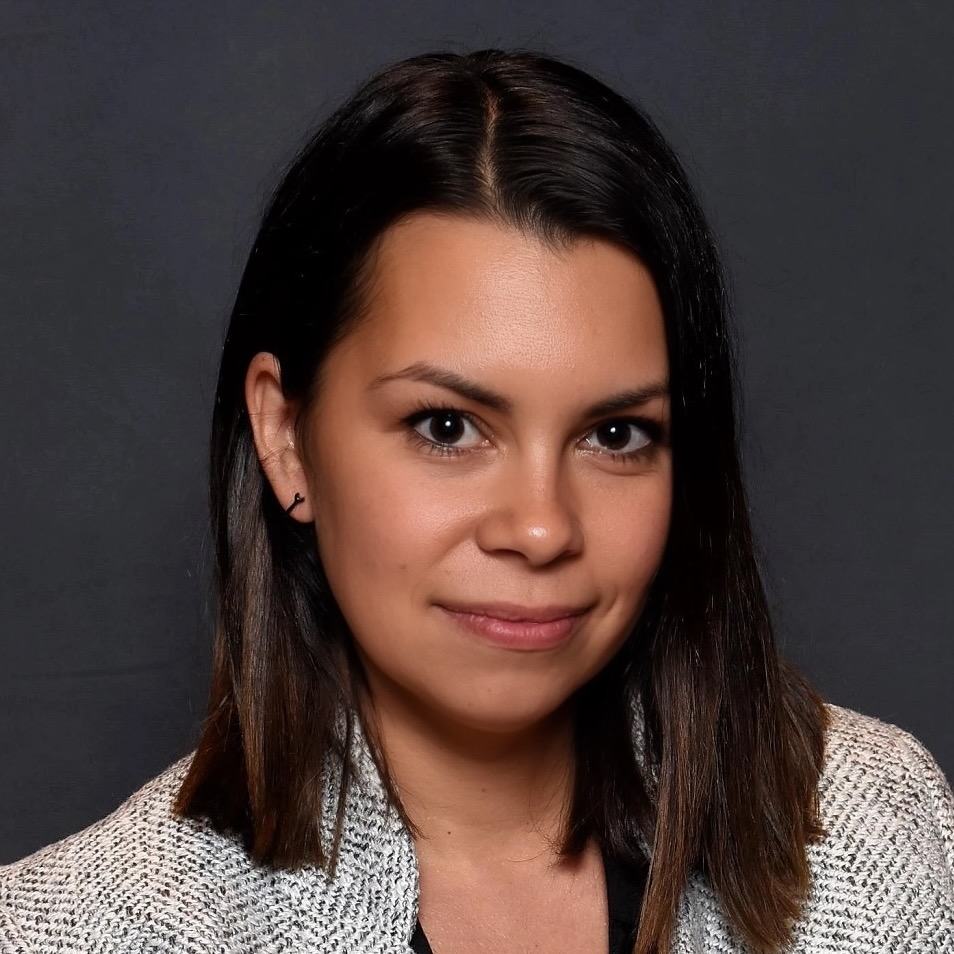
Ioana Literat, Professor of Technology, Media and Learning, is director of the Technology, Media & Learning (TML) program and co-director of the Media & Social Change Lab (MASCLab). Her research centers on youth online political expression and the ways that social media shapes young people’s participation in public life.
An expert in online expression, Literat’s work has been featured in major media outlets like The New York Times, Forbes, and The Wall Street Journal. Her 2024 book, Not Your Parents’ Politics: Understanding Young People's Political Expression on Social Media, presents more than eight years of research and provides a framework for the influence of social media platforms on political expression.
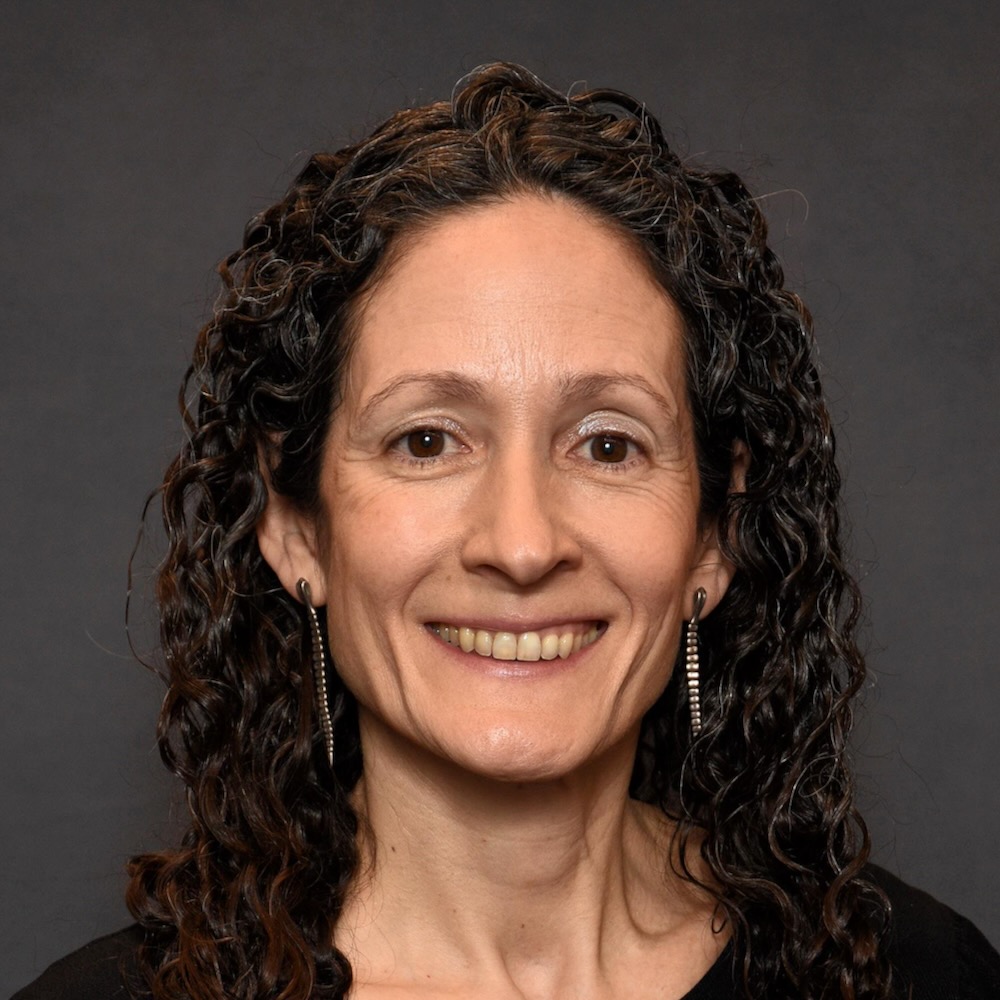
Patricia Martínez-Álvarez, Professor of Bilingual/Bicultural Education, advances inclusivity and equity in bilingual education through research at the intersection of bilingualism/biculturalism and disability. Using cultural historical lenses, her work aims at designing imaginative learning ecologies that expand educational possibilities for multilingual children with and without disabilities. She is concluding a three-year tenure as Chair of the Department of Arts & Humanities. Her books include Teacher Education for Inclusive Bilingual Contexts (2022) and Teaching Emergent Bilingual Students with Dis/Abilities (2023).
Martínez-Álvarez is co-editor-in-chief of Exceptional Children and associate editor of the Teachers College Record. She was the AERA 2025 recipient of the Innovations on Equity and Social Justice Award, which also honored her with the Division K Mid-Career Award in 2024 and the Early Career Bilingual Education Research SIG Award in 2013.
Visiting Professorships
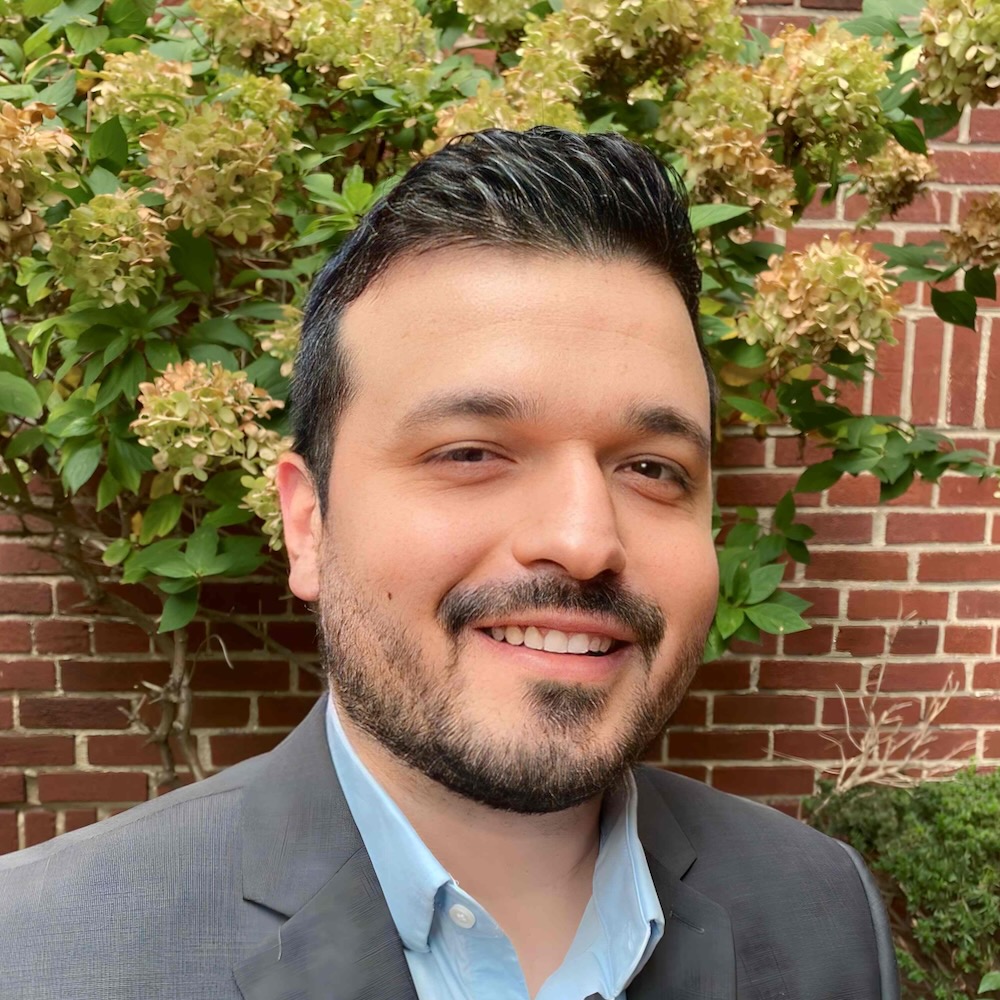
Edward Rivero, Visiting Associate Professor of Teaching in Bilingual/Bicultural Education, researches how bilingual youth’s digital literacies, play and joint activity mediate learning, relationships and sociopolitical meaning-making across everyday learning ecologies. His work examines how emerging technologies, including artificial intelligence, can both enable and constrain student learning and development.
His current research focuses on how young people and educators can engage with interactive media, such as video games, to make meaning about race, place, culture, history and society. Along these lines of inquiry, Rivero examines how youth and educators can leverage everyday technologies to co-create more joyful, liberatory and equitable learning environments and imagine more sustainable relationships with their social and ecological worlds.