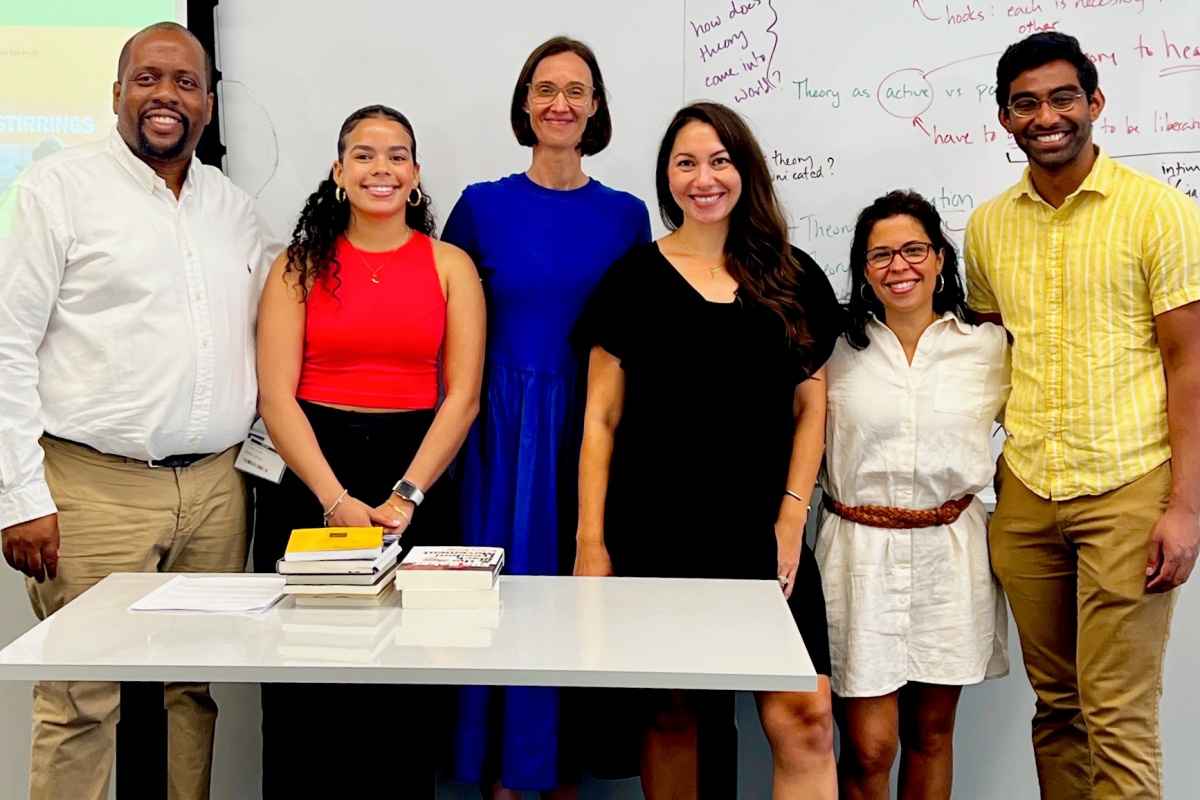
Twenty-five K-12 teachers working in NYC schools will explore the history of local struggles for educational justice as part of a professional development institute this summer. Funded by a $400,000 grant from the Spencer Foundation, TC’s Center on History and Education and nonprofit partner EduColor will welcome 50 new teachers over the next two years to their ongoing network, the Histories of Education Action & Learning (HEAL) Collaborative. Teachers receive an honorarium and CTLE credits for their participation.
Described by one former student as a “once in a lifetime experience,” the program offers educators a pathway to expand Black history curriculum with a hands-on exploration of Harlem’s “rich, varied, and enduring struggle for educational opportunities and justice” through archival materials, engagement with historical and contemporary activists and scholars, and in-depth explorations of Harlem’s urban landscape. Histories of parents’ and teachers’ collective work for better schooling in the Bronx and Brooklyn also appear in the summer institute.
“New York’s history is full of examples of mothers, children, neighbors — especially in Black and Latine communities — who engaged in collective struggle for the schooling their children deserved,” says Ansley Erickson, Associate Professor of History and Education Policy, and director of the Center on History and Education. “Historians like me can help identify and examine this history. But we should not stop there. We have to make sure these stories are present in our schools today. That is what we’re supporting through the HEAL Collaborative.”
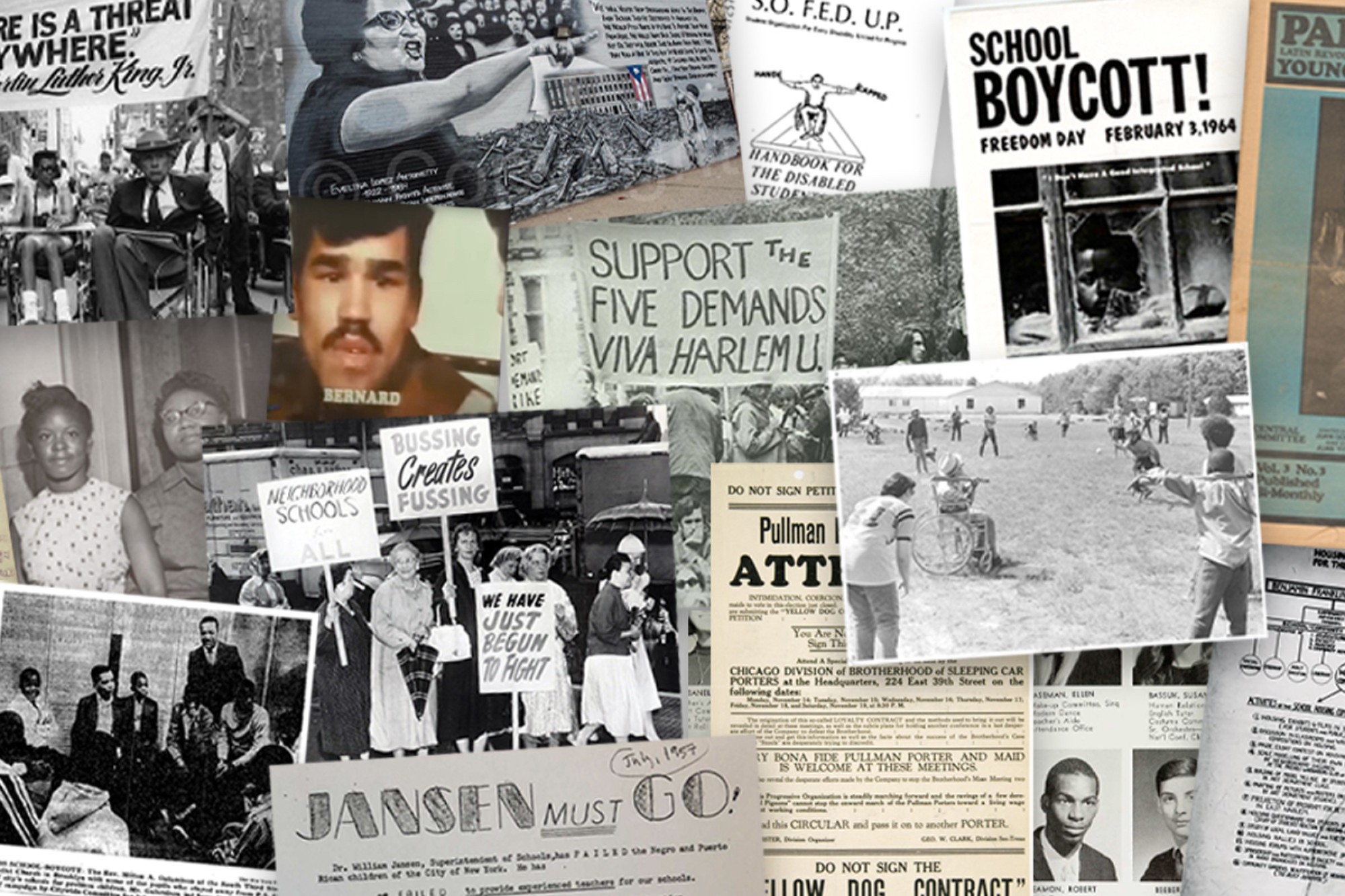
Erickson and colleagues launched the NYC Civil Rights History Project, a collection of free resources on racial and disability justice, in 2023. (Photo: NYC Civil Rights History Project)
Erickson has partnered with EduColor, led by TC alumnus José Luis Vilson (Ph.D. ’24, Sociology and Education), to continue and expand teacher professional development that Erickson has led with partners since 2020. Founded by Vilson in 2014, EduColor offers culturally responsive professional and policy development to support the recruitment and retention of educators of color.
To Vilson, HEAL’s embrace of history, cultural identity, and civics can help students in “asset-based” identity formation — a critical component to cultivating “an authentic form of citizenship.”
“Student activists, parent advocates and other community leaders have been trying to fight for a better education, and when you look at that history, you say, ‘It is possible for us to have a better education system,’” explains Vilson, who will teach educators this summer alongside other TC alumni, students, and Erickson. HEAL facilitators will lead professional development sessions that leverage enriching primary sources cultivated by the New York City Civil Rights History Project, co-produced by Erickson and launched in 2024.
The institute was a much needed reminder of why I am still in this career… The institute helped me feel re-inspired to continue working to impact the lives of young people, even though it will never be easy.
In examining New York City’s rich history of educational striving, teachers finish the HEAL program with tailored, responsive pedagogical tools. They also emerge with thoughtful questions related to the purpose of teaching as well as preparation to use stories to make history more engaging and empower students as citizens.
“[The HEAL Institute] is an incredible learning space,” says Ilona Nanay, a 10th grade global history teacher. “It does a beautiful job of merging theory with practice and rooting them in lived experiences.”
Applicants should “be prepared to reevaluate your teaching, what you consider activism and how both you and your students can apply it,” says TC alumna Amanda Marzan (M.A. ’22), a high school social studies teacher. “Be prepared to be exposed to things that you didn't know about the city, histories you thought never existed or fights against oppression that you have never learned about before.”
Teachers interested in participating in the institute in 2026 may apply here.