BERC Summer Conference
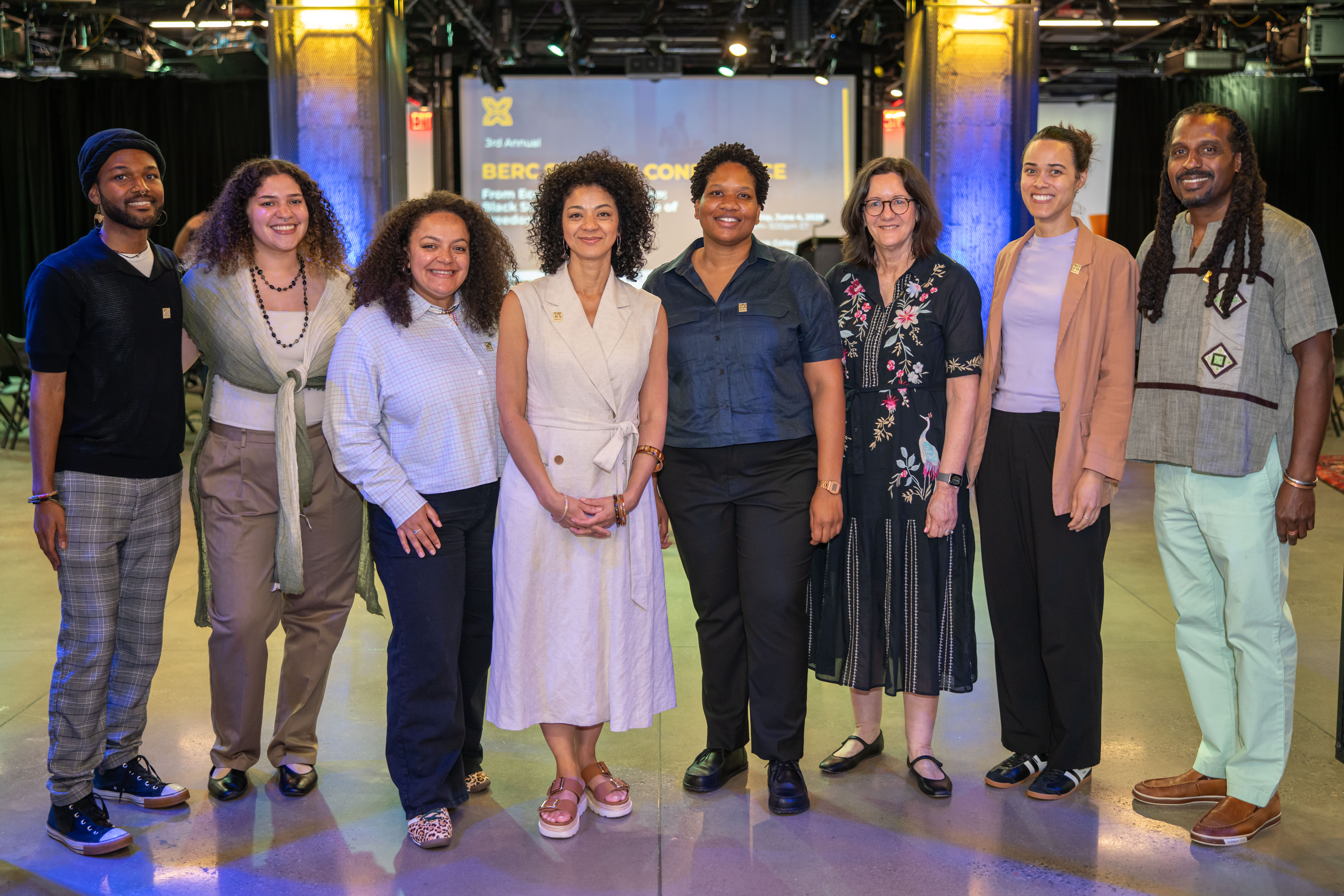
Thank you for attending BERC Summer Conference 2026!
Carousel
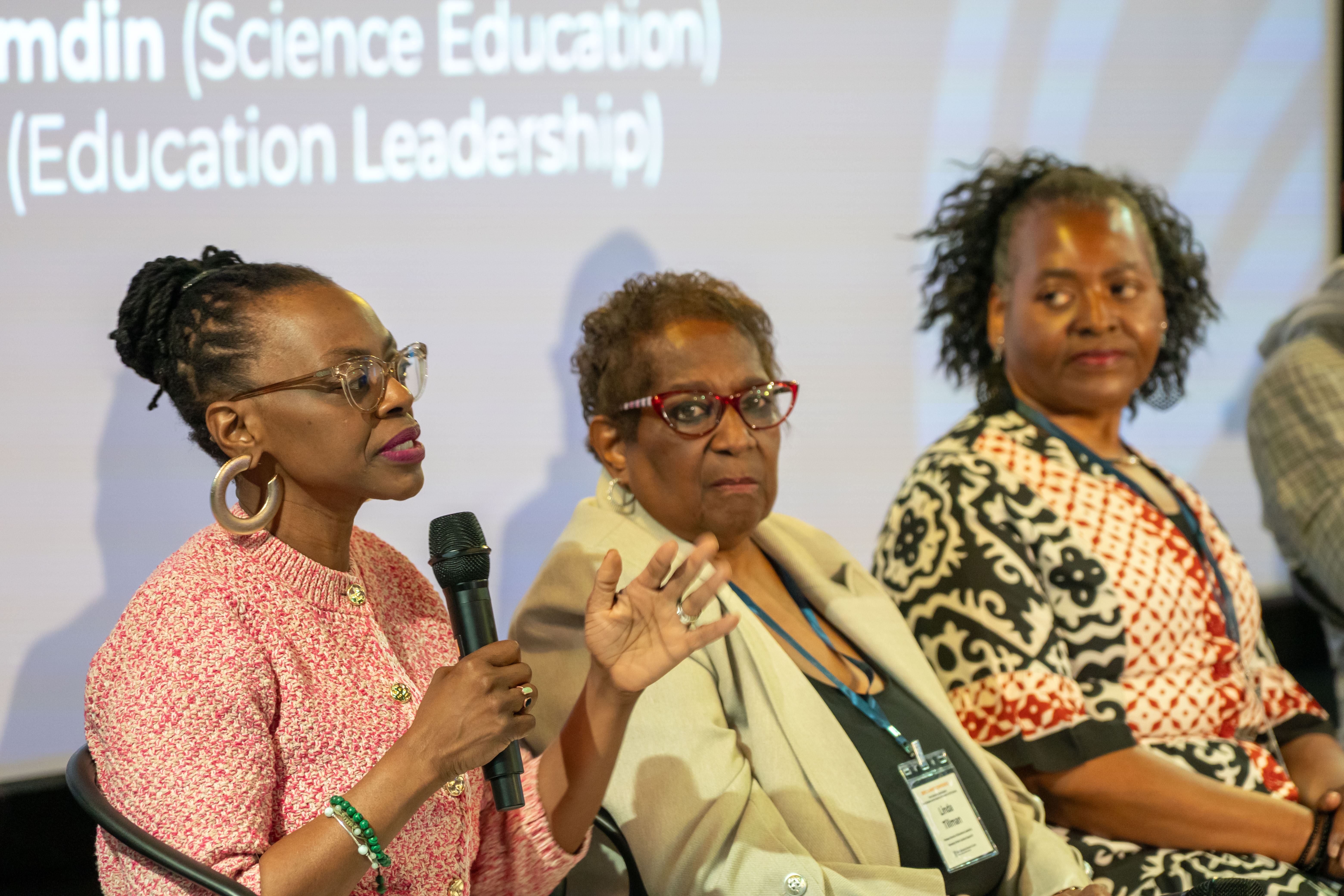
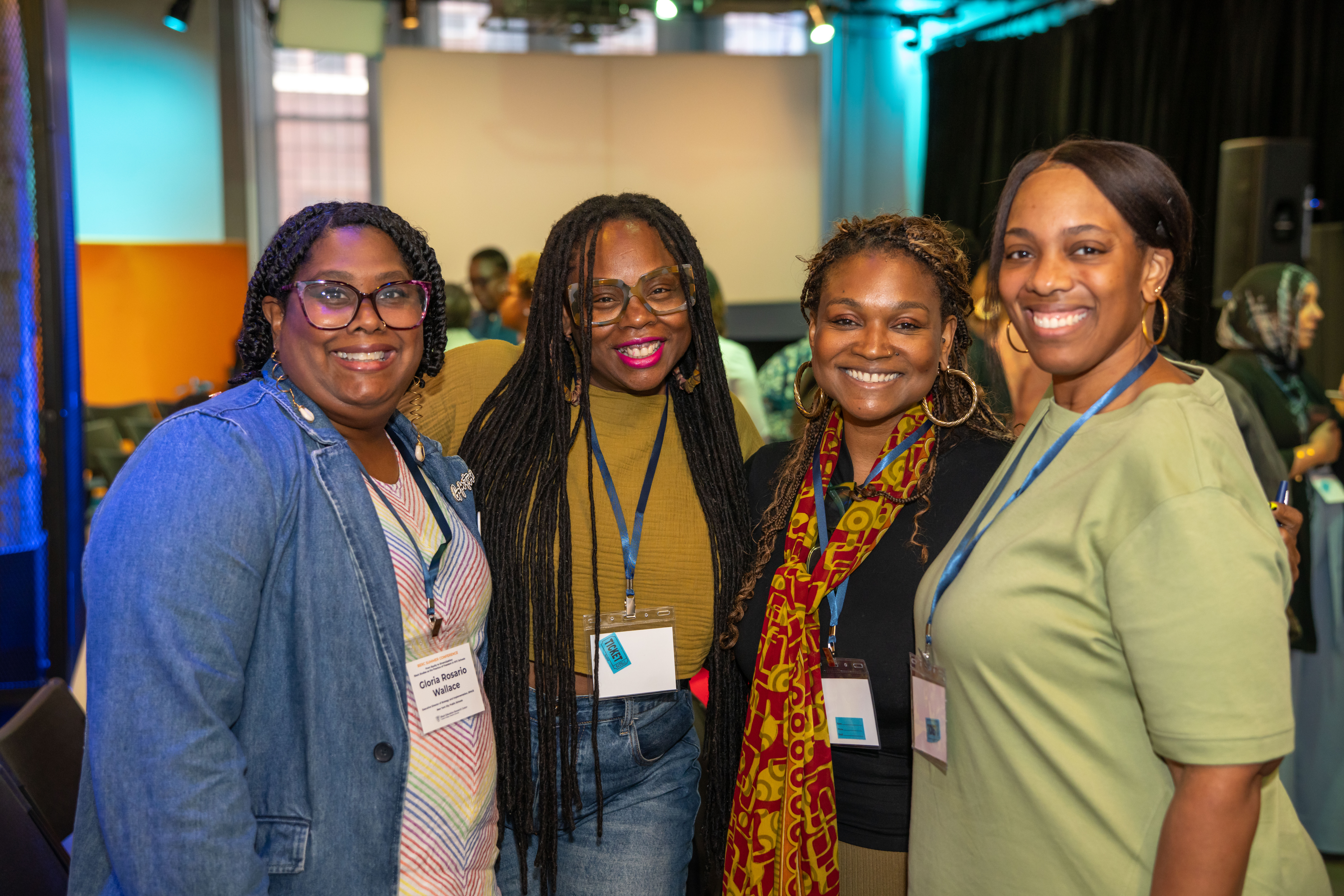
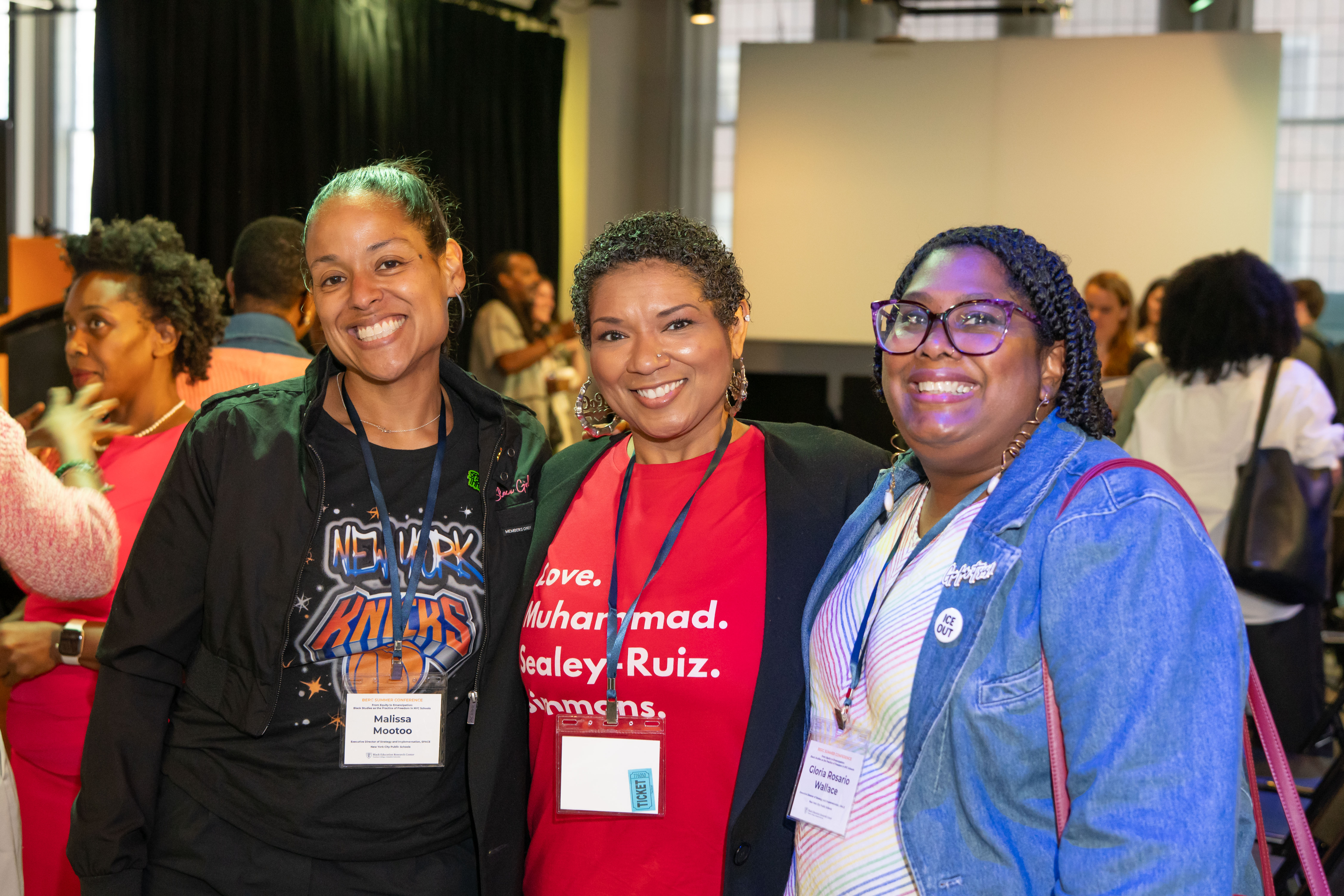
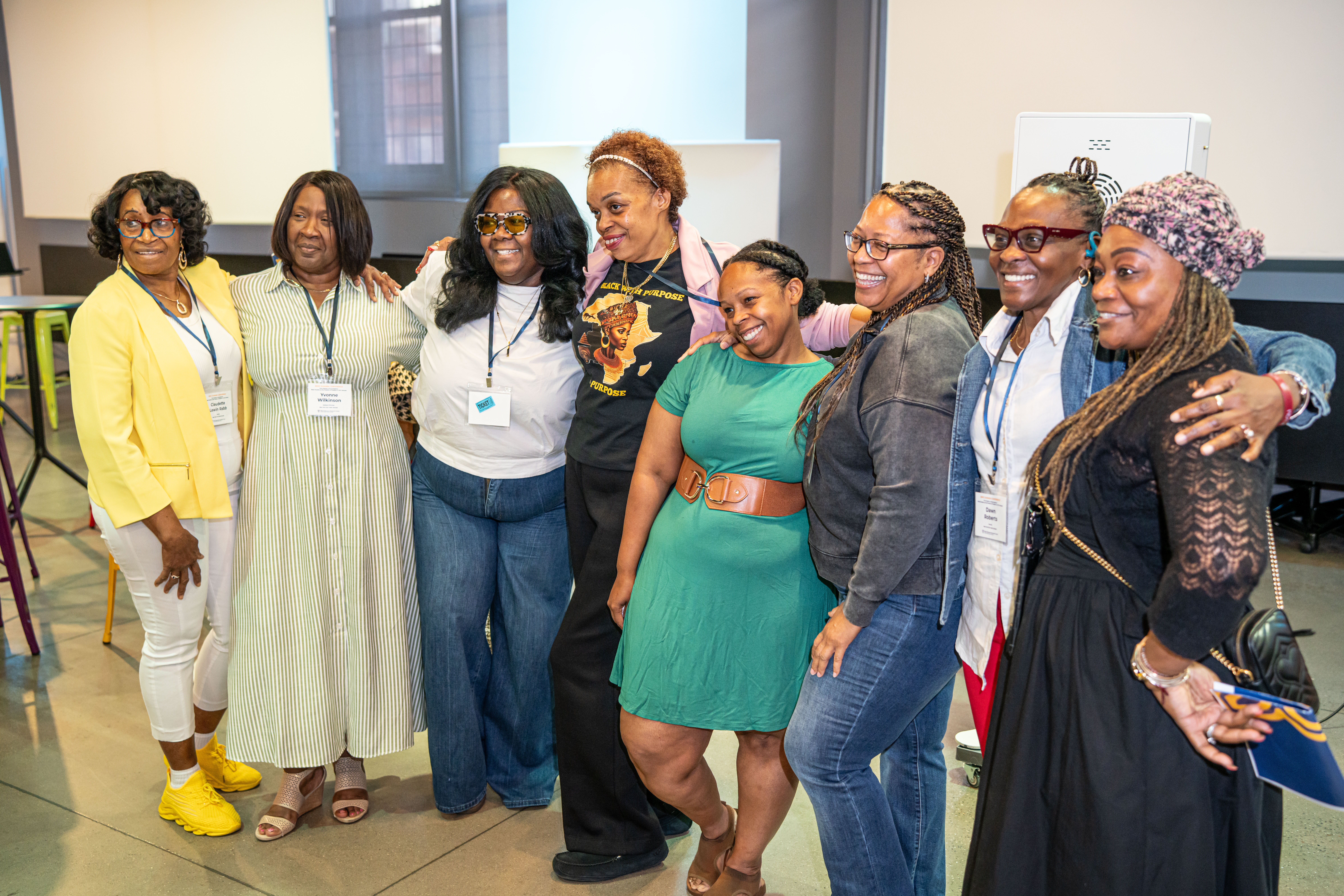

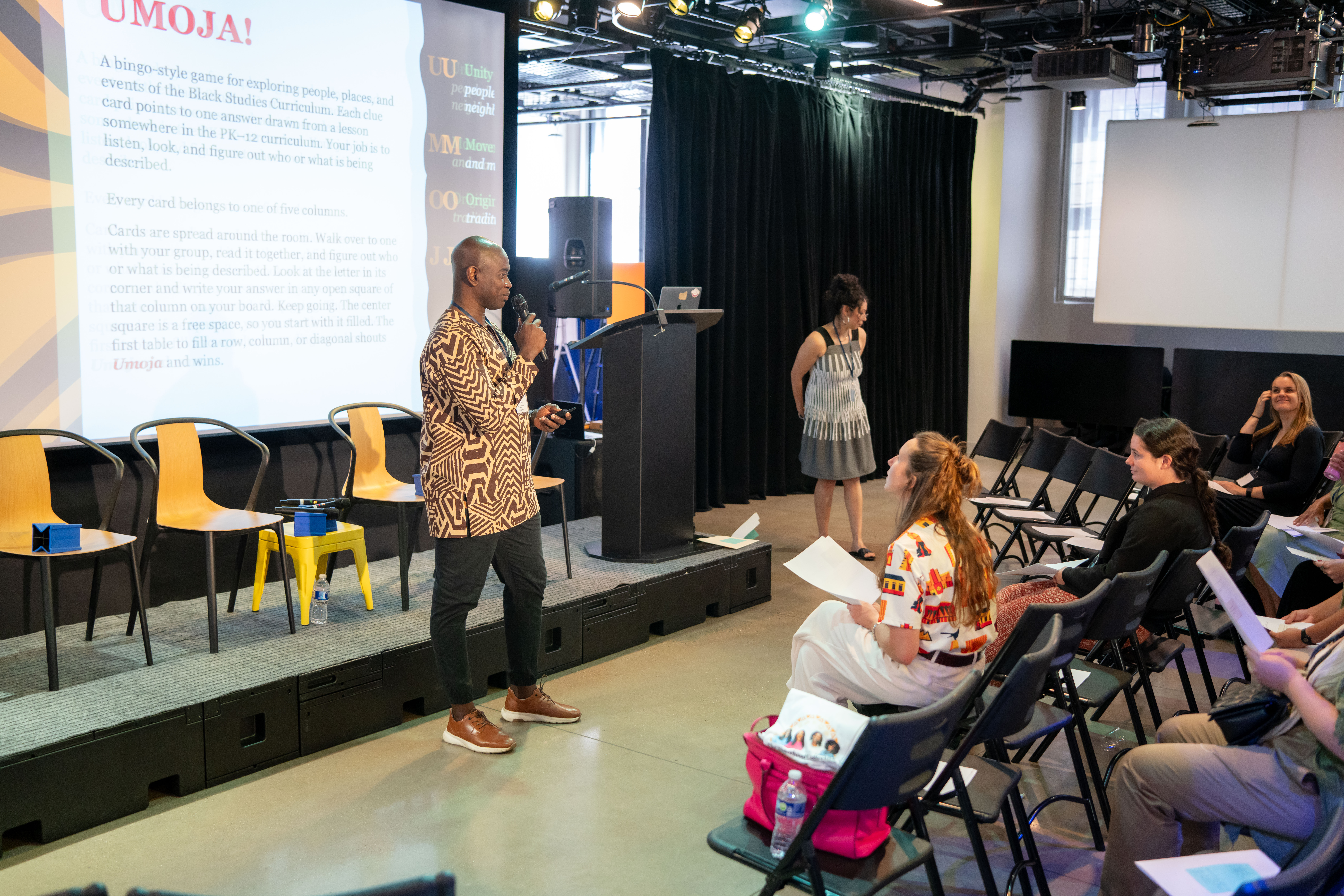
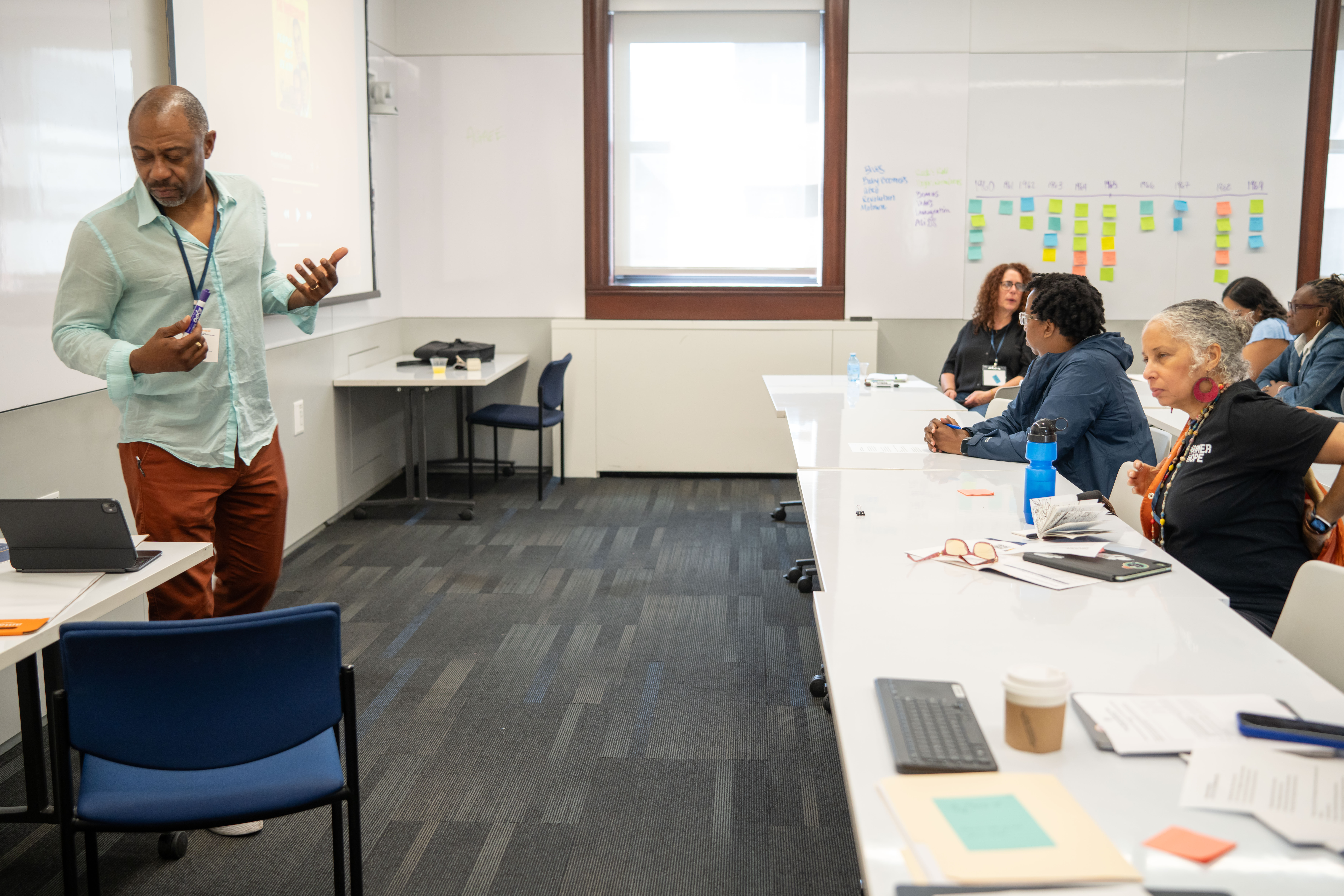
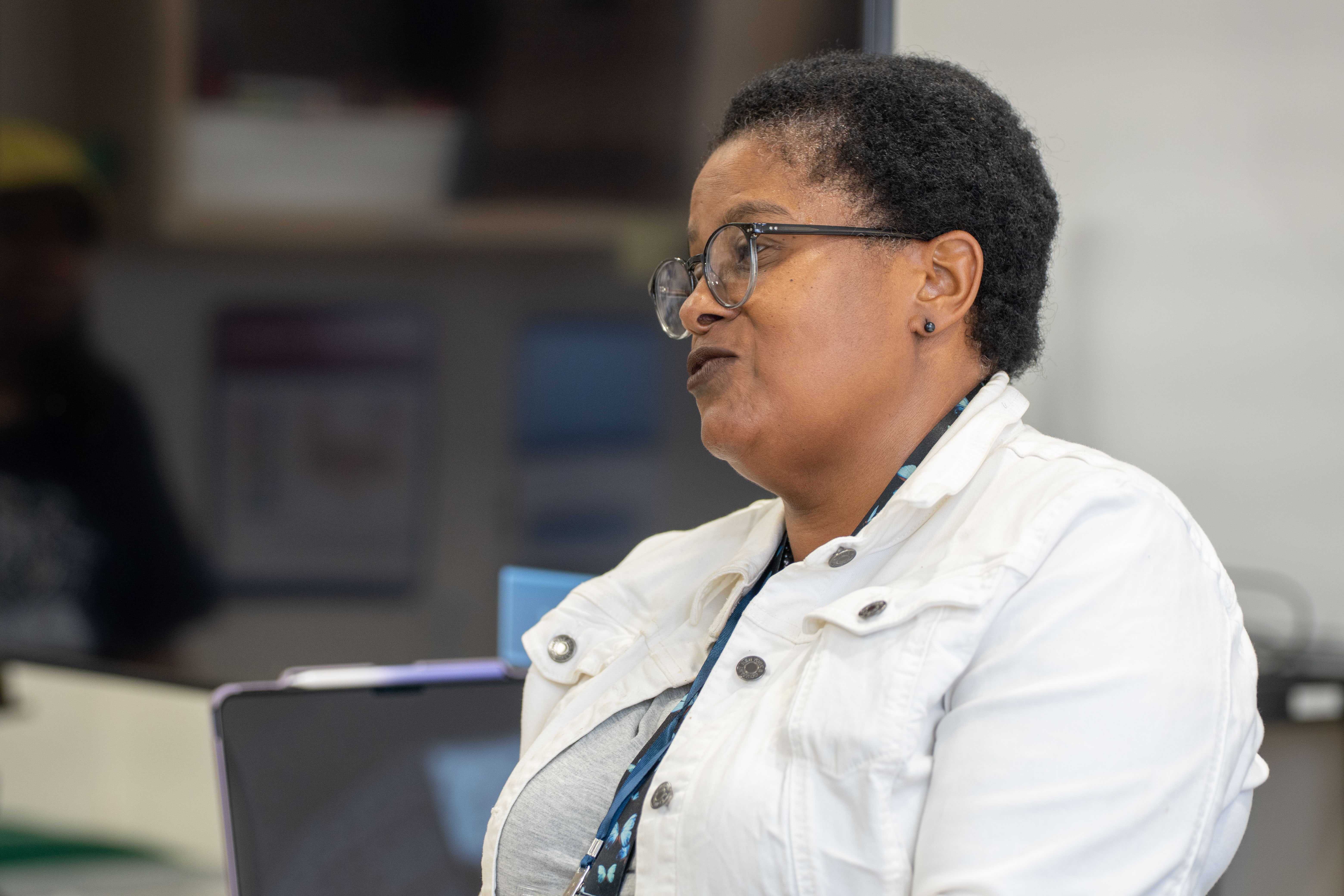
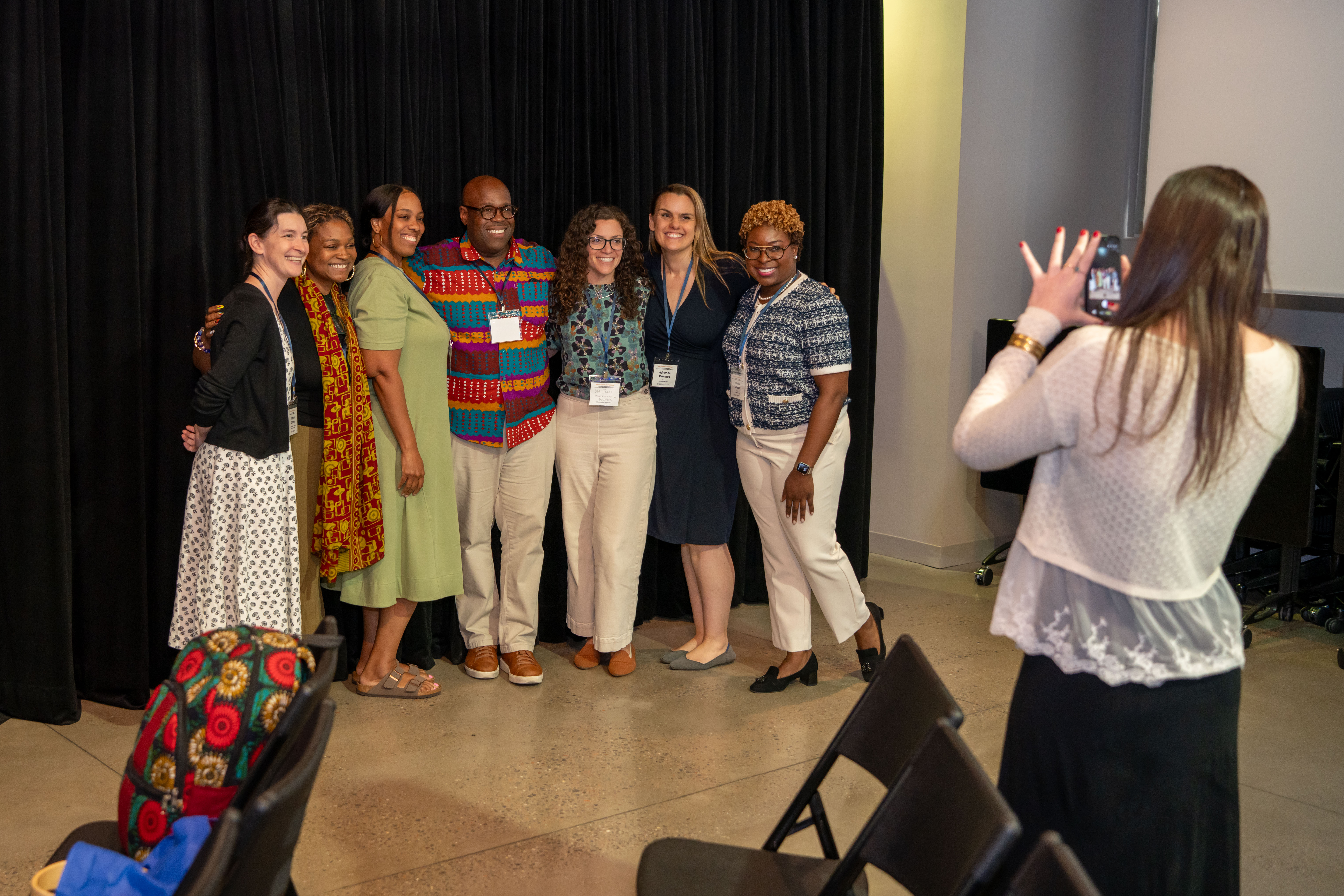
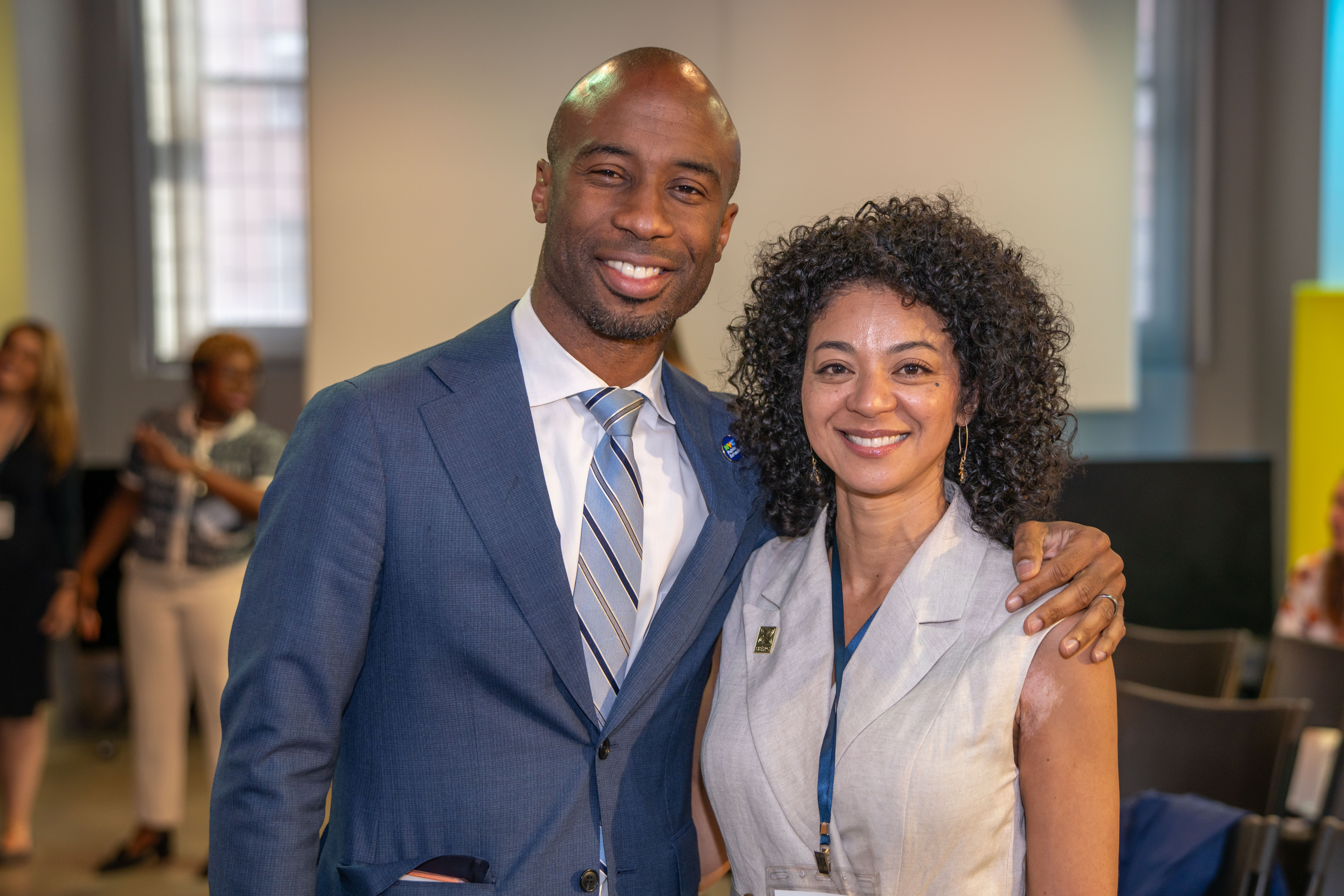
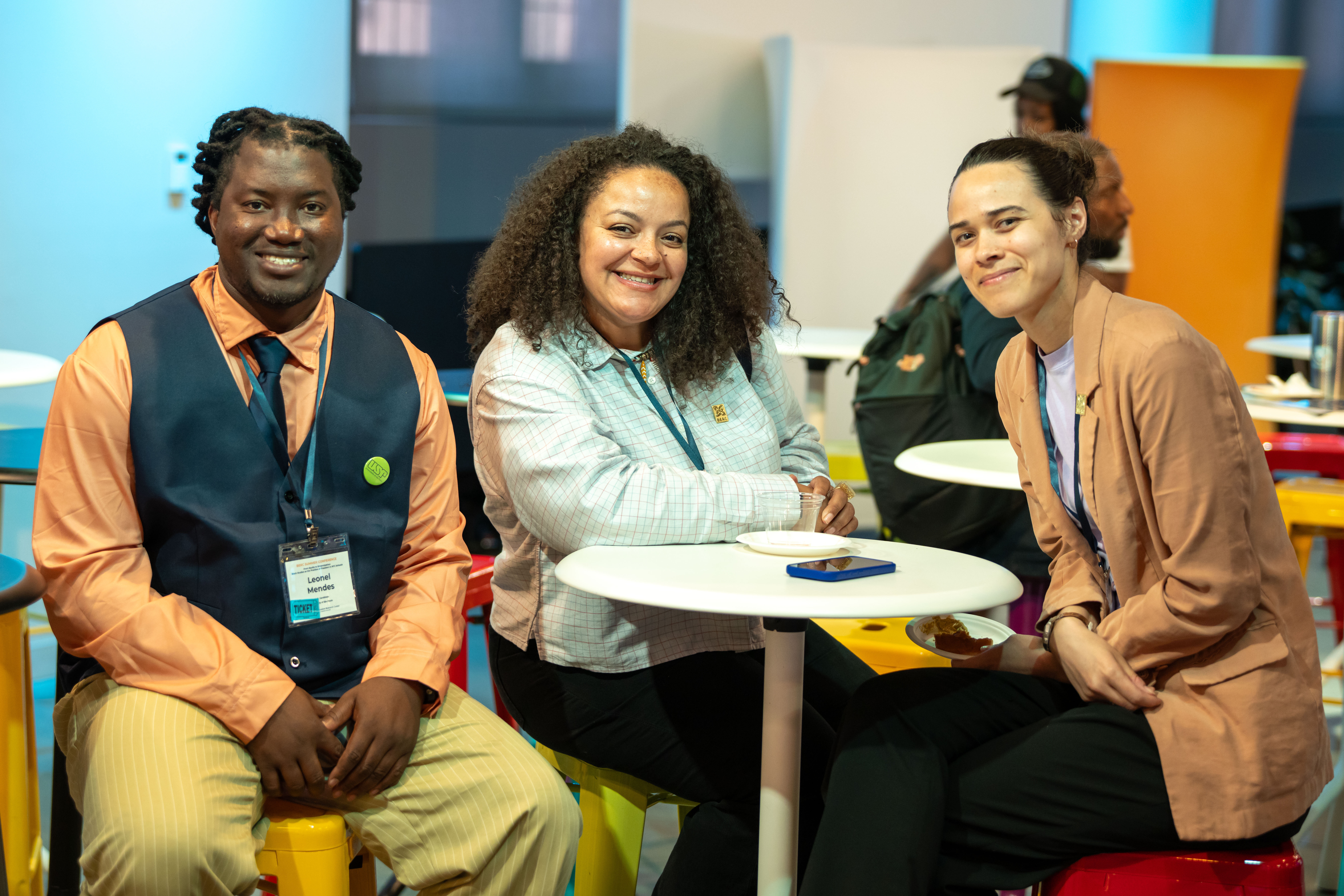
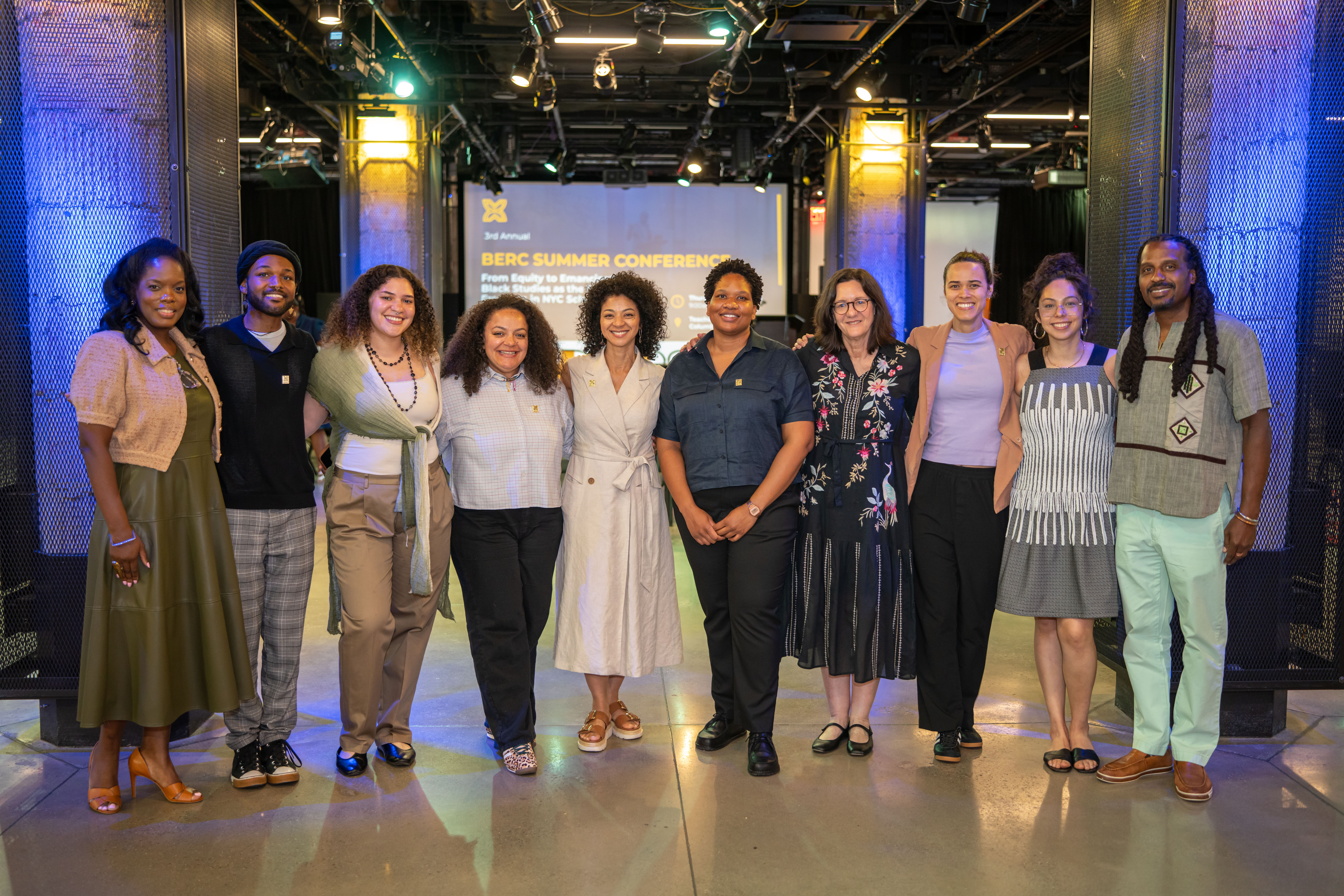
Background
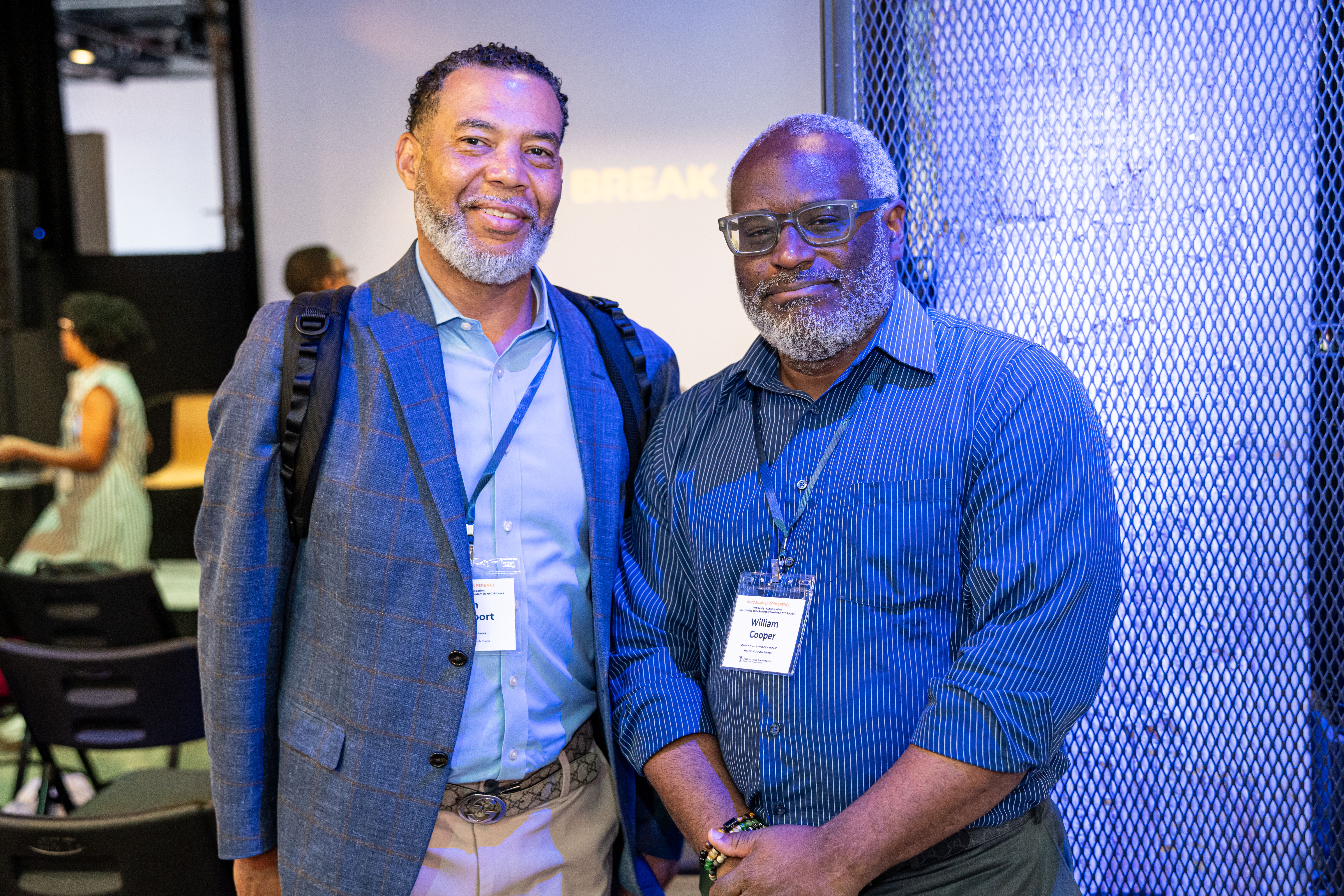
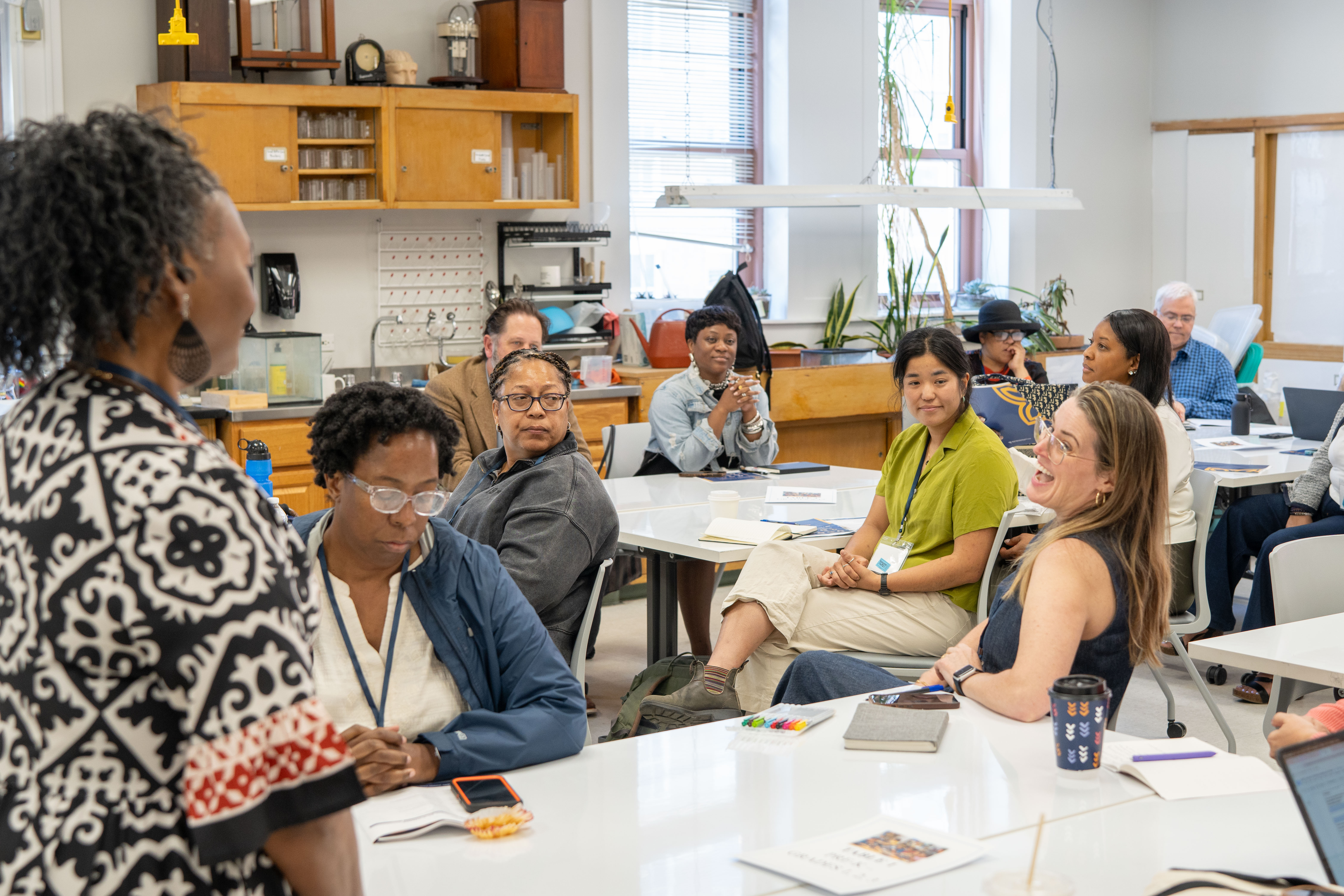
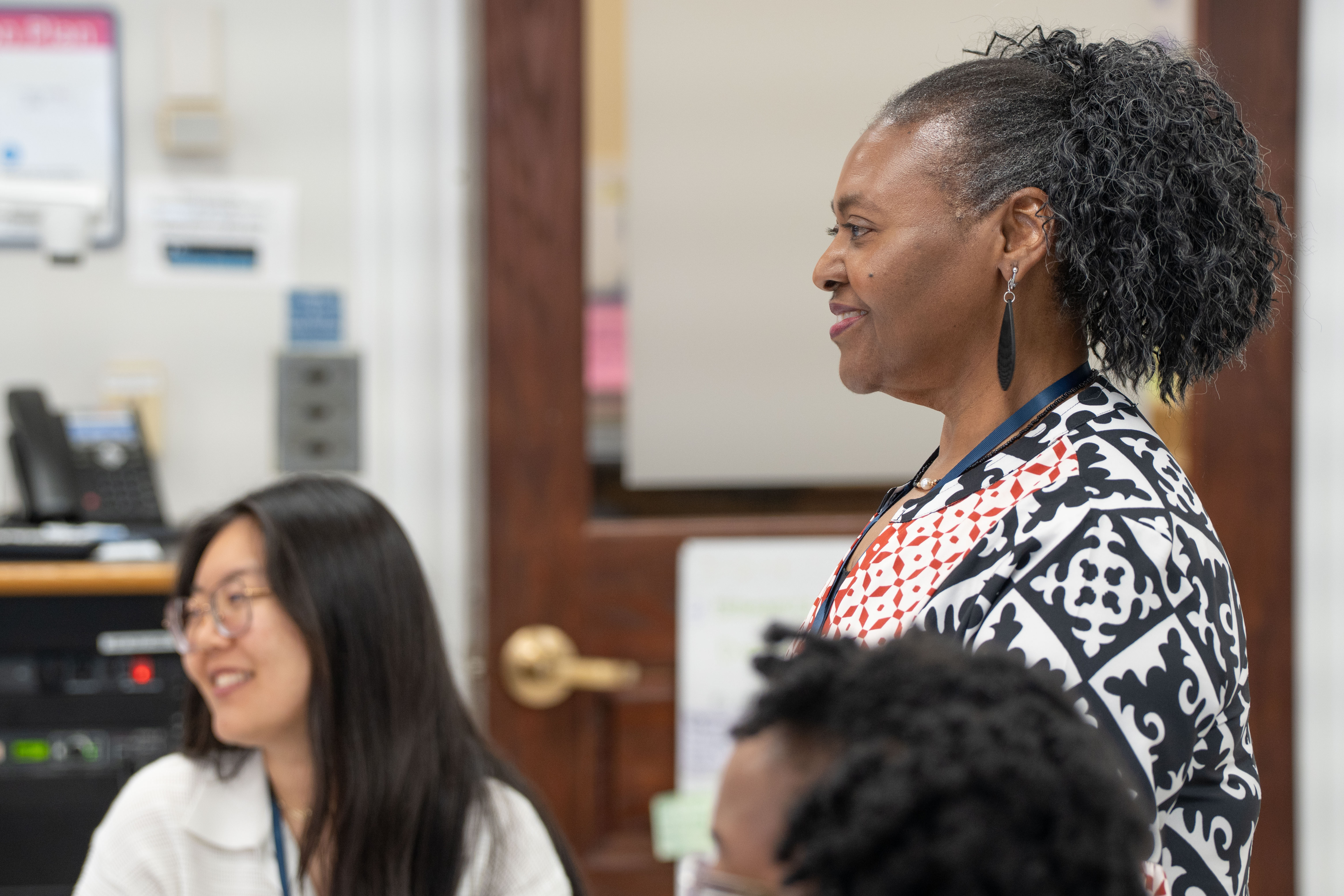
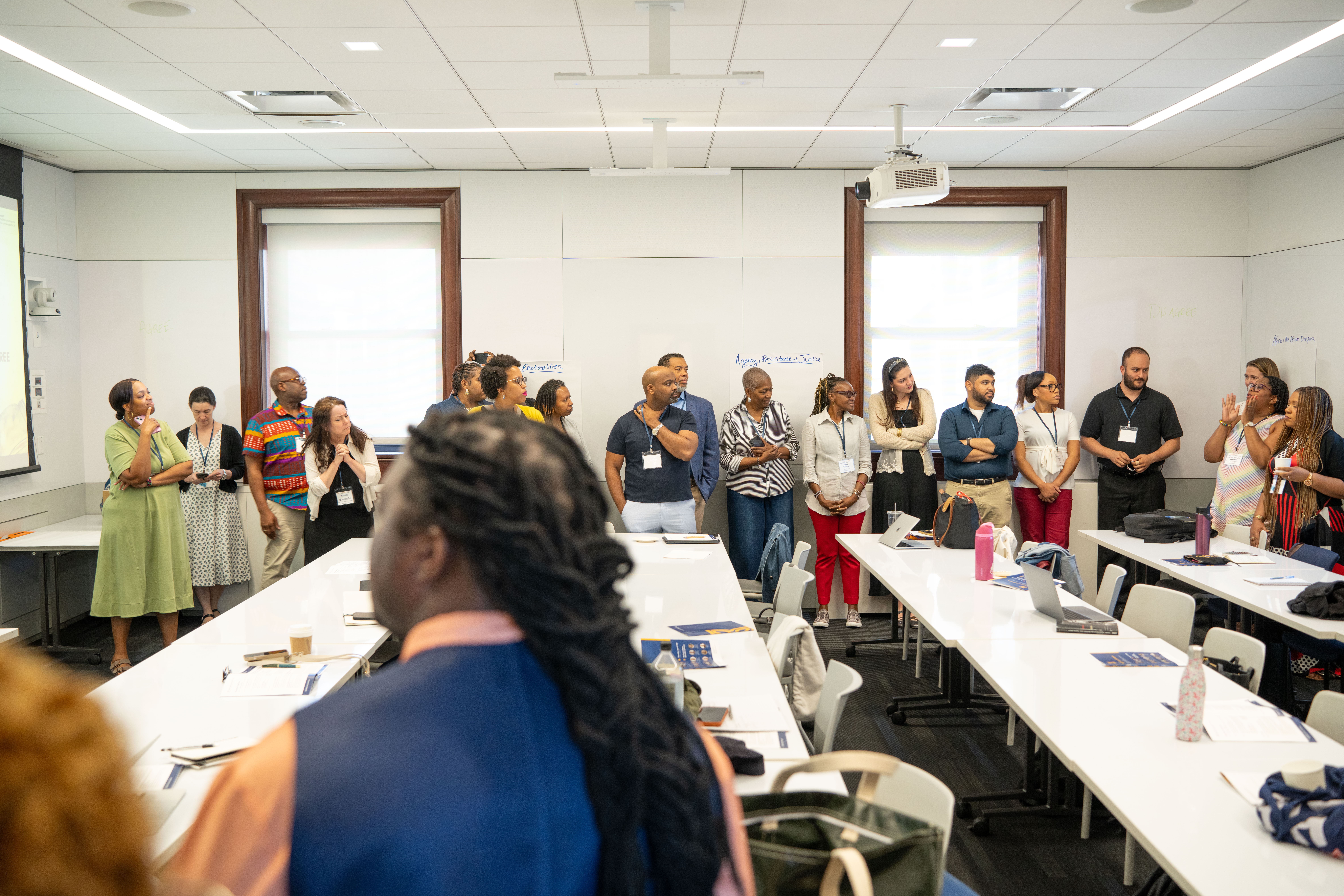
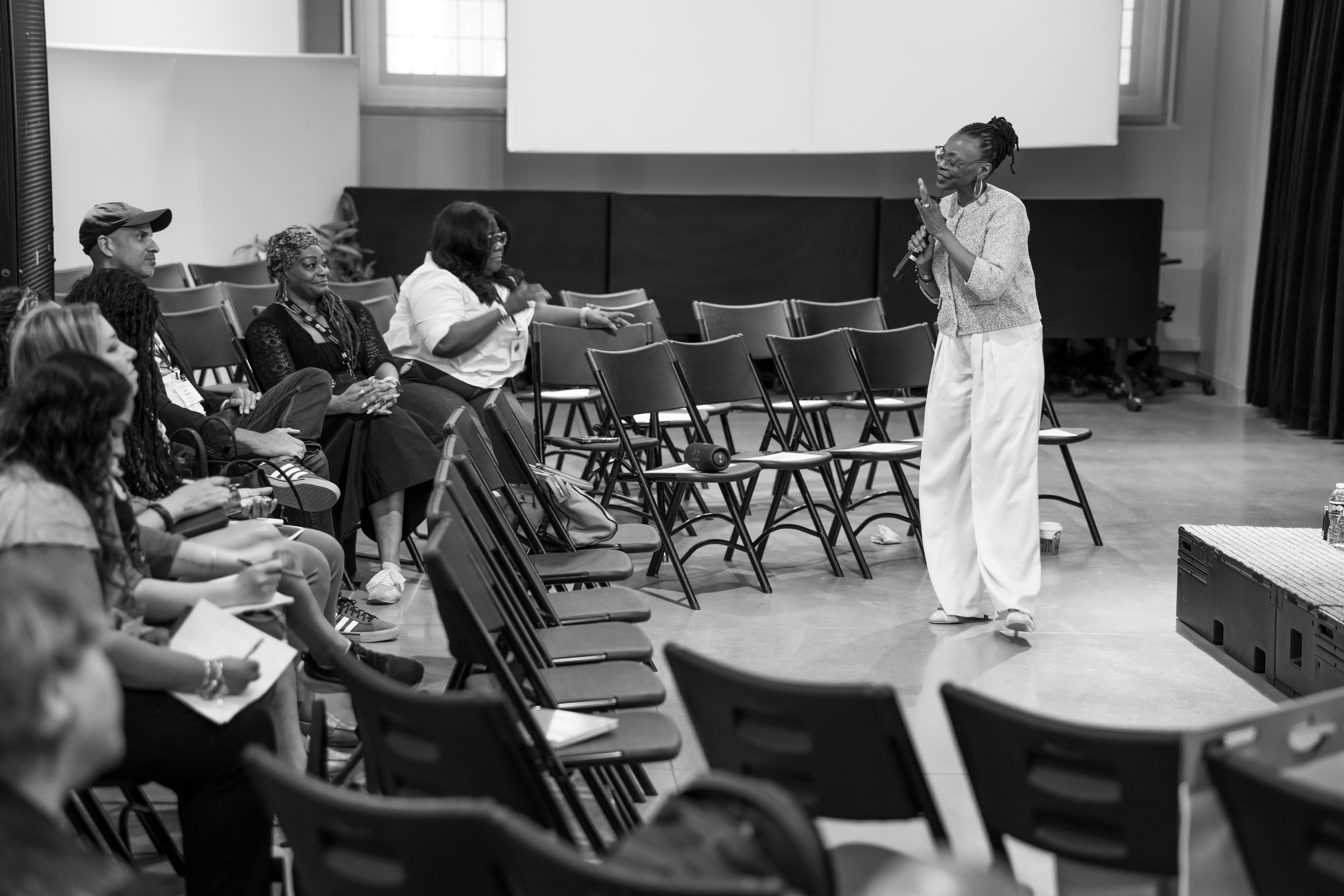
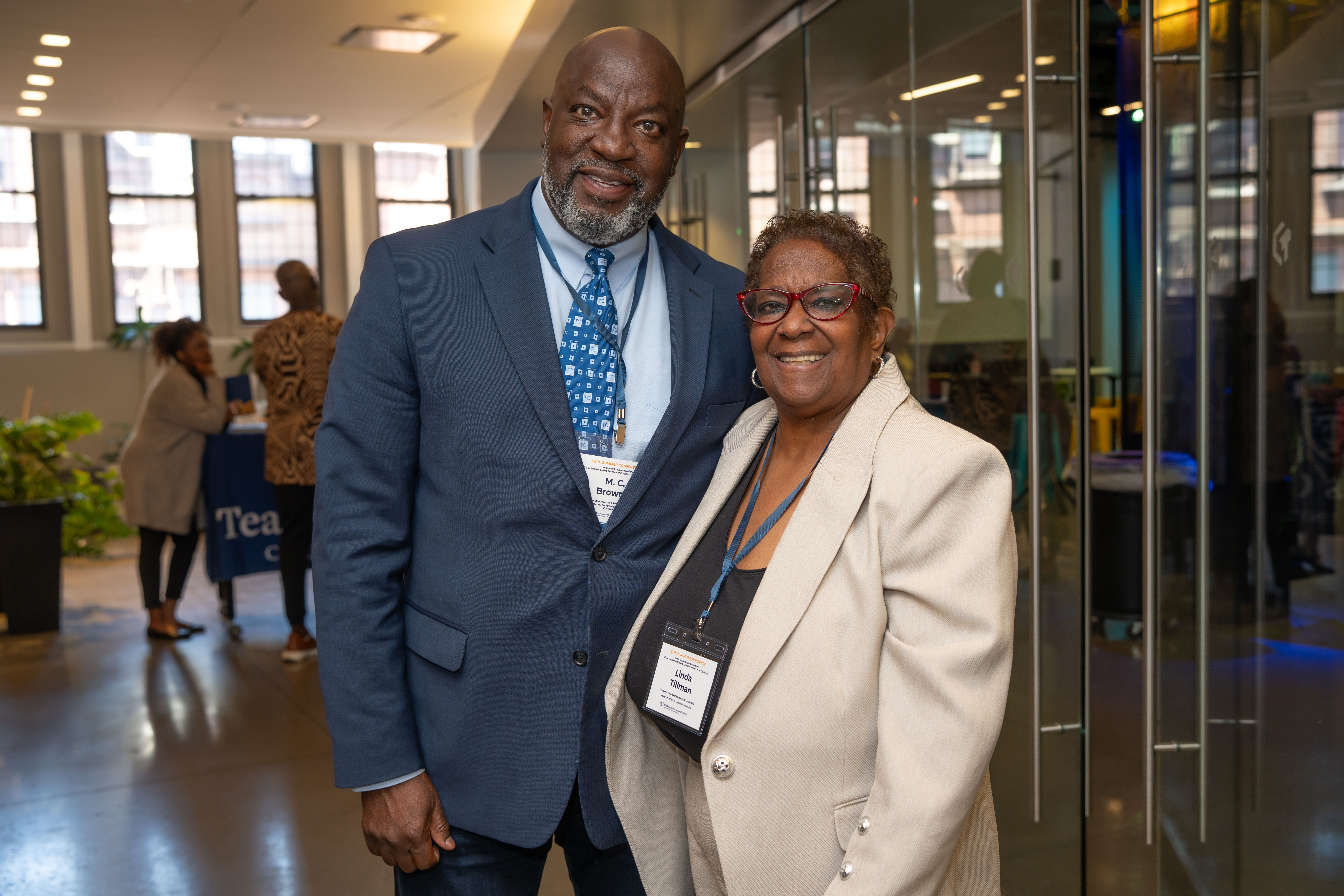
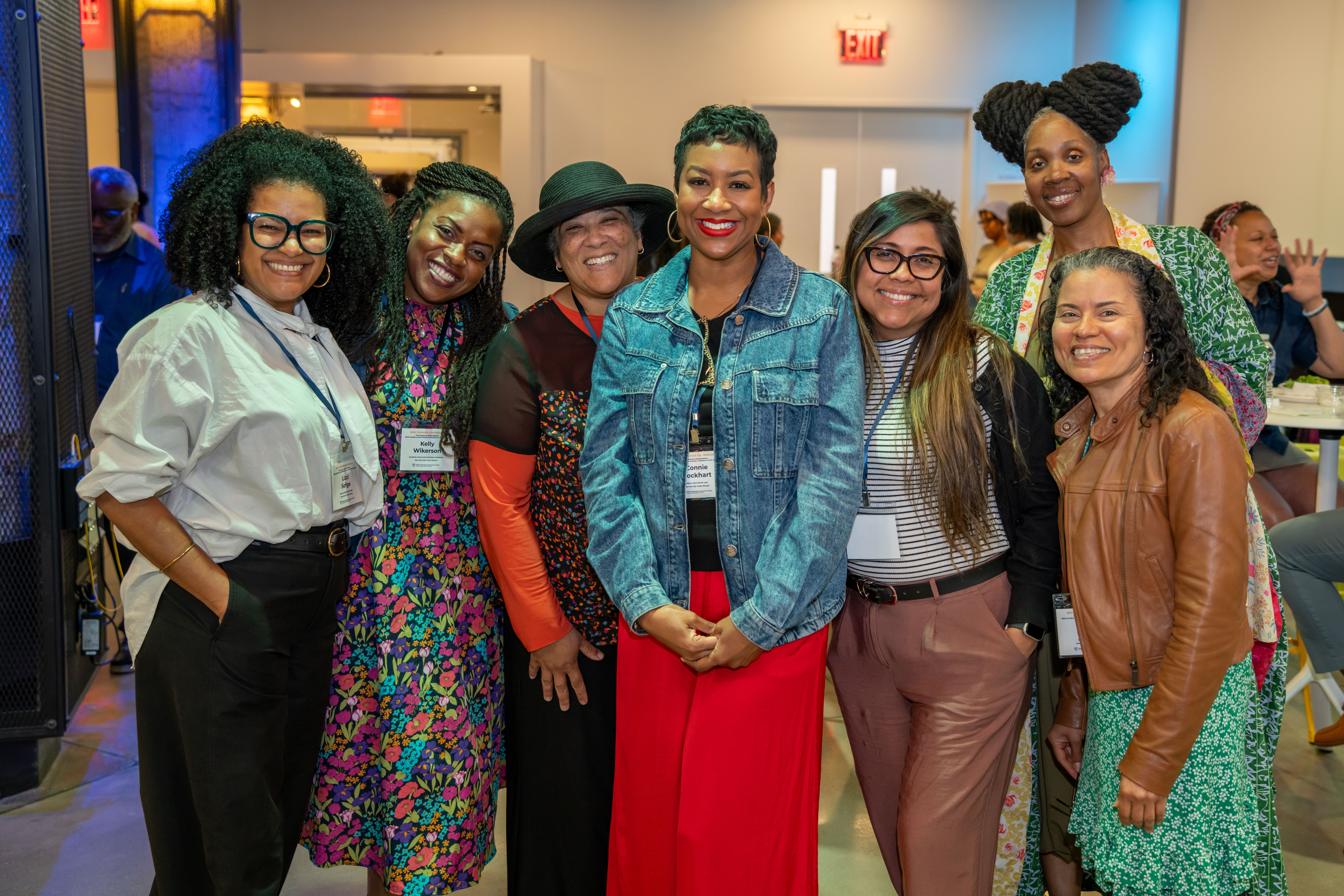
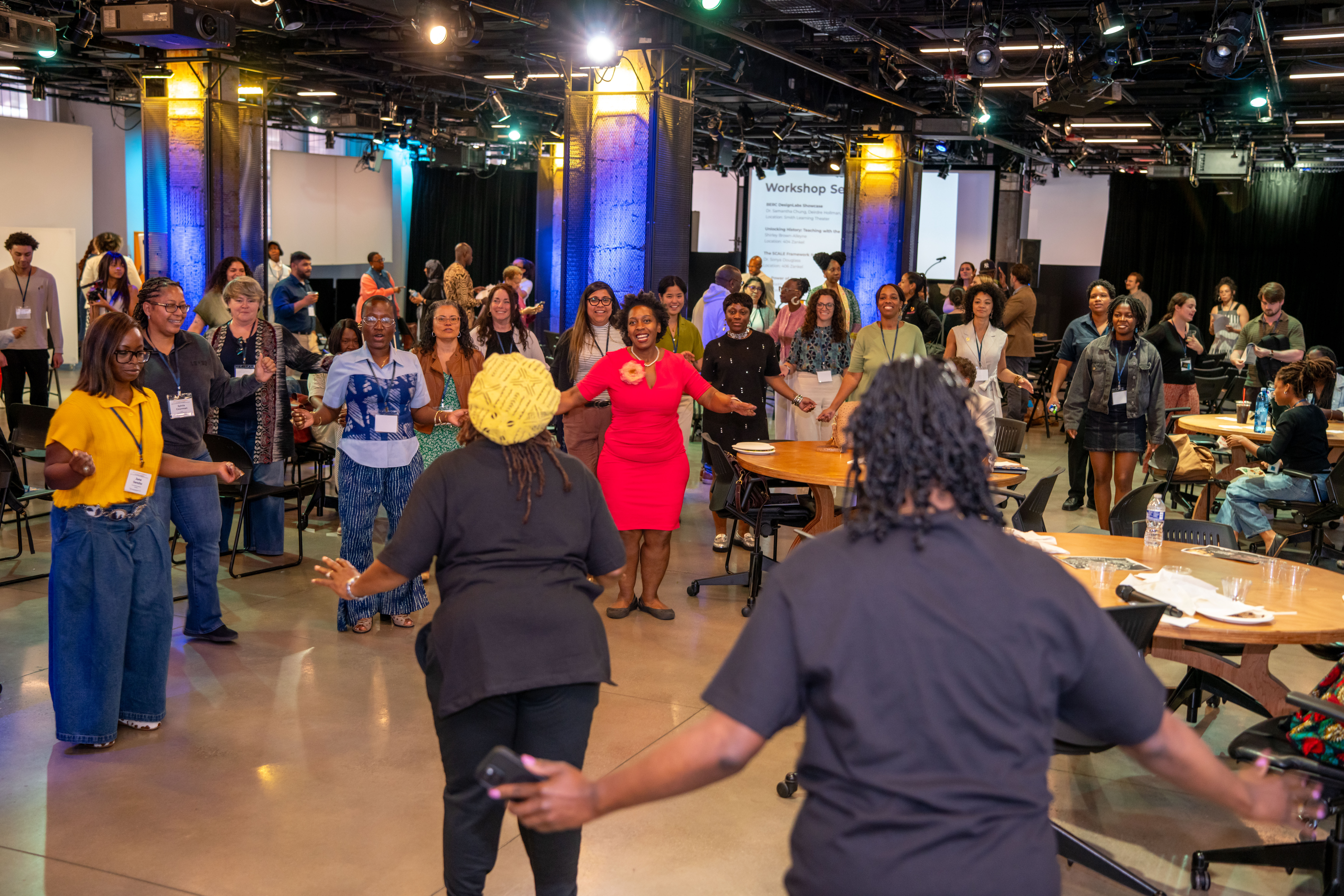
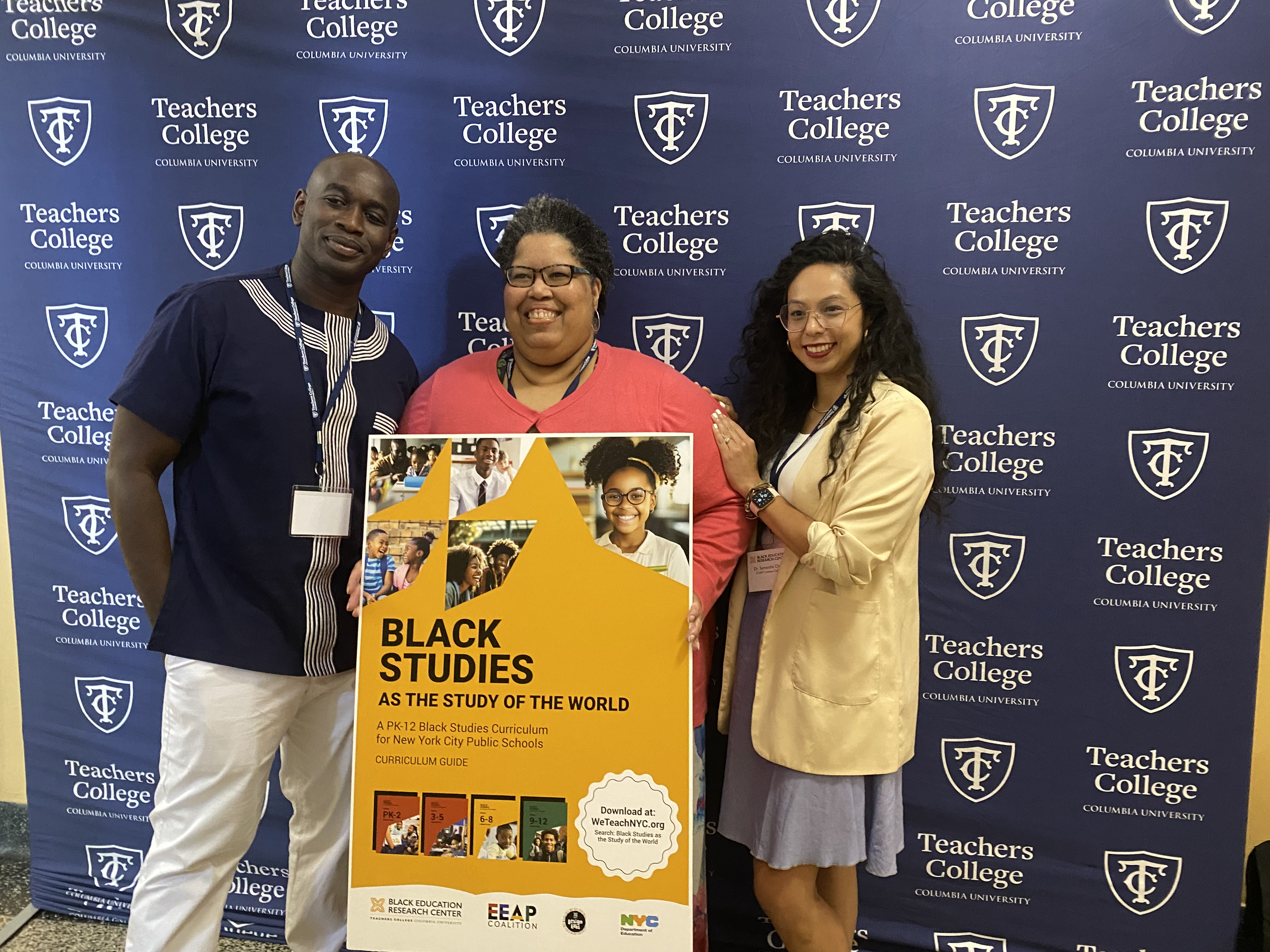
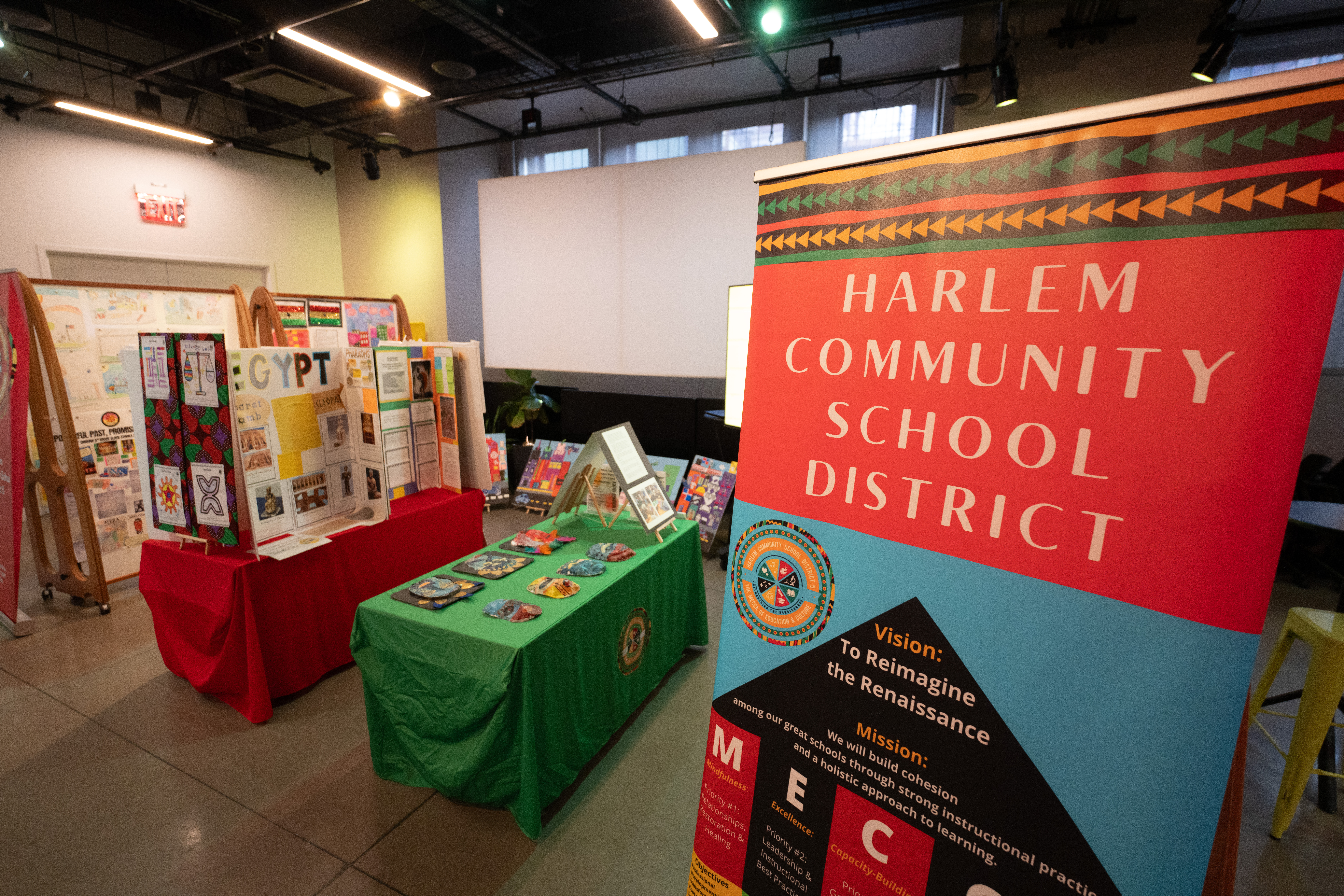
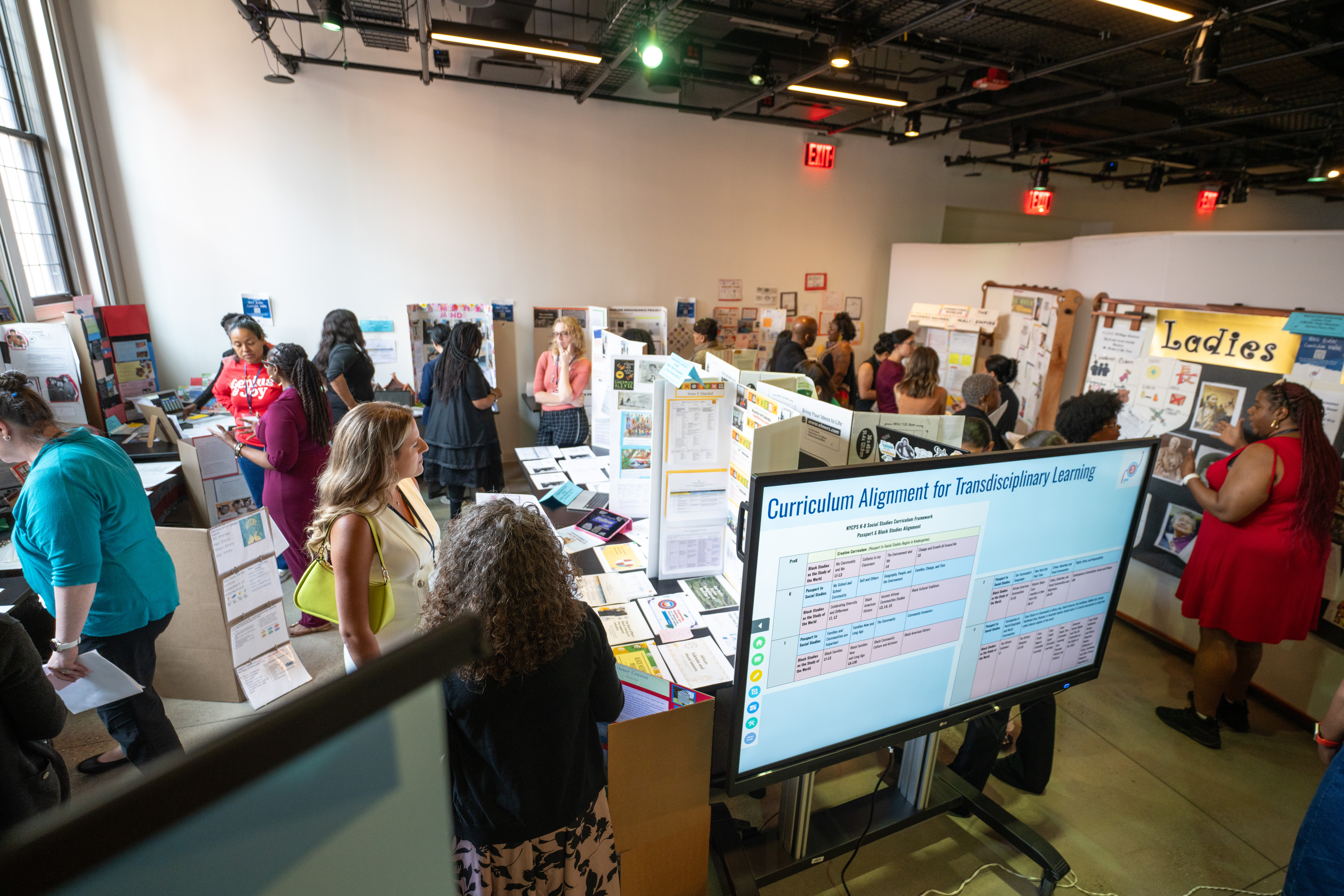
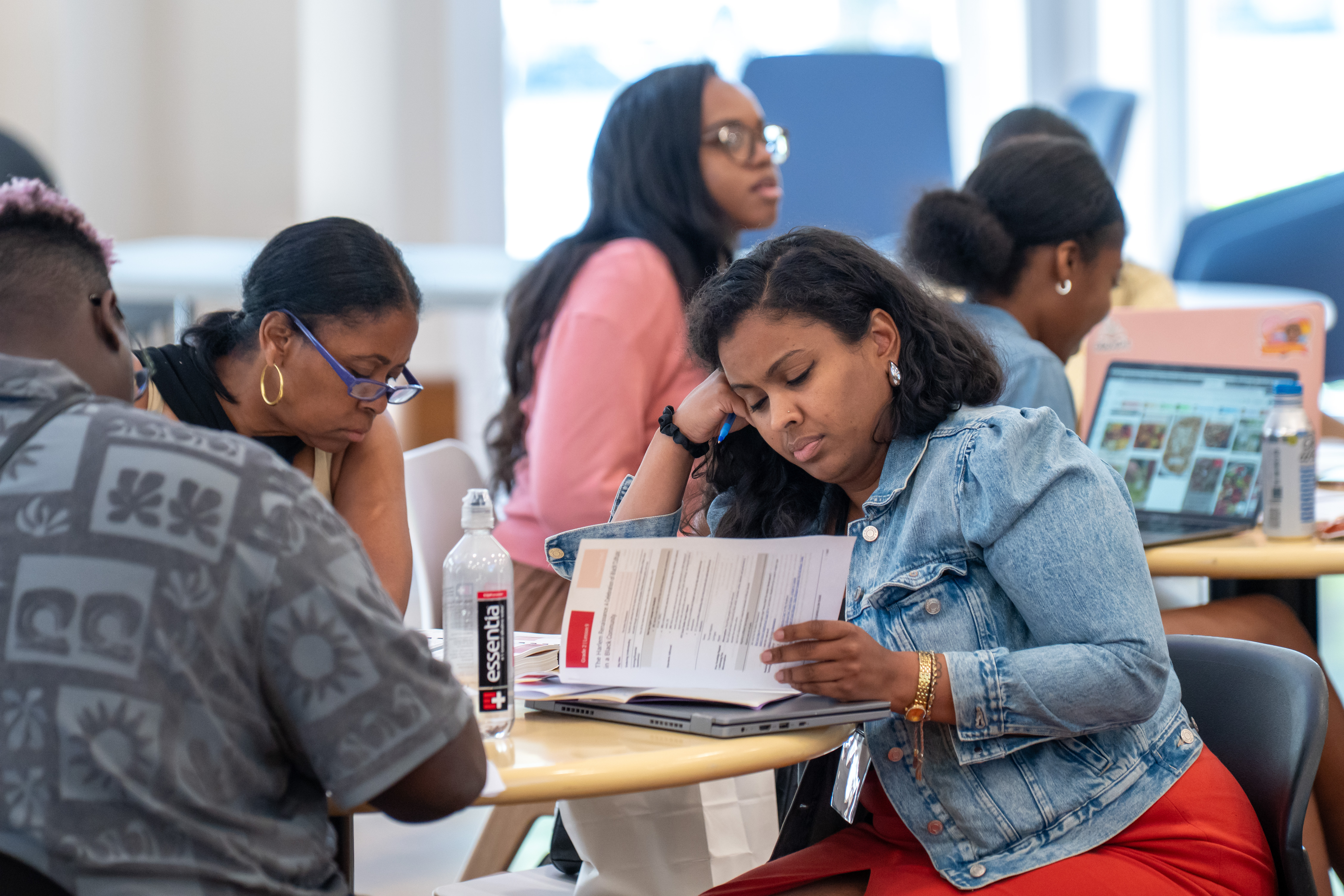
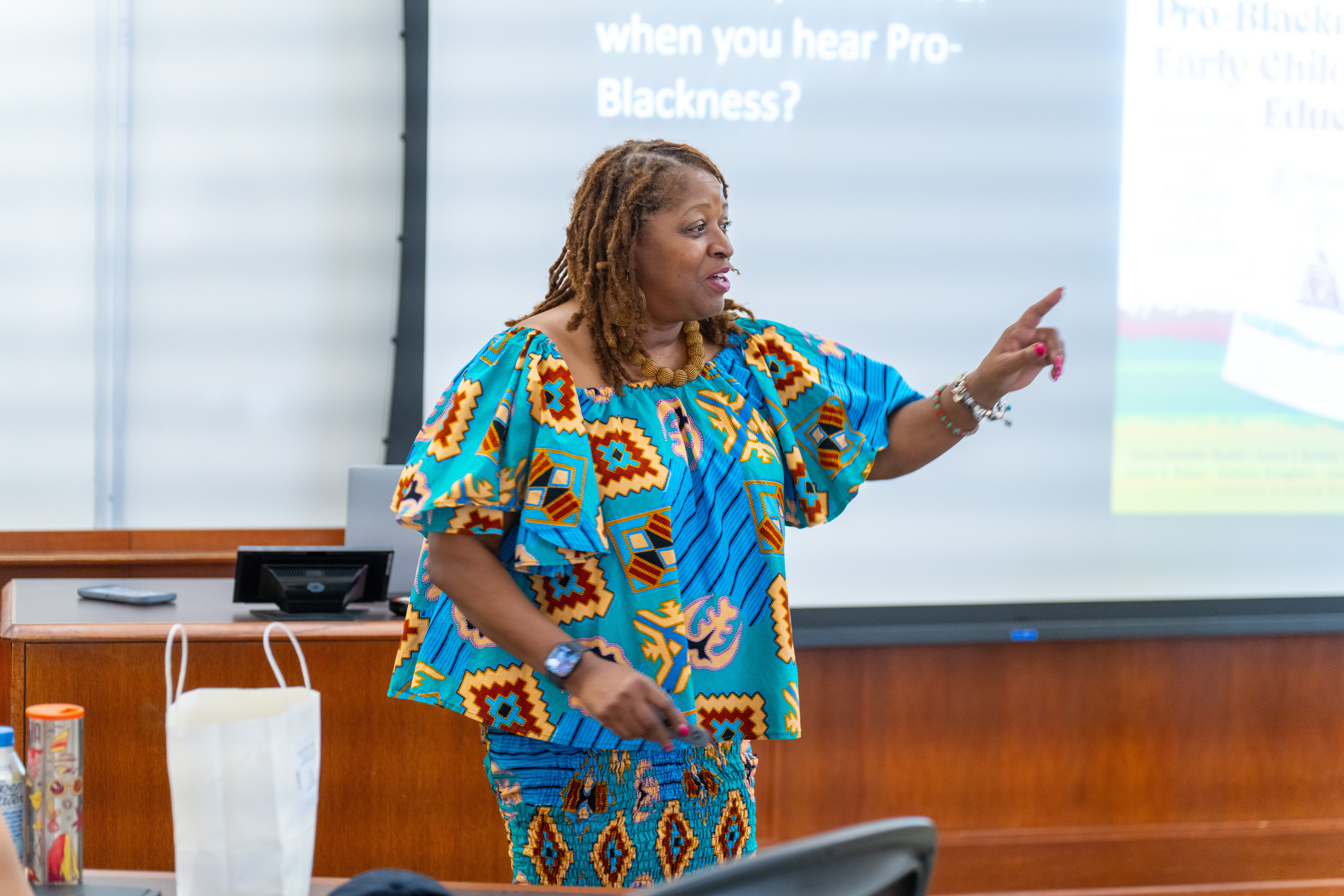
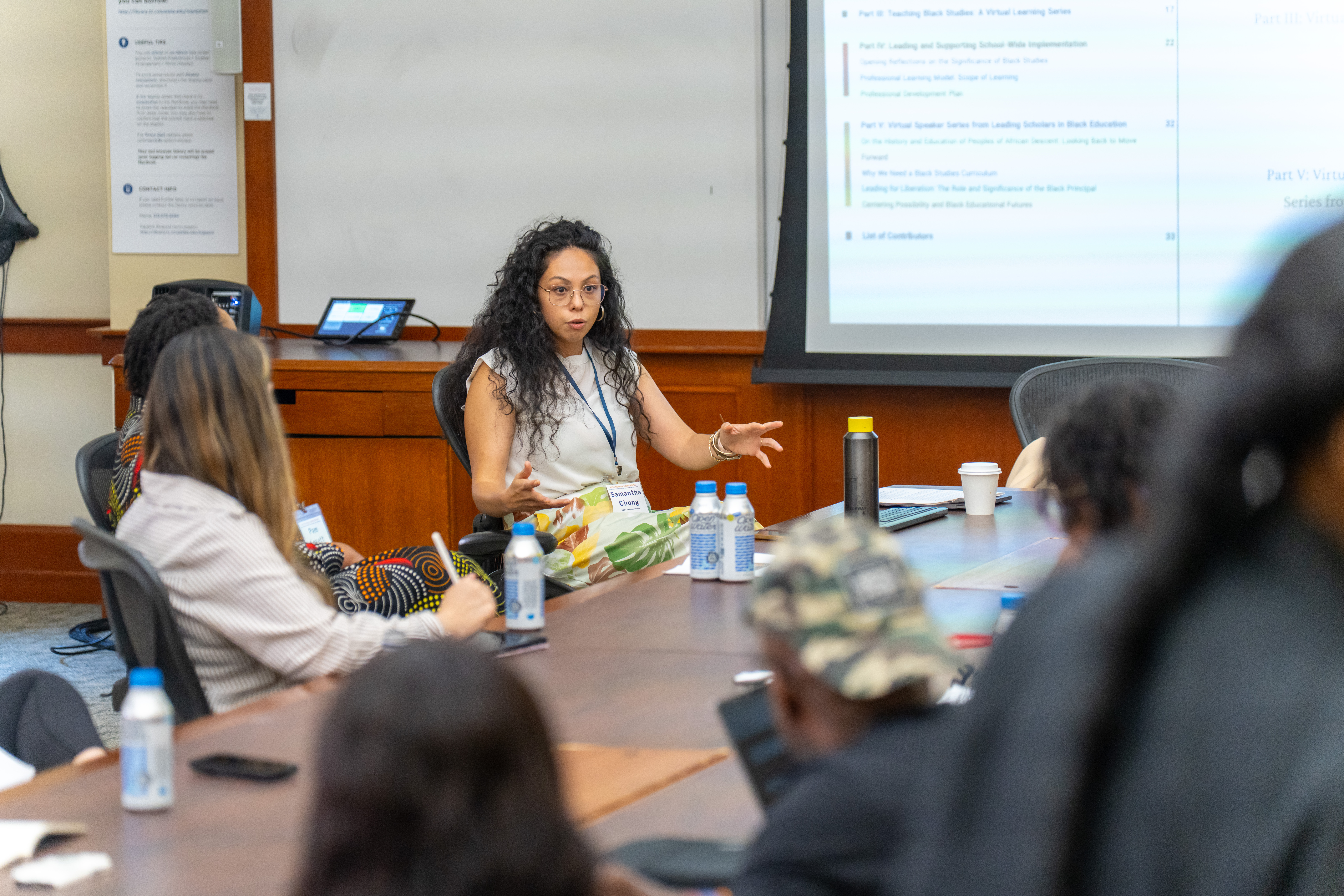
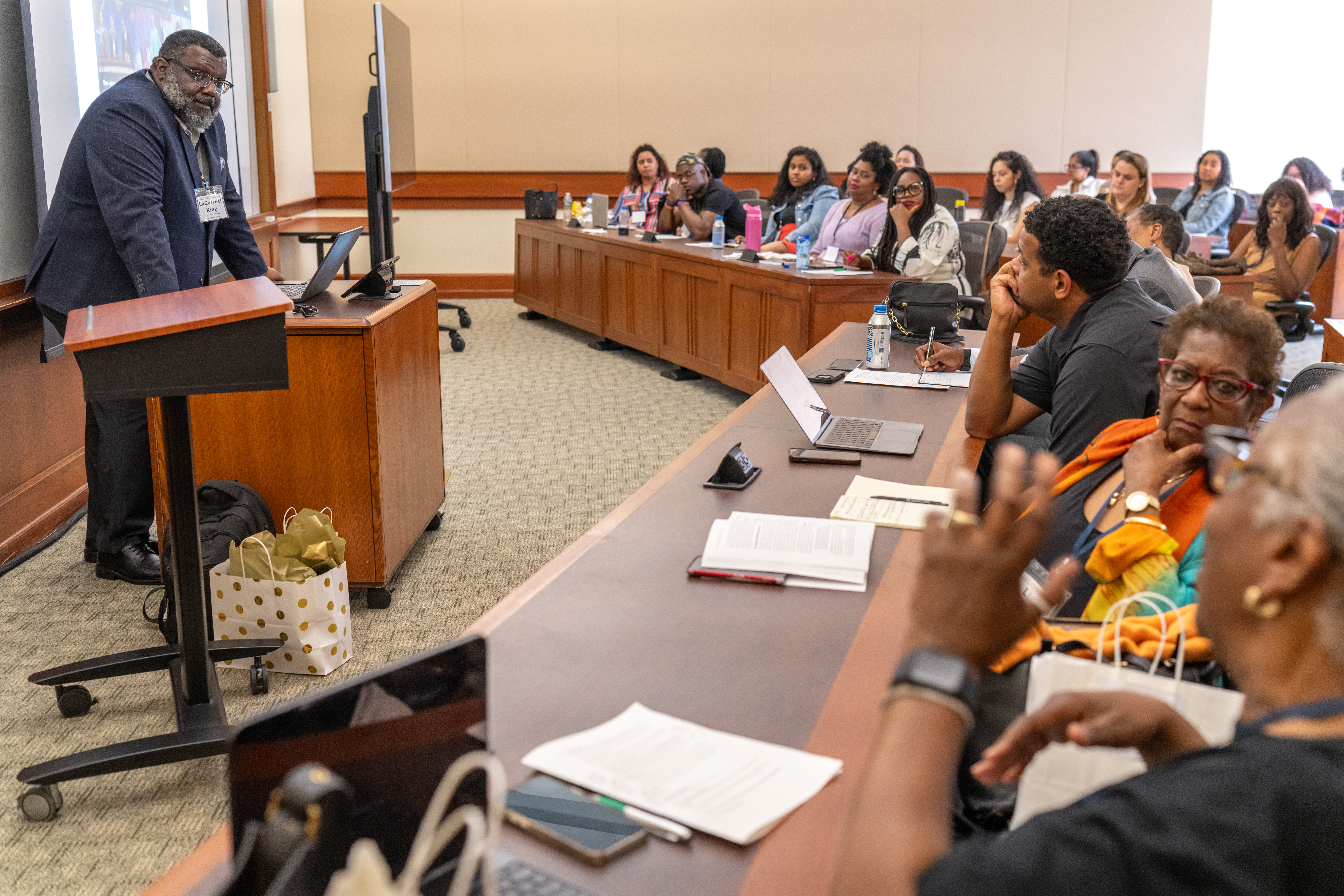
Since 2024, the Black Education Research Center has hosted an annual summer conference designed to equip K-12 educators and school leaders with the content knowledge, instructional strategies, and community necessary to implement Black Studies as the Study of the World: A PK-12 Black Studies Curriculum for New York City Public Schools in K-12 classrooms throughout New York City. Now in its third year, the conference has featured experts on Black studies and culturally responsive and sustaining education, fostering a community of support for Black studies implementation in New York City and beyond.
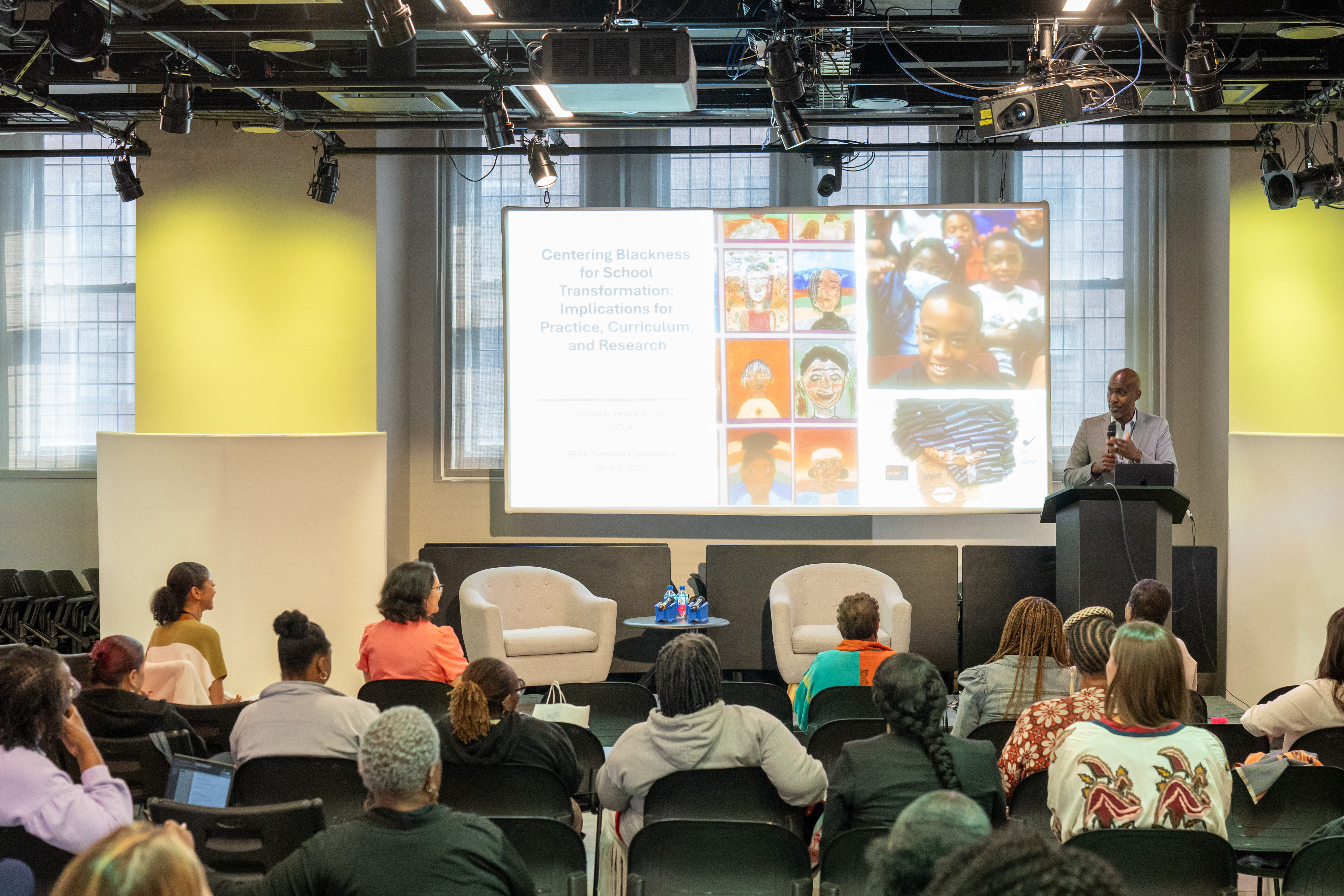
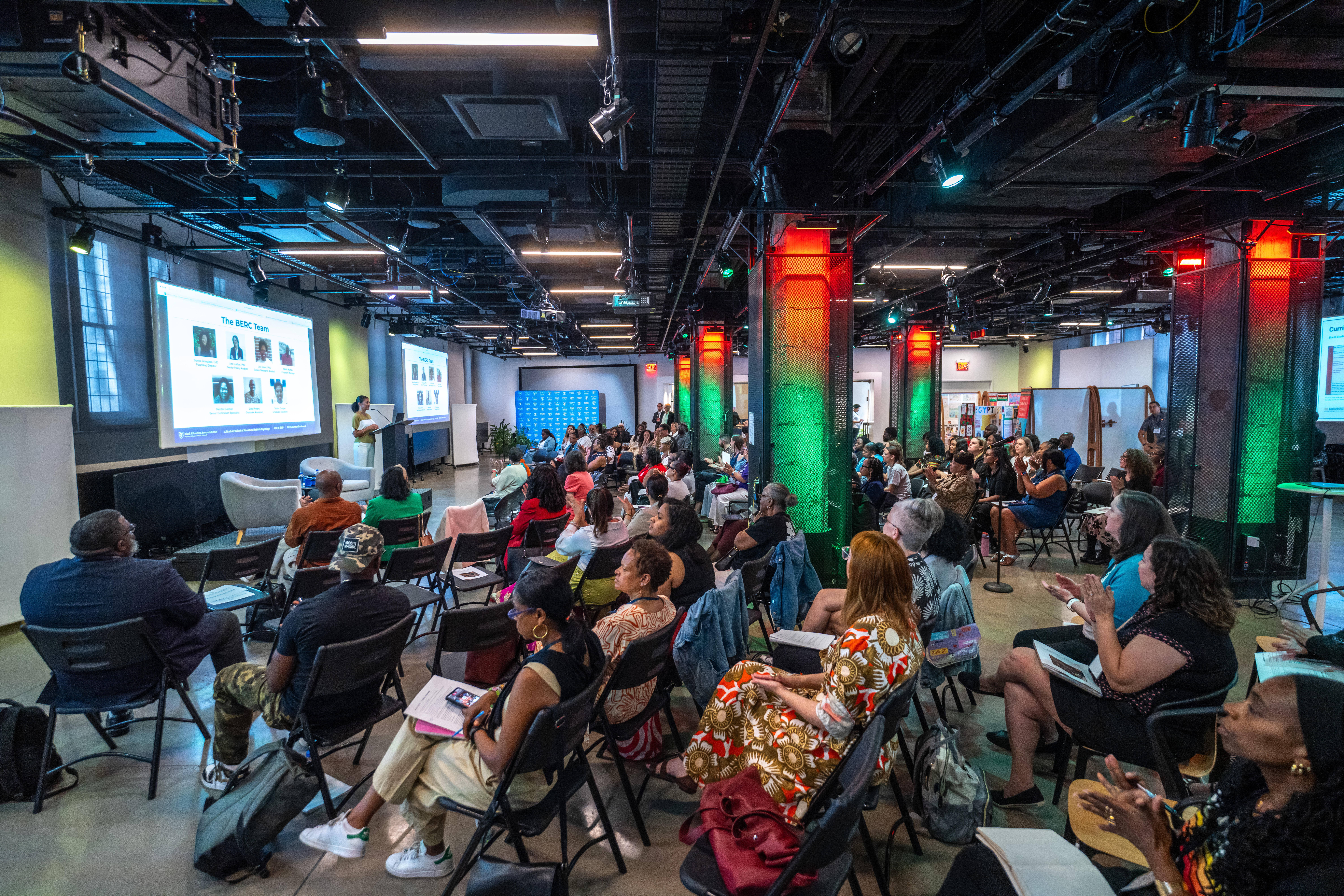
Grounded in decades of research, community engagement, and policy advocacy, this convening offers participants opportunities to interact directly with leading scholars, district leaders, and classroom practitioners. Each convening features keynote addresses, panels, workshops, and interactive learning experiences that support educators in translating Black Studies into meaningful classroom and community practice.
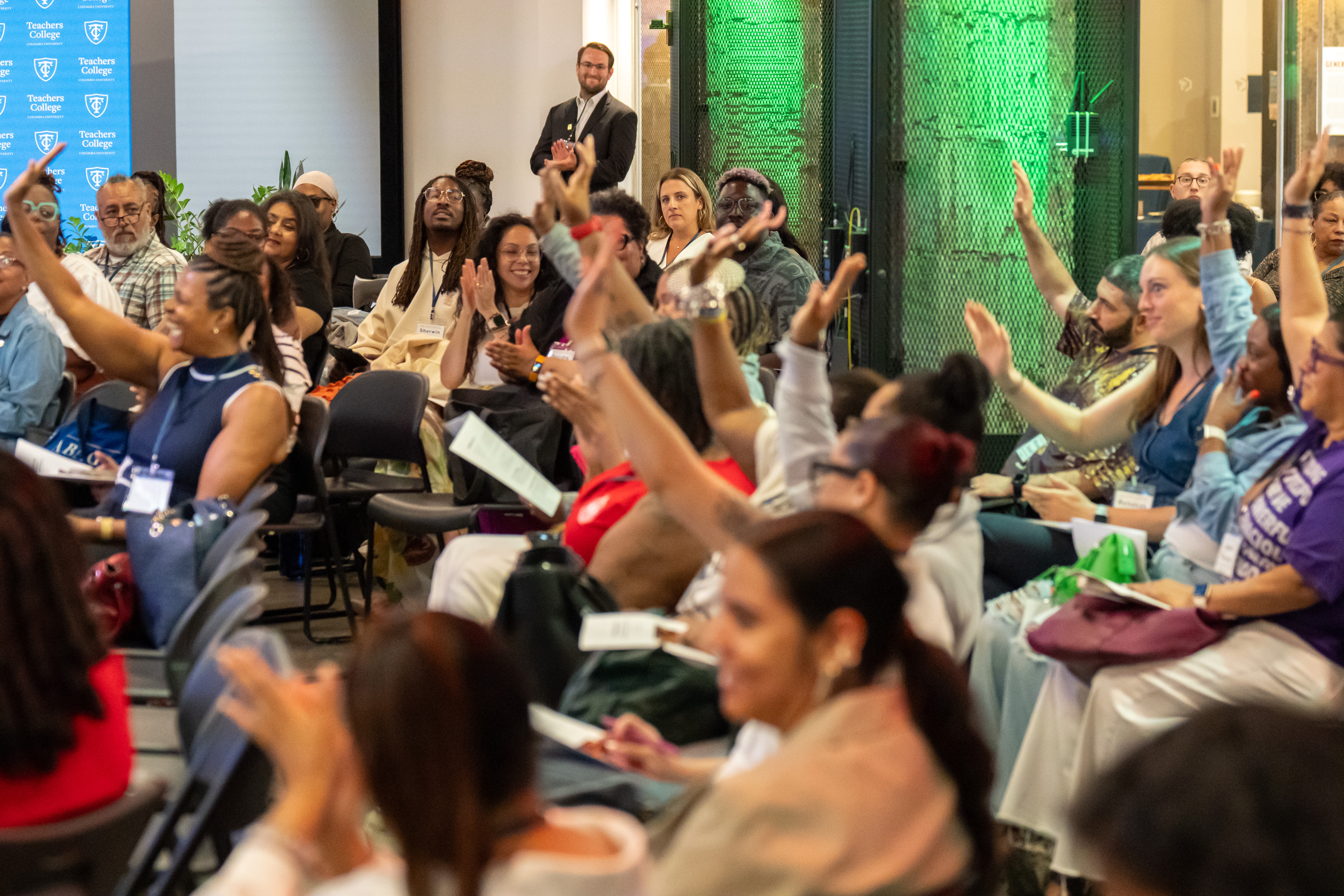
Each year, the BERC Summer Conference cultivates a collaborative learning community committed to reimagining education through Black studies—centering African diasporic histories, literacies, and epistemologies as foundational to teaching, learning, and the practice of freedom.
Carousel
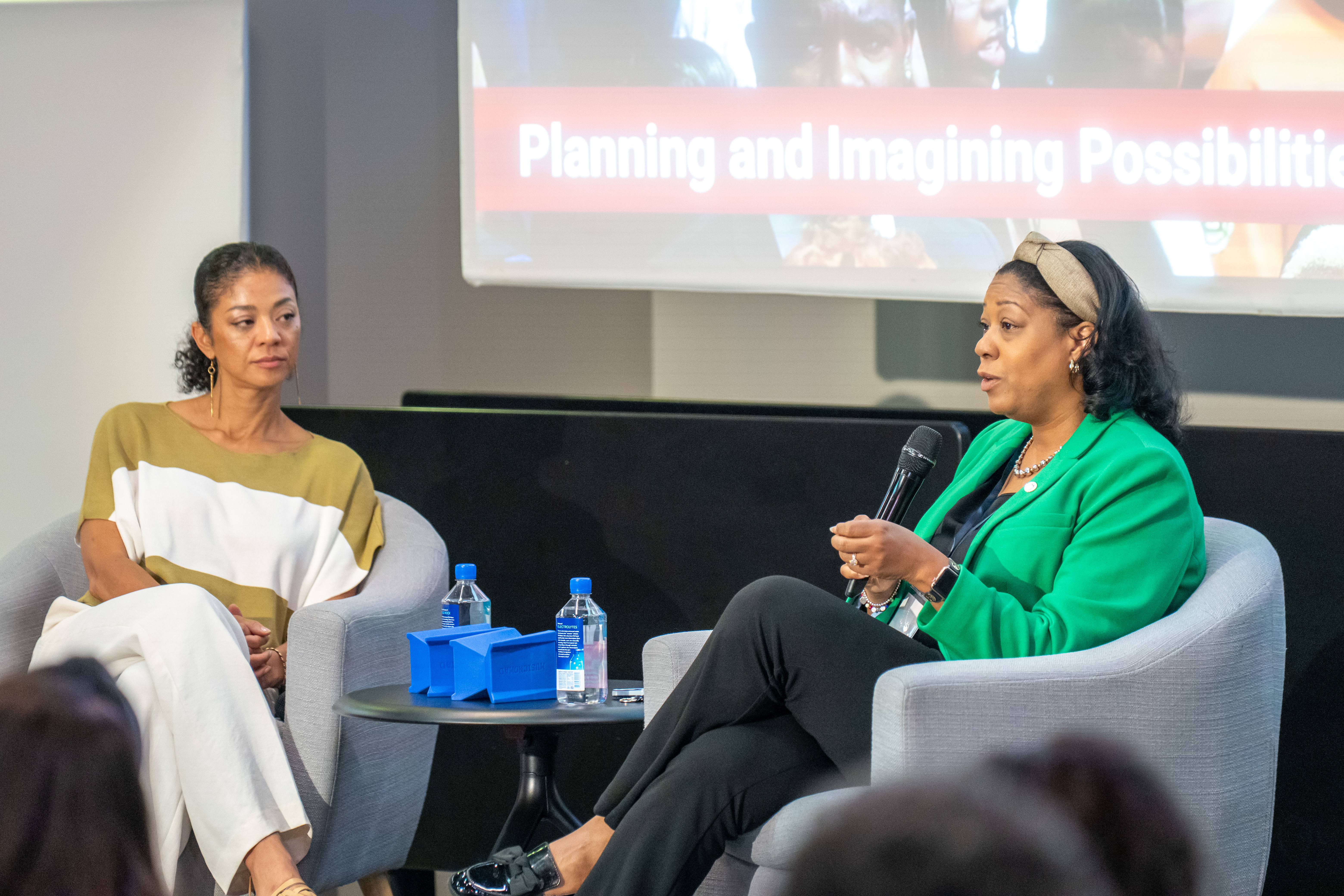
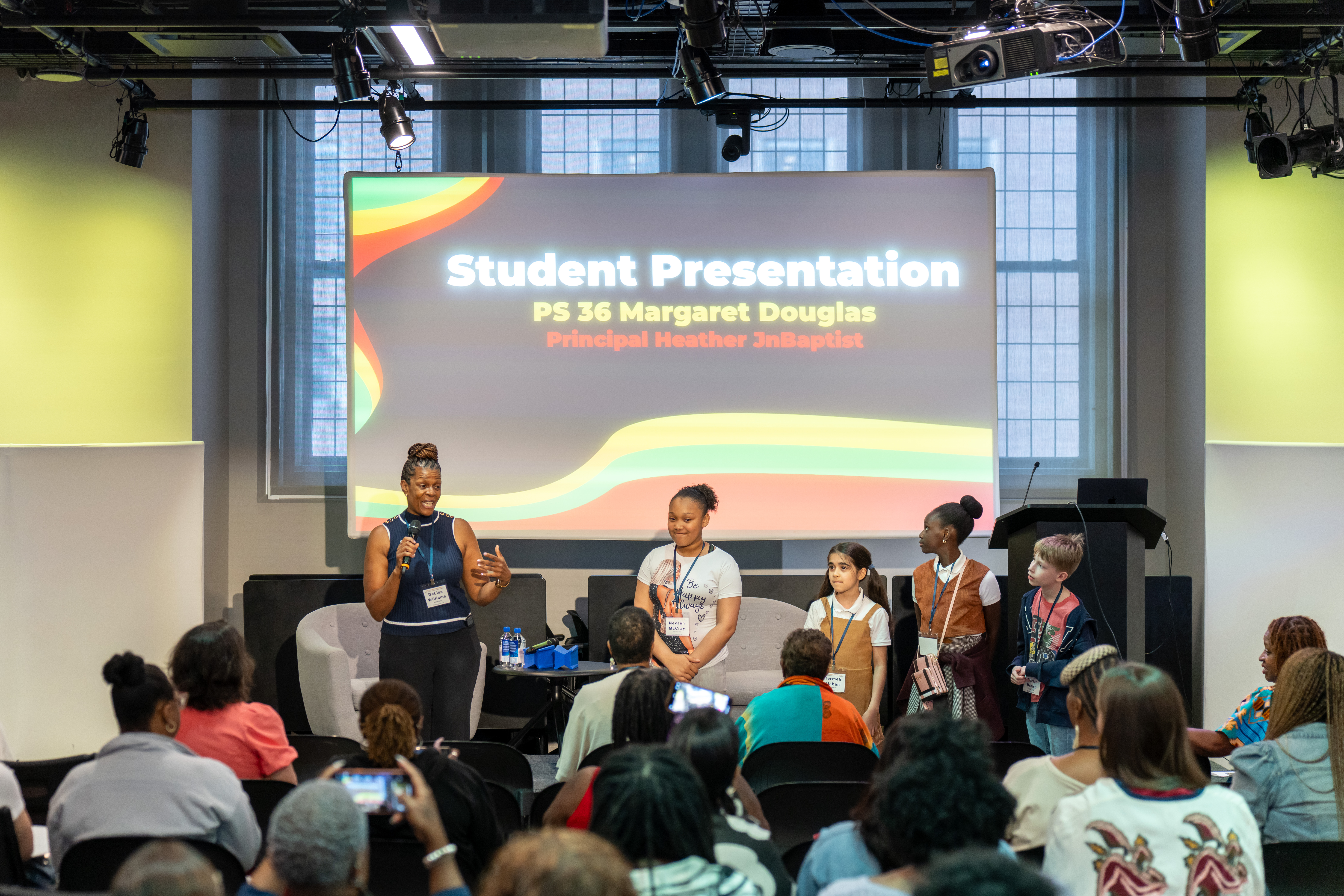
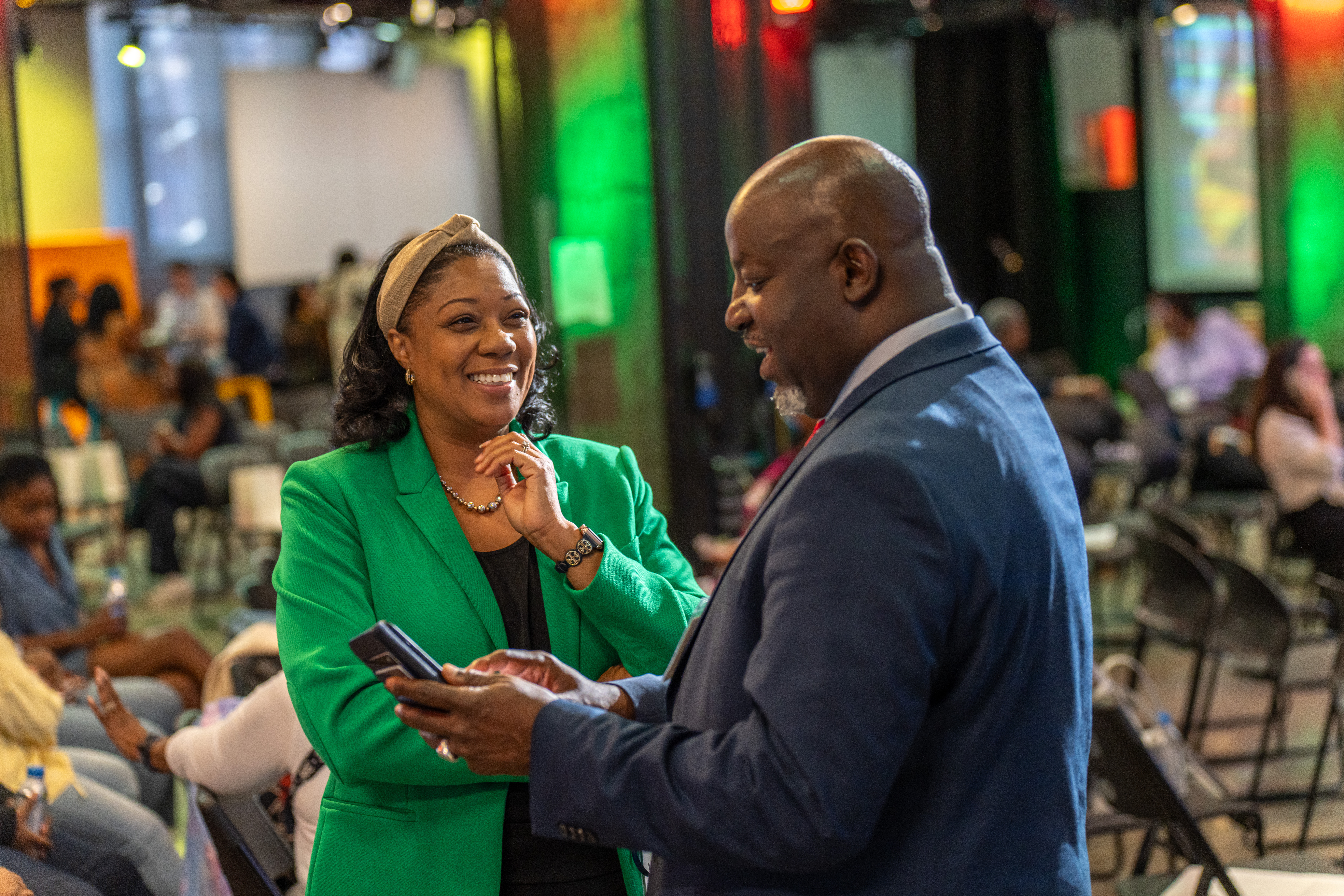
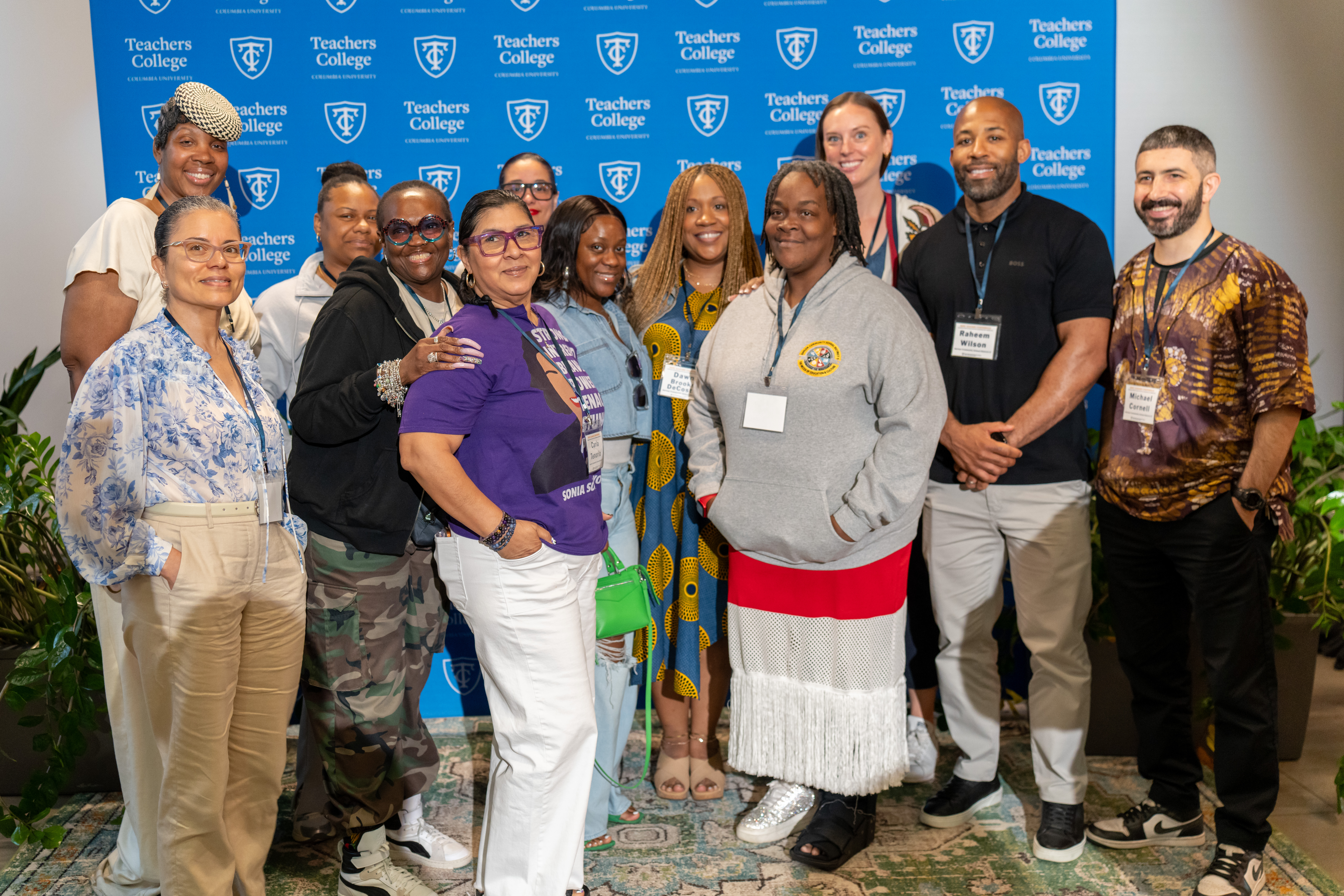
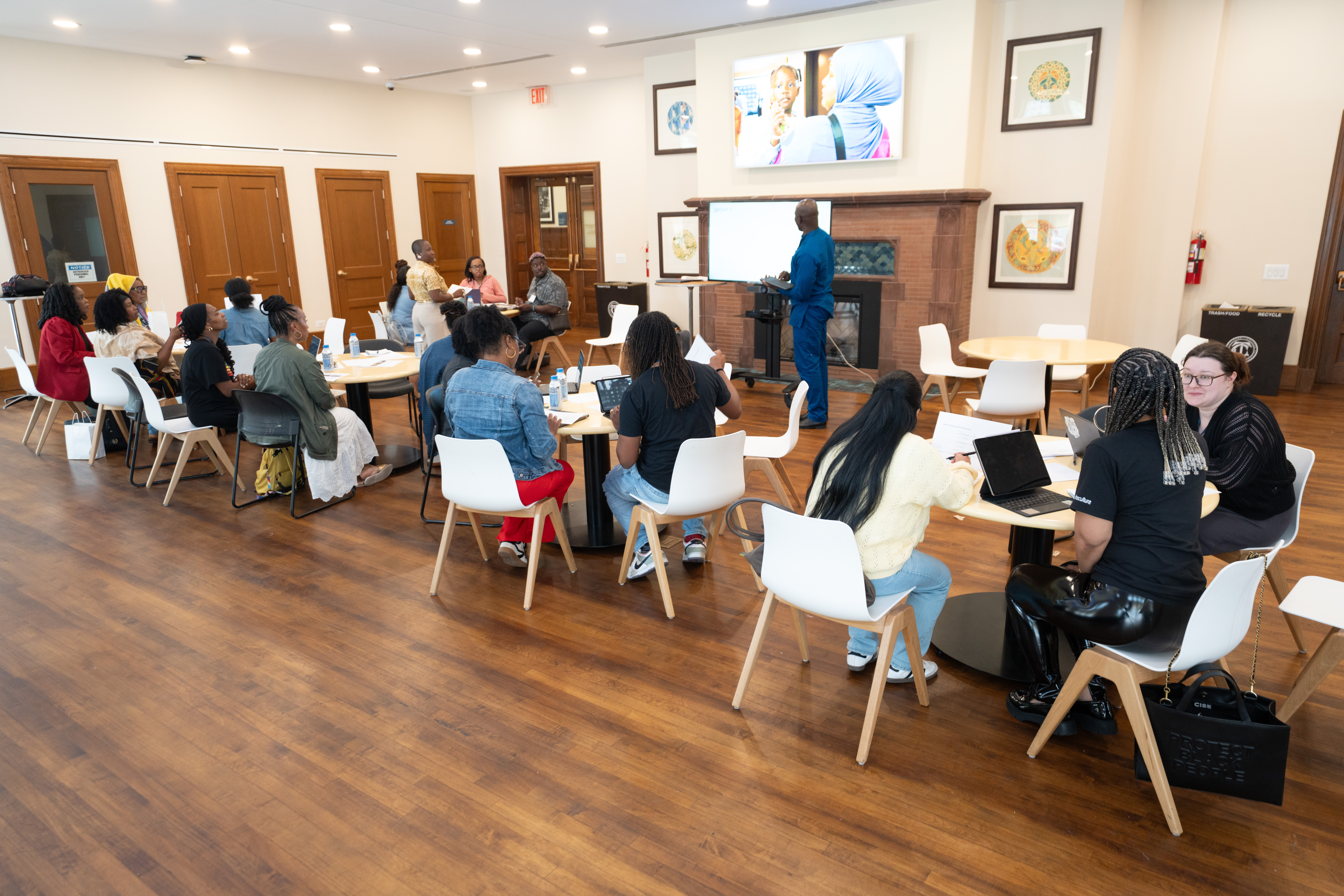
2026 Conference Theme
From Equity to Emancipation: Black Studies as the Practice of Freedom in NYC Schools
This year's conference theme provides teachers, school leaders, policy makers, and community educators an opportunity to reclaim the emancipatory power of education. Despite the long shadow of “mis-education” and separate and unequal education that continues to cast itself upon U.S. public schools, the fight for educational equality and opportunity continues. The current political landscape requires those concerned with the future of K-12 education to shift our collective focus from equity as a means of “ensuring that everyone gets what they need,” to emancipation as the process of “ensuring that everyone is free” or “getting free.” This is not to abandon the goals of equity, but acknowledging that until all of us are free, none of us truly are (Hamer, 1971).
One promising project is the implementation of Black Studies as the Study of the World: A PK-12 Black Studies Curriculum for New York City Public Schools, —a timely and relevant example of how PK-12 educators, policymakers, and researchers can work together to harness the power of knowledge, resources, and leadership to plant the seeds of educational transformation and systemic change. The provision of Black studies in PK-12 education represents a unique opportunity to correct, enrich, and supplant where necessary, existing curricula, and advance a more comprehensive and inclusive learning experience for all students.
By attending this year’s conference, participants will be equipped to advance, support, and engage with the three essential functions of Black studies (Gordon & Brown, 2025):
- Memorialize and explain the African experience in the Americas,
- Document the evolution and achievements of Black people in the Americas, and
- Provide analytical frameworks for understanding Black experience and beyond.
The urgency of the present political moment demands a fundamentally emancipatory approach to education—one that reimagines research and policy not as neutral or technocratic endeavors, but as instruments of collective freedom and human flourishing. Education remains the most powerful path toward consciousness and freedom from mental bondage. Through Black studies, we find not only a framework for understanding the world, but a liberatory way of being in it—fulfilling the enduring call to move from equity to emancipation.
In community,
Black Education Research Center
References
Gordon, E. W., & Brown, M. C. (2025). The three essential functions of Black studies: A clear and unwavering argument. Black Education Research Center, Teachers College, Columbia University.
Hamer, F. L. (2011). "Nobody's free until everybody's free,": Speech delivered at the founding of the National Women's Political Caucus in Washington, D. C., July 10, 1974. In M. P. Brooks & D. W. Houck (Eds.), The speeches of Fannie Lou Hamer: To tell it like it is (pp. 134-139). University Press of Mississippi.
Agenda
*Please be advised that the agenda is subject to change as final details are confirmed.
8:00 AM | Check-in & Breakfast
Attendees are invited to check in and enjoy complimentary breakfast refreshments.
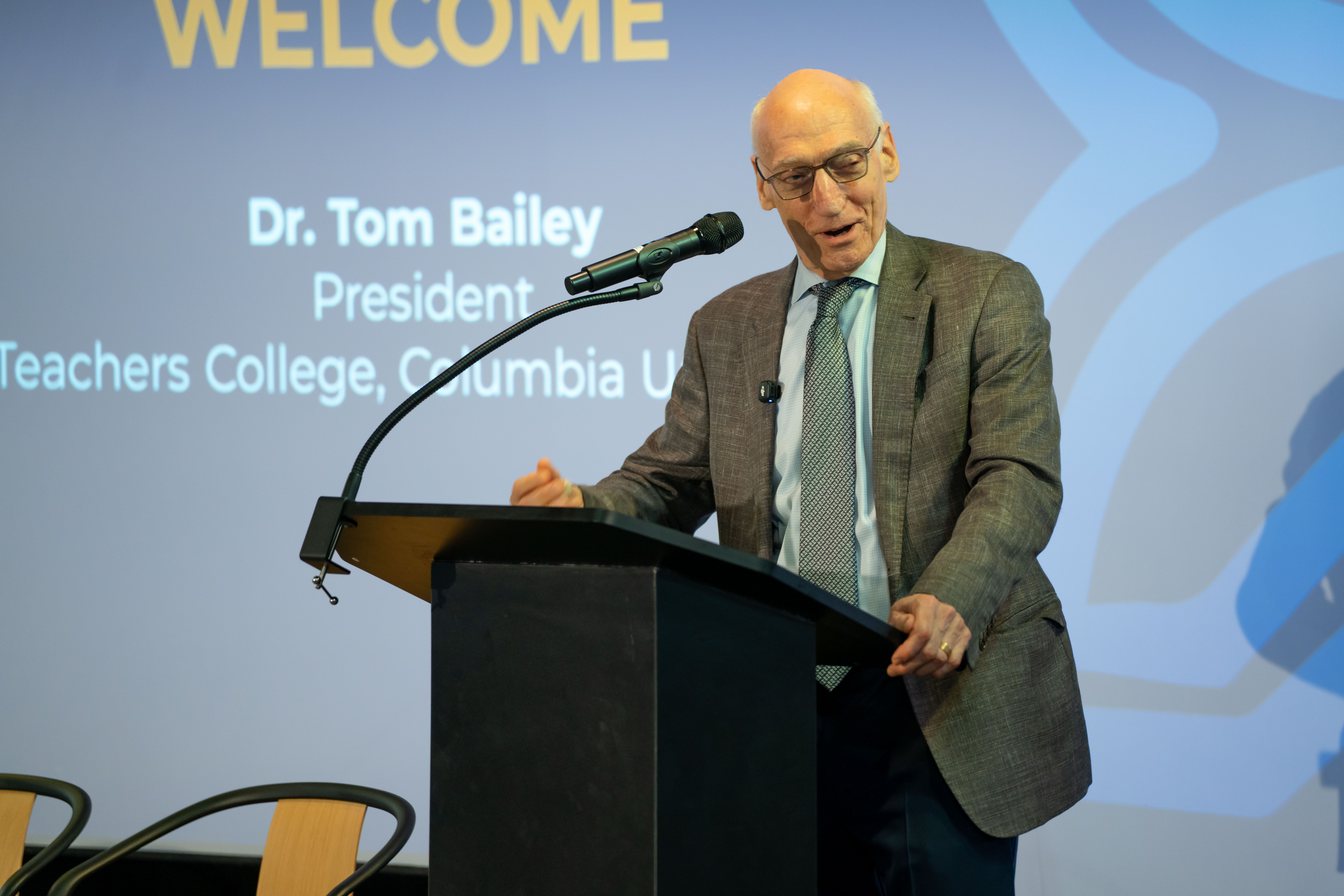
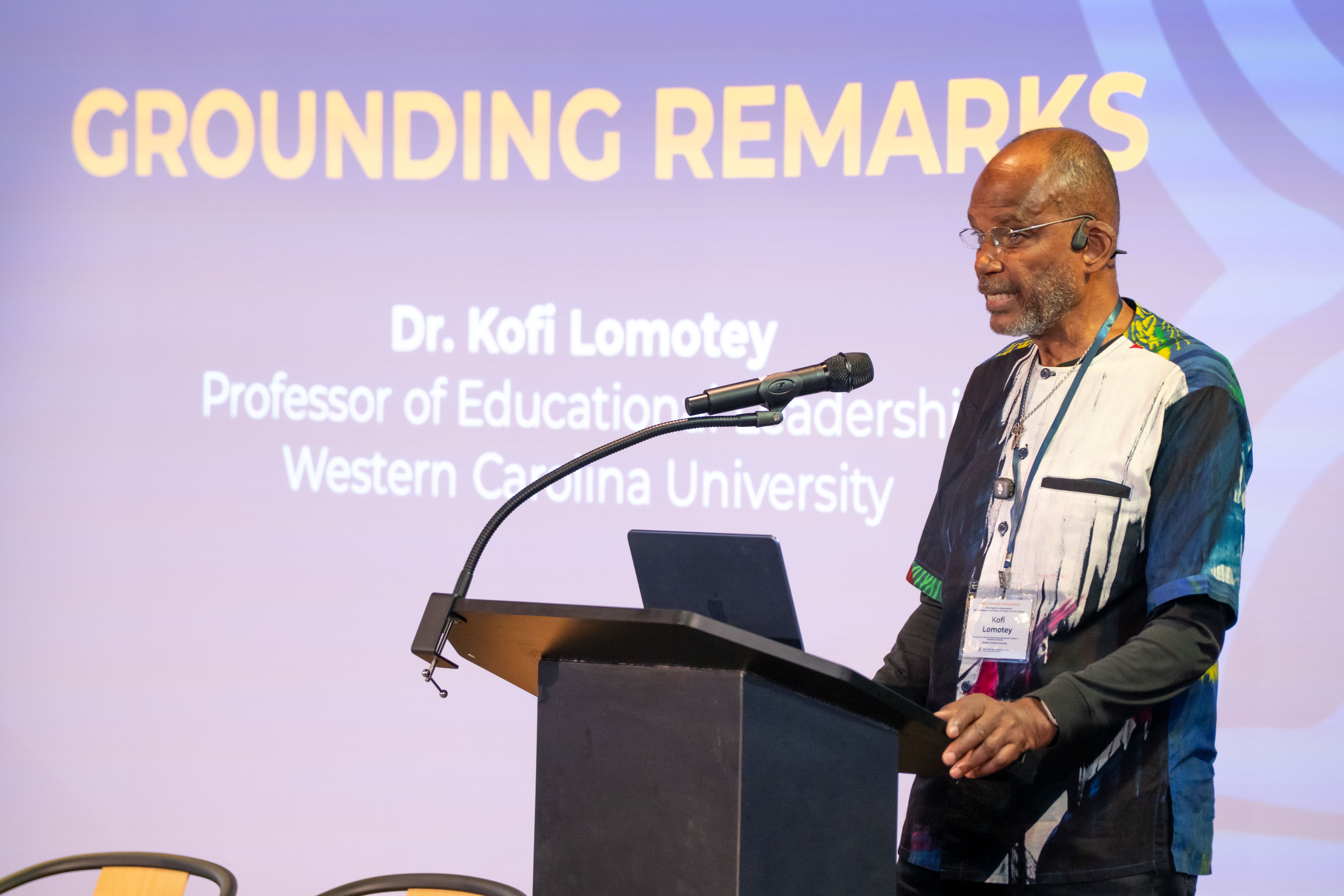
9:00 AM | Welcome & Grounding
Professor of Education Leadership and Founding Director of the Black Education Research Center, Dr. Sonya Douglass, will welcome attendees, followed by grounding remarks from Dr. Kofi Lomotey, BERC Advisory Board Member and Chancellor John Bardo & Deborah Bardo Distinguished Professor of Educational Leadership at Western Carolina University
Sonya Douglass, Ed.D.
Professor and Founding Director, Black Education Research Center, Teachers College, Columbia University
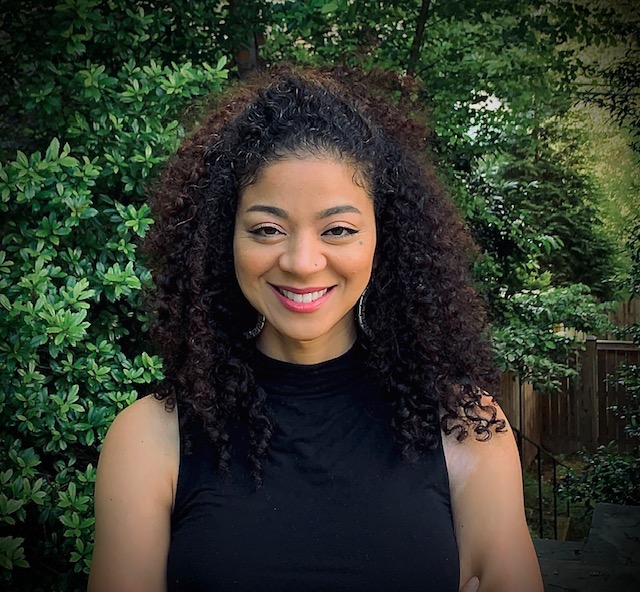
Sonya Douglass, Ed.D. is Professor and Chair of the Department of Organization and Leadership at Teachers College, Columbia University and Vice President of Division L: Educational Policy & Politics of the American Educational Research Association (AERA). Her research interests include: education policy, politics, and leadership; school segregation and desegregation; critical race theory in education; Black and African American education and leadership; and leadership for social justice. She has published numerous journal articles and five books including: Learning in a Burning House: Inequality, Ideology, and (Dis)integration (Teachers College Press, 2011) and The Politics of Education Policy in an Era of Inequality: Possibilities Toward Democratic Schooling (Routledge, 2019, 2025).
Dr. Douglass serves as Founding Director of the Black Education Research Center (BERC) at Teachers College, which analyzes and conducts research focused on improving the educational experiences and outcomes of Black students in the U.S. and throughout the world. In this role, she serves as principal investigator of New York City’s Education Equity Action Plan, a multi-million dollar project dedicated to the design, development, and implementation of what would become the nation’s first-ever PK-12 interdisciplinary Black studies curriculum - Black Studies as the Study of the World: A PK-12 Black Studies Curriculum for New York City Public Schools.
Douglass also serves as Co-Director of the Urban Education Leaders Program (UELP) - Teachers College, Columbia University’s doctoral program for aspiring district-level educational leaders. She previously served as faculty coordinator for the United States-South Africa Racial Justice Fellowship Program, a partnership between Teachers College and University of KwaZulu-Natal (UKZN) funded by the U.S. Department of State, and board member for the Lemann Center for Leadership and Equity in Education (Centro Lemann de Liderança Para Equidade Na Educação) headquartered in Brazil.
Her current research focuses on how executive and systems-level leaders understand and develop their capacity and capabilities to lead organizations for racial equity and social change.
Kofi Lomotey, Ph.D.
Chancellor John Bardo & Deborah Bardo Distinguished Professor of Educational Leadership, Western Carolina University
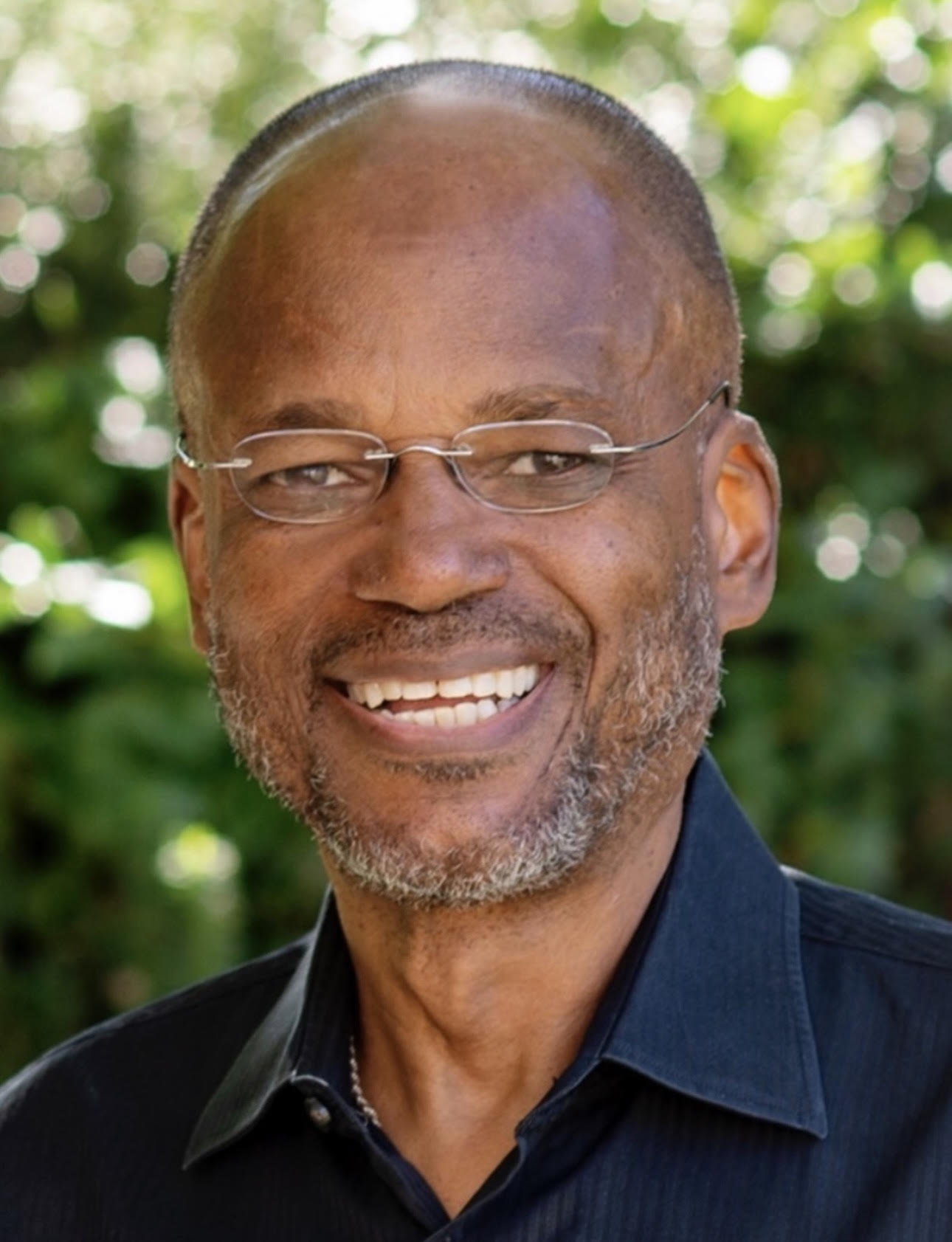
Kofi Lomotey is the Chancellor John Bardo and Deborah Bardo Distinguished Professor of Educational Leadership at Western Carolina University, located in Cullowhee, North Carolina. For more than 50 years -- as a scholar and as a practitioner -- he has focused on the education of Black people. He has been a founder, teacher, and administrator at three independent African-centered schools. At the higher education level, he has been a university professor, department chair, provost, president, and chancellor.
Kofi’s research interests include urban schools, Black students in preK-12 and higher education, Black principals, and independent African-centered schools. He has published more than 80 books, refereed journal articles and book chapters. His most recent books are Justice for Black Students: Black Principals Matter, published in 2022 and The Racial Crisis in American Higher Education, Third Edition (co-edited with William A. Smith) in 2023. He is the senior editor of the second edition of The SAGE Encyclopedia of African American Education, due out in 2027.
Kofi is a Fellow of the American Educational Research Association (AERA). In 2020, he received the Roald F. Campbell Award from the University Council for Educational Administration (UCEA), an annual award that recognizes a senior professor of educational leadership for a lifetime of excellent achievement. He received the 2025 David G. Imig Distinguished Service Award from The Carnegie Project on the Education Doctorate (CPED).
Kofi earned a BA degree in economics from Oberlin College, an MEd degree in curriculum & instruction from Cleveland State University and MA and PhD degrees from Stanford University in educational administration.
Kofi has been married to Aama Nahuja for 49 years. They have a daughter, two sons and five grandchildren.
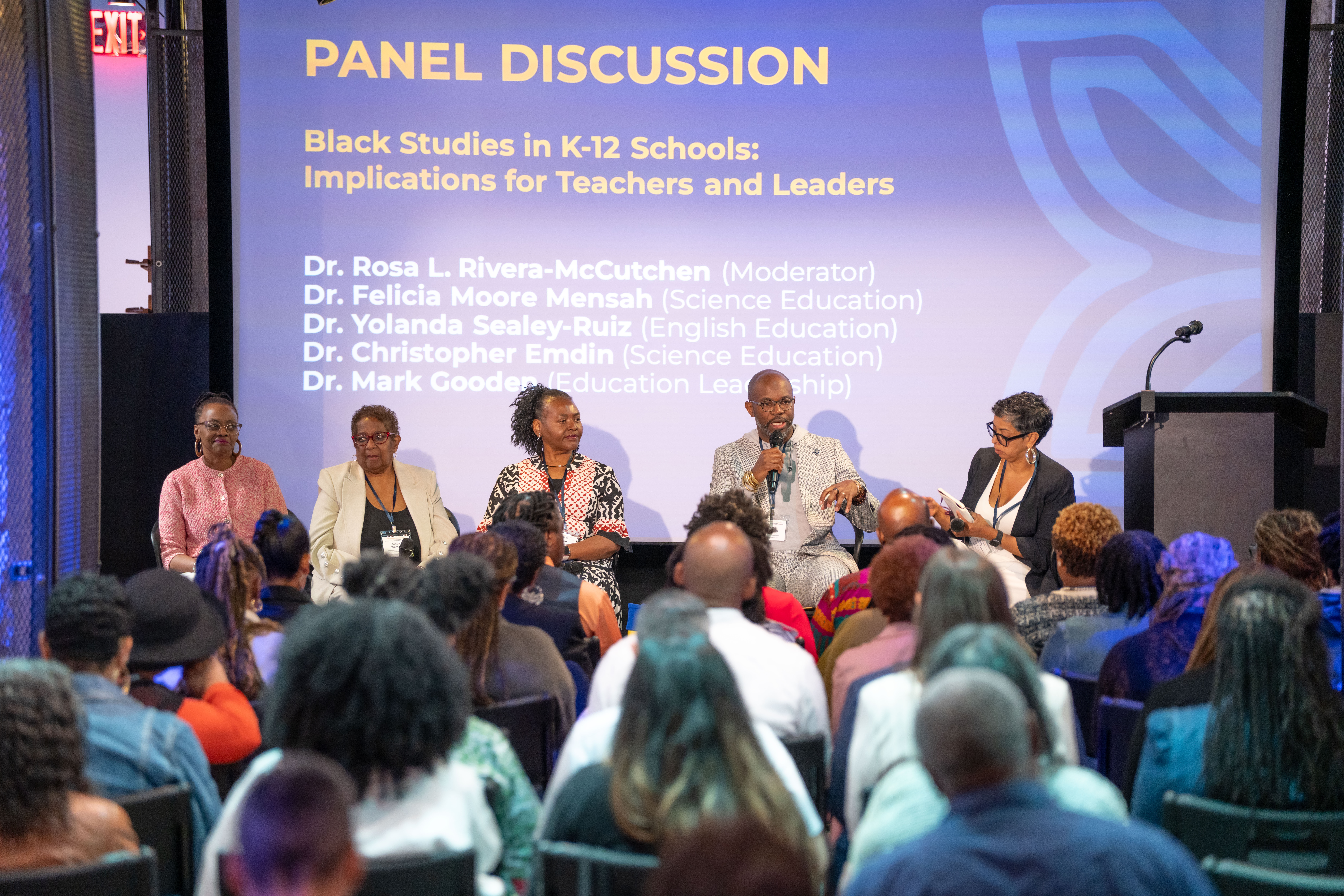
9:45 AM | Panel
“Black Studies in K-12 Schools: Implications for Teachers and Leaders”
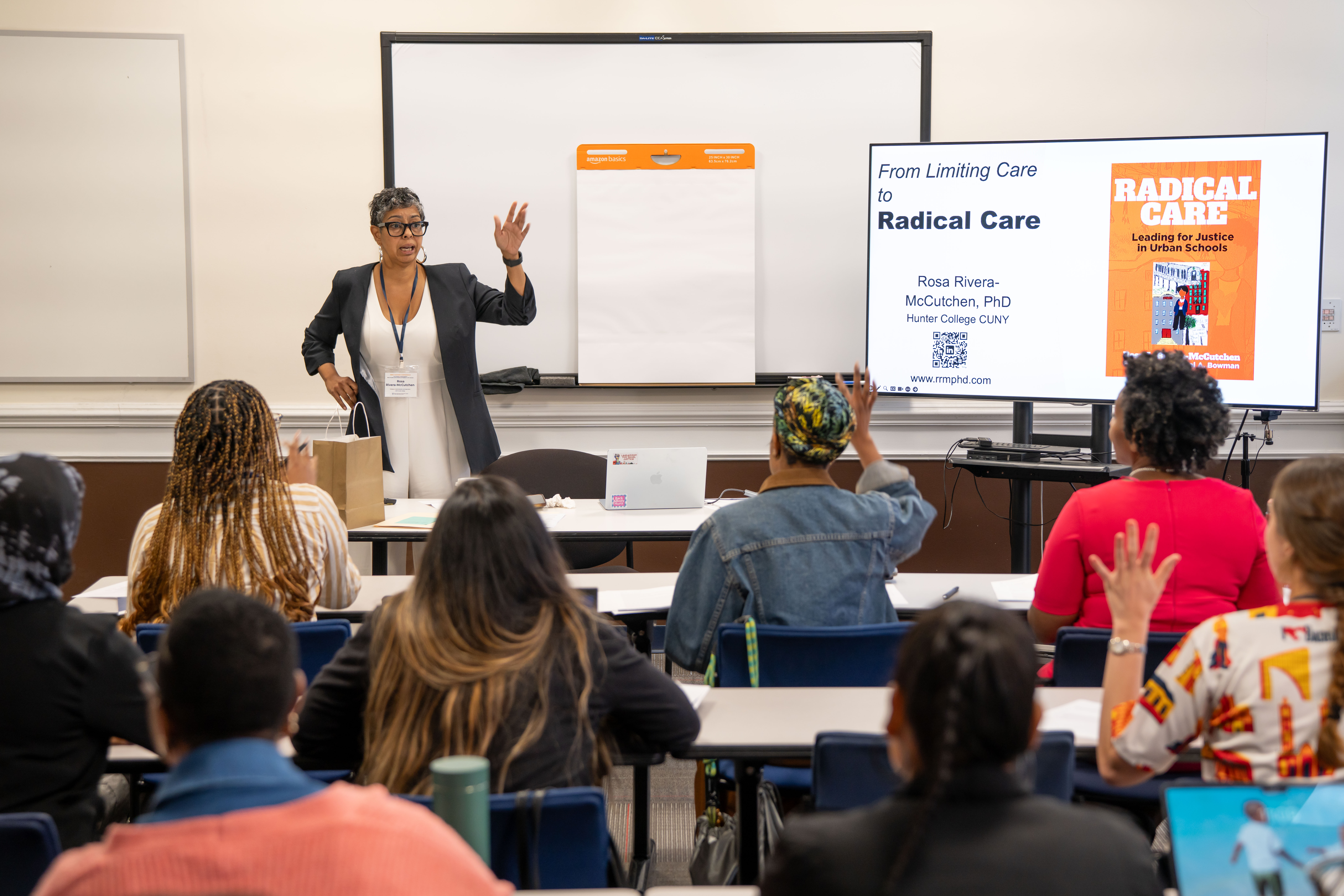
Moderated by Dr. Rosa L. Rivera-McCutchen, CUNY Hunter College Professor of Administration and Supervision, the panel will feature Teachers College faculty discussing the integration of Black studies curriculum in PK-12 schools in NYC and its implications for teachers and school leaders.
Rosa L. Rivera-McCutchen, Ph.D.
Professor of Administration and Supervision, CUNY Hunter College
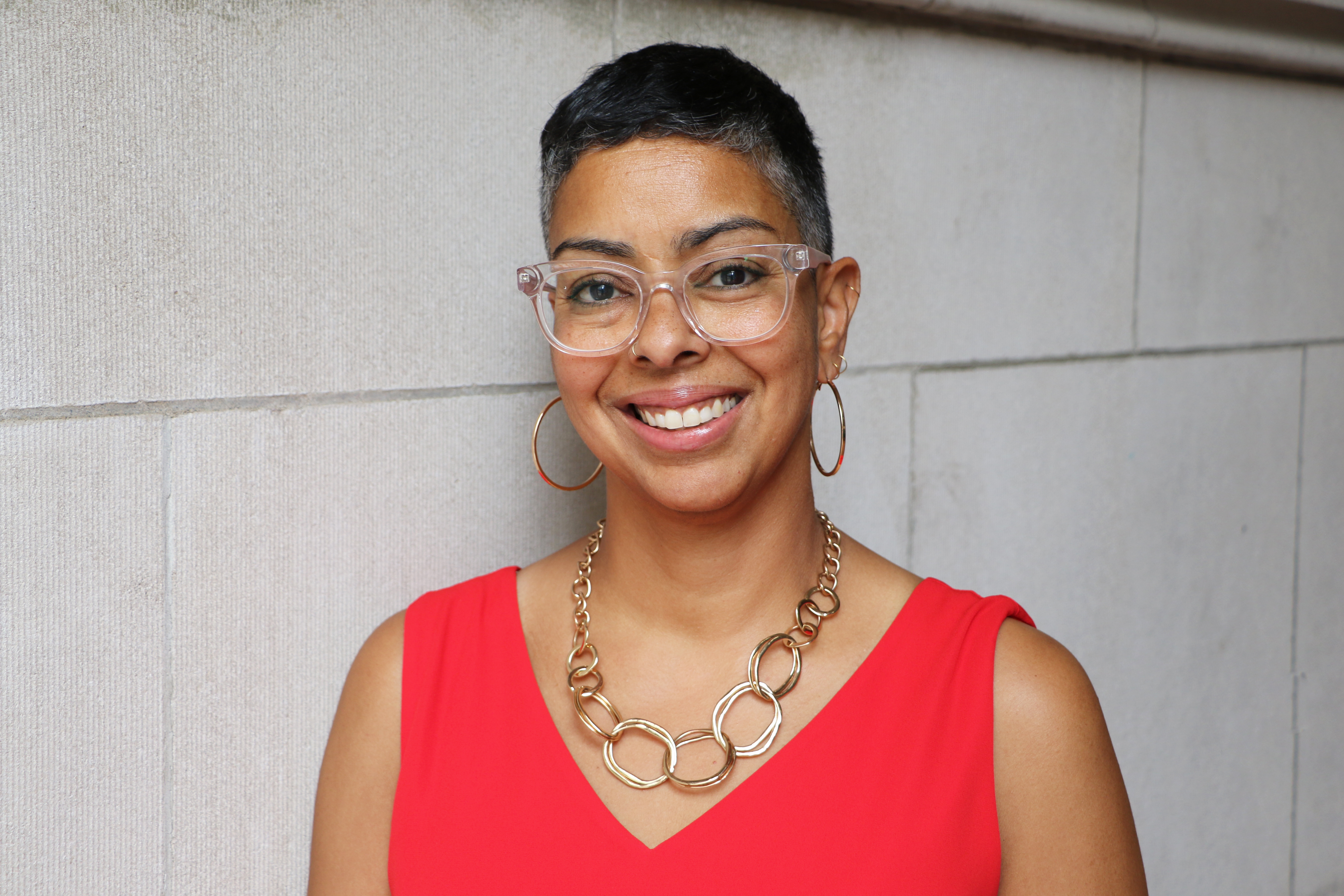
Dr. Rosa Rivera-McCutchen is a Professor of Administration & Supervision at CUNY Hunter College, a faculty affiliate in the CUNY Graduate Center’s Urban Education PhD program, and an affiliate of the NYU Metropolitan Center for Research on Equity and the Transformation of Schools. She began her career as a Bronx high school teacher before earning her doctorate in Teaching and Learning from New York University. Dr. Rivera-McCutchen’s scholarship, which examines educational leadership for equity and justice, has been published in leading journals including Educational Administration Quarterly, Teachers College Record, Urban Education, and the Journal of Cases in Educational Leadership. She is the author of Radical Care: Leading for Justice in Urban Schools, which explores how school leaders enact “radical care” by centering anti-racism and equity in their practice. A sought-after speaker and professional development facilitator, Dr. Rivera-McCutchen has delivered keynote addresses, workshops, and training sessions on Radical Care to audiences across the United States and internationally. Her research has been supported by major funders including the Institute of Education Sciences, US Department of Education Office of Special Education Programs, Spencer Foundation, and the New York State Education Department.
Christopher Emdin, Ph.D.
Professor of Science Education, Maxine Greene Chair for Distinguished Contributions to Education, Teachers College, Columbia University
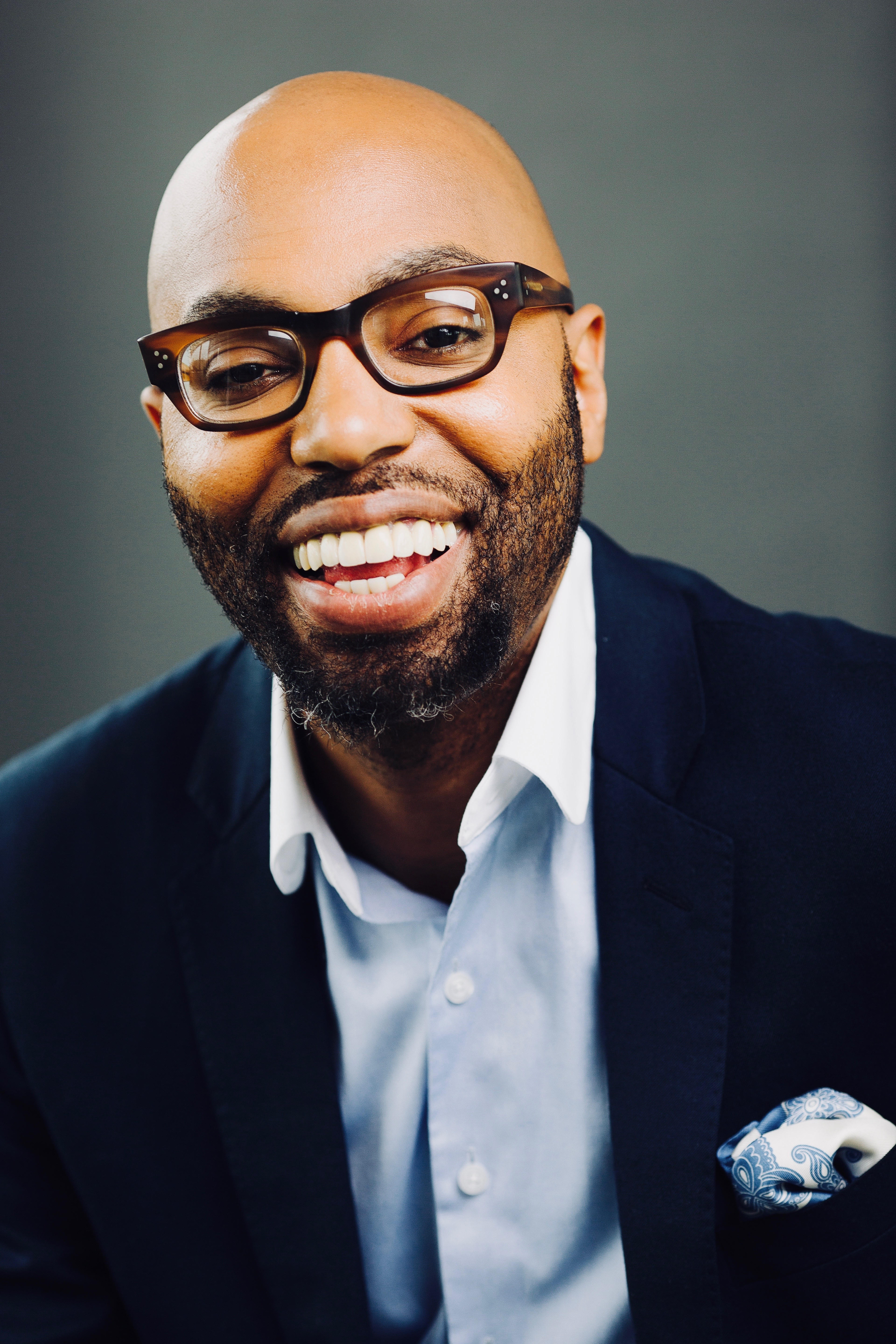
Dr. Christopher Emdin is the Maxine Greene Chair for Distinguished Contributions to Education and Professor of Science Education at Teachers College, Columbia University. He is also the Director of Creativity, Innovation and Entrepreneurship At the STEAM DREAM and Ideal Lab.
He previously served as Robert Naslund Endowed Chair in Curriculum Theory at the University of Southern California, where he was Director of Youth and Community Partnerships at the USC Race and Equity Center.
Dr. Emdin is an alumni fellow at the Hip-hop Archive and Hutchins Center at Harvard University, Scholar in Residence at Lincoln Center for the Performing Arts and was STEAM Ambassador for the U.S. Department of State and Minorities in Energy Ambassador for the U.S. Department of Energy.
Dr. Emdin holds a Ph.D in Urban Education with a concentration in Mathematics, Science, and Technology; Masters degrees in both Natural Sciences and Education and Bachelors degrees in Physical Anthropology, Biology, and Chemistry.
He is the creator of the HipHopEd social media movement, Science Genius BATTLES and the CREATE Accelerator – an initiative that funds non-profits focused on culture and education. He has been named one of the 27 people bridging divides in the United States by Time magazine and the Root 100 list of most influential African Americans.
He is the author of numerous award winning works; including the Strage Prize awardee, Urban Science Education for the Hip-hop Generation and the New York Times bestseller, For White Folks Who Teach In the Hood and the Rest of Ya’ll too. His latest books are STEM STEAM Make Dream and Ratchetdemic: Reimagining Academic Success.
Mark Gooden, Ph.D.
Christian A. Johnson Endeavor Professor of Education Leadership, Teachers College, Columbia University
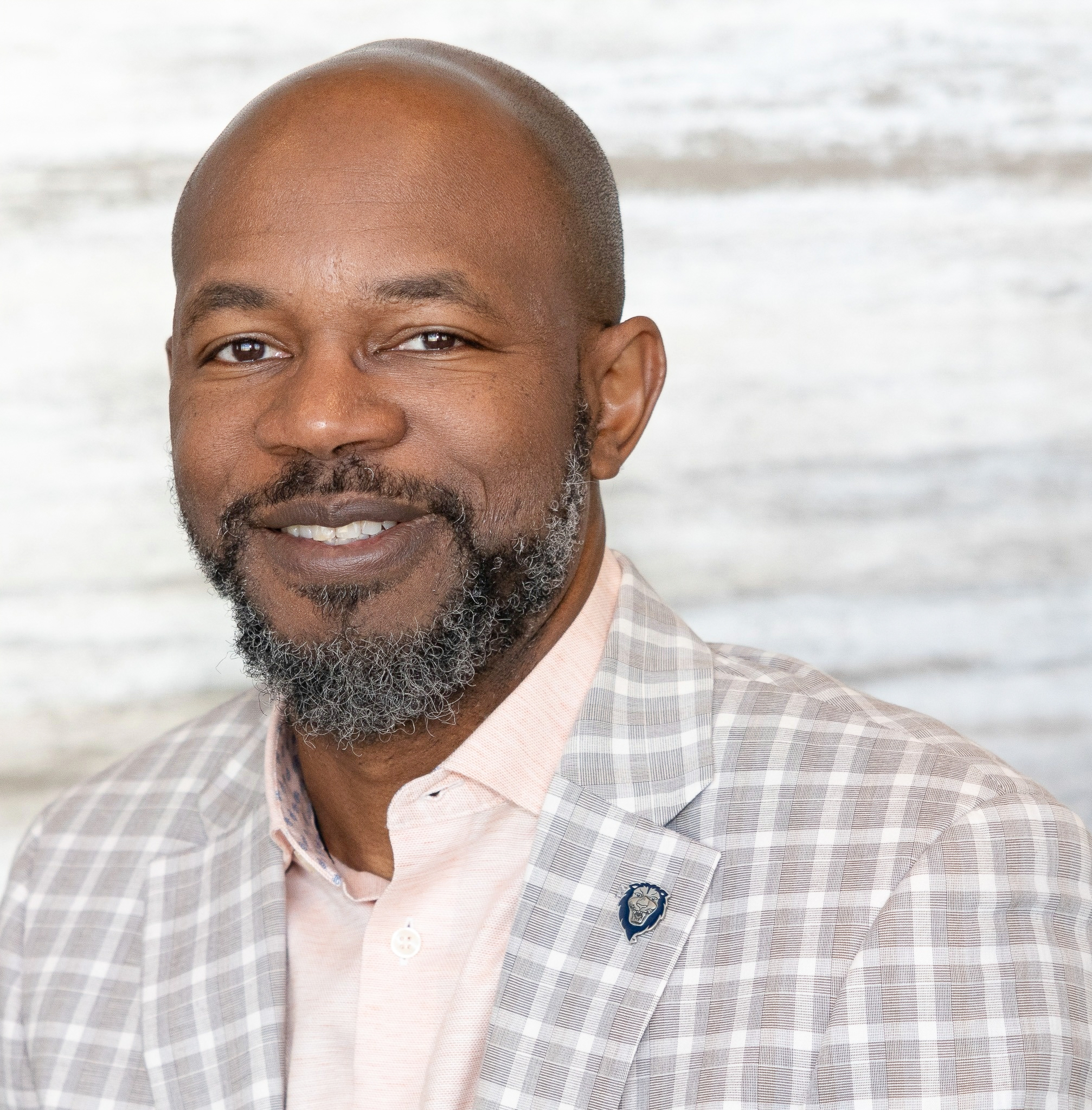
Mark Anthony Gooden, PhD, is Christian Johnson Endeavor Professor in Education Leadership at Teachers College, Columbia University. Dr. Gooden’s research focuses broadly on culturally responsive school leadership with specific interests in the principalship, anti-racist leadership, urban educational leadership, and legal issues in education.
Dr. Gooden is a past president of the University Council for Educational Administration (UCEA) and 2017 recipient of UCEA Jay D. Scribner Mentoring Award and 2021 recipient of the UCEA Master Professor Award for distinguished service in teaching, curriculum development, and student mentoring. He was inducted as an American Educational Research Association (AERA) Fellow in 2025.
Dr. Gooden is co-author of Five Practices for Equity-Focused School Leadership & The Change You Want to See: A Culturally Responsive and Affirming Approach to School Leadership. His research has appeared in a range of outlets including American Educational Research Journal, Educational Administration Quarterly, Teachers College Record, The Journal of Negro Education & Urban Education, Review of Educational Research, Educational Leadership, and Education Week.
Before entering higher education, Dr. Gooden served as a secondary mathematics teacher and departmental chairperson in Columbus Public Schools. He earned his BA in Mathematics from Albany State University (a Historically Black College/University) and his M.Ed. in Mathematics Education, a second master’s, and a PhD in Policy and Leadership, all from The Ohio State University.
Felicia Moore Mensah, Ph.D.
Professor of Science Education, Teachers College, Columbia University
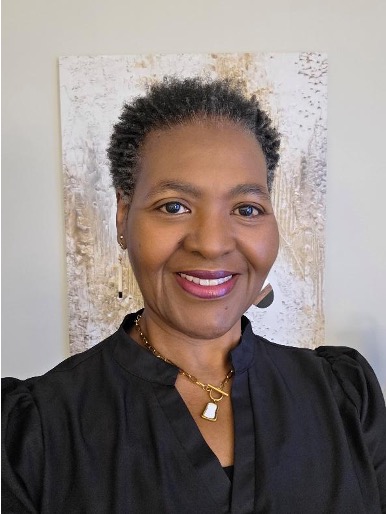
Felicia Moore Mensah is Professor of Science Education and Senior Associate Director of Research in the Edmund W. Gordon Institute of Advanced Study at Teachers College, Columbia University. She was also a former Associate Dean and Chair of the Department of Mathematics, Science, and Technology. Her research addresses issues of diversity, equity, and identity in science education. Professor Mensah’s most recent work utilizes critical race theory and intersectionality to transform teacher education research and practice, focusing on teacher educating, racial literacy, and race-visible pedagogies.
After working in the laboratories of a multinational consumer goods company and an extensive regional hospital system in North Carolina, Professor Mensah entered secondary science teaching. She later earned her doctoral degree from Florida State University and completed a postdoctoral fellowship and visiting faculty position at Michigan State University. Arriving at Teachers College more than 21 years ago, Professor Mensah has established herself as a respected scholar, empowering mentor, visionary leader, dedicated advocate, and collaborative colleague.
Among Professor Mensah’s recent honors and awards are the 2025 Urban Education’s Kofi Lomotey Outstanding Reviewer Award; the 2024 AERA Scholars of Color in Education Distinguished Career Contribution Award; the 2024 Outstanding Mentor Award from the Association for Science Teacher Education; and the Teachers College Elaine Brantley Memorial Award for Community & Civility. These awards recognized Professor Mensah’s significant research accomplishments, commitment to supporting students, teachers, and scholars, and her recognition of making Teachers College a better place to work and learn.
Professor Mensah is a Past President of the Sisters of the Academy Institute (SOTA), an organization dedicated to the success of Black women in higher education. Among other roles, she is a Lead Editor of Cultural Studies of Science Education and an associate editor of the Learners of the African Diaspora Journal (LADJ). She is the author of “Like Words Falling onto the Page: Demystifying the Academic Writing and Publishing Process” and “The Baby Qual Podcast,” both of which support academic writers.
Yolanda Sealey-Ruiz, Ph.D.
Professor of English Education, Teachers College, Columbia University
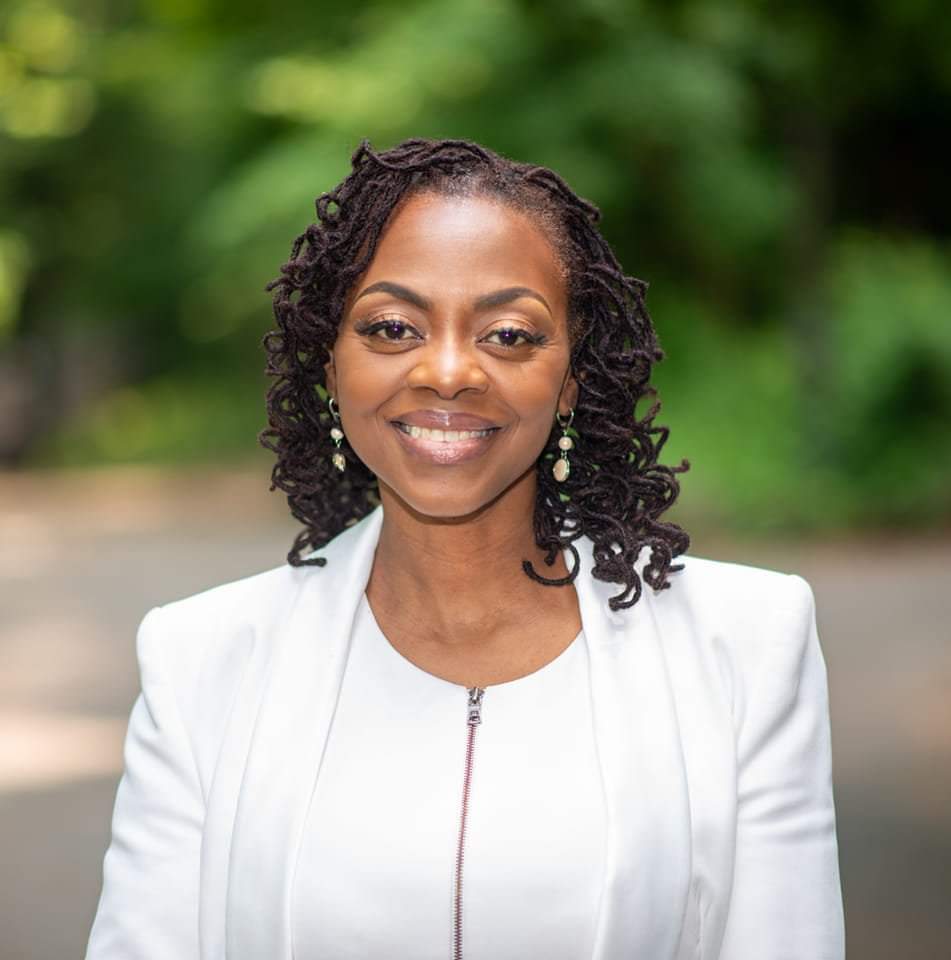
Yolanda Sealey-Ruiz, Ph.D. is a Professor of English Education at Teachers College, Columbia University, and the 2024 Dorothy Height Distinguished Alumni Awardee from New York University. Her research, published in leading academic journals, centers on racial literacy and educational equity.
She is co-editor of five books, including All About Black Girl in Education: bell hooks and Pedagogies of Love (2024), and co-author of the multiple award-winning Advancing Racial Literacies in Teacher Education: Activism for Equity in Digital Spaces (2021), where she introduces her Archaeology of Self® concept and Racial Literacy Development Model (RLDM). Her forthcoming book, Archaeology of Self: The Introspective Educator’s Guide to Racial Literacy, will be released by Routledge in Summer 2026.
For five consecutive years, Yolanda has been named an EdWeek EduScholar Influencer, recognizing her among the top 1% of education research scholars in the country. She is the founder of the Racial Literacy Project @TC and the Racial Literacy Roundtable Series, which for 19 years has convened scholars, educators, and students for critical dialogue on race and diversity.
Her work has been featured in the documentaries 2 Fists Up: We Gon’ Be Alright (2016) and Defining Us: Children at the Crossroads of Change (2022). She is also the author of two poetry collections, Love from the Vortex & Other Poems (2020) and The Peace Chronicles (2021) and is currently writing a third collection reflecting on her childhood in the South Bronx during the 1980s. In 2022, Yolanda delivered her TEDx Talk, Truth, Love & Racial Literacy, at the University of Pennsylvania.
Connect with Yolanda on BlueSky (@sealeyruiz.bsky.social) and Instagram (@yolie_sealeyruiz).
10:45 AM | Break
11:00 AM | Workshop Series A
Black Studies, STEM Emancipation, and You
Using the theme from the conference as emancipation as the process of “ensuring that everyone is free” or “getting free”, this workshop takes on the idea of emancipating the STEM curriculum for Black Studies. We will work toward challenging the traditional STEM curriculum and generating ideas for a more accessible and engaging STEM curriculum by noting Black STEM individuals as critical contributors. The workshop focuses on one of three essential functions of Black Studies—document the evolution and achievements of Black people in the Americas (Gordon & Brown, 2024). Teachers, curriculum developers, and coaches across all grades and content areas are welcome. Come and see how you can emancipate your STEM learning and become more familiar with the Black Studies as the Study of the World curriculum.
Felicia Moore Mensah, Ph.D.
Professor of Science Education, Teachers College, Columbia University
Felicia Moore Mensah is Professor of Science Education and Senior Associate Director of Research in the Edmund W. Gordon Institute of Advanced Study at Teachers College, Columbia University. She was also a former Associate Dean and Chair of the Department of Mathematics, Science, and Technology. Her research addresses issues of diversity, equity, and identity in science education. Professor Mensah’s most recent work utilizes critical race theory and intersectionality to transform teacher education research and practice, focusing on teacher educating, racial literacy, and race-visible pedagogies.
After working in the laboratories of a multinational consumer goods company and an extensive regional hospital system in North Carolina, Professor Mensah entered secondary science teaching. She later earned her doctoral degree from Florida State University and completed a postdoctoral fellowship and visiting faculty position at Michigan State University. Arriving at Teachers College more than 21 years ago, Professor Mensah has established herself as a respected scholar, empowering mentor, visionary leader, dedicated advocate, and collaborative colleague.
Among Professor Mensah’s recent honors and awards are the 2025 Urban Education’s Kofi Lomotey Outstanding Reviewer Award; the 2024 AERA Scholars of Color in Education Distinguished Career Contribution Award; the 2024 Outstanding Mentor Award from the Association for Science Teacher Education; and the Teachers College Elaine Brantley Memorial Award for Community & Civility. These awards recognized Professor Mensah’s significant research accomplishments, commitment to supporting students, teachers, and scholars, and her recognition of making Teachers College a better place to work and learn.
Professor Mensah is a Past President of the Sisters of the Academy Institute (SOTA), an organization dedicated to the success of Black women in higher education. Among other roles, she is a Lead Editor of Cultural Studies of Science Education and an associate editor of the Learners of the African Diaspora Journal (LADJ). She is the author of “Like Words Falling onto the Page: Demystifying the Academic Writing and Publishing Process” and “The Baby Qual Podcast,” both of which support academic writers.
Using the Black Historical Consciousness Frame to Teach Through Black Histories Effectively
This workshop will provide teachers the opportunity to identify how Dr. LaGarrett King’s Black Historical Consciousness (BHC) principles can be utilized as an analytical framework for teaching the diversity of the Black experience. Teachers will brainstorm Black history curriculum as a means to teach through, not about Black history. This workshop will also include examples of primary, secondary, and media source best practices for selecting curriculum aligned with BHC principles. Black history pedagogies that embed practices of racial literacy will also be modeled as means for teachers to discuss and explore how to navigate the racialized experiences of teaching and learning Black history.
Abigail Henry
Schomburg Fellow and Doctoral Student, University of Buffalo
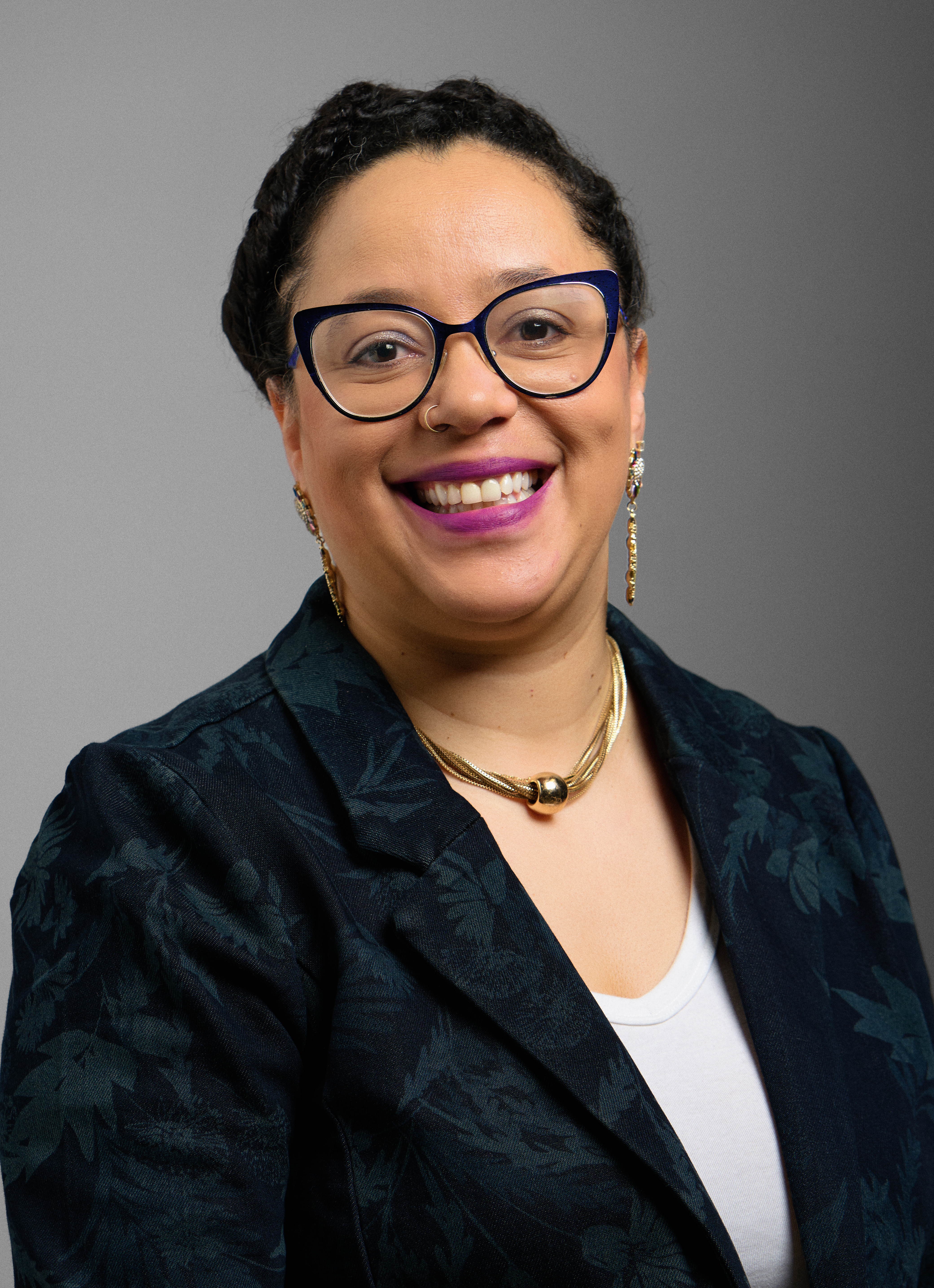
Abigail Henry is a Schomburg Fellow and doctoral student at University at Buffalo. Prior to moving to Buffalo, Abigail taught 9th grade African American History at a charter school in West Philadelphia for twelve years. Abigail has won Pulitzer Center grants to develop curriculum incorporating the 1619 Project, helped overhaul the historic twenty year update to the School District's of Philadelphia's African American History curriculum, and founded theBLKcabinet, a consultancy focused on Black history education and racial literacy development. As a graduate fellow at UB 's K-12 Teaching Black History and Racial Center she serves as the instructor for the Teaching Black History micro-credential program. In addition, she is a research fellow with Research for Action supporting participatory action research in Black teachers' experiences.
Disruption. Transformation. Opportunity: Resilience in Real Time - Workshop
This Workshop invites participants to sit honestly with this moment—where Black communities are navigating job loss, the erosion of voting rights, and the persistence of overt racism. This workshop holds space for truth while calling forth our courage and commitment to the justice we deserve. Together, we will explore how resilience is individual and collective—rooted in our histories, our bodies, and our communities.
Yolanda Sealey-Ruiz, Ph.D.
Professor of English Education, Teachers College, Columbia University
Yolanda Sealey-Ruiz, Ph.D. is a Professor of English Education at Teachers College, Columbia University, and the 2024 Dorothy Height Distinguished Alumni Awardee from New York University. Her research, published in leading academic journals, centers on racial literacy and educational equity.
She is co-editor of five books, including All About Black Girl in Education: bell hooks and Pedagogies of Love (2024), and co-author of the multiple award-winning Advancing Racial Literacies in Teacher Education: Activism for Equity in Digital Spaces (2021), where she introduces her Archaeology of Self® concept and Racial Literacy Development Model (RLDM). Her forthcoming book, Archaeology of Self: The Introspective Educator’s Guide to Racial Literacy, will be released by Routledge in Summer 2026.
For five consecutive years, Yolanda has been named an EdWeek EduScholar Influencer, recognizing her among the top 1% of education research scholars in the country. She is the founder of the Racial Literacy Project @TC and the Racial Literacy Roundtable Series, which for 19 years has convened scholars, educators, and students for critical dialogue on race and diversity.
Her work has been featured in the documentaries 2 Fists Up: We Gon’ Be Alright (2016) and Defining Us: Children at the Crossroads of Change (2022). She is also the author of two poetry collections, Love from the Vortex & Other Poems (2020) and The Peace Chronicles (2021) and is currently writing a third collection reflecting on her childhood in the South Bronx during the 1980s. In 2022, Yolanda delivered her TEDx Talk, Truth, Love & Racial Literacy, at the University of Pennsylvania.
Connect with Yolanda on BlueSky (@sealeyruiz.bsky.social) and Instagram (@yolie_sealeyruiz).
The Radical Care Framework: From Understanding to Action
Dr. Rosa Rivera-McCutchen will provide an overview of her Radical Care framework, with five interconnected components: adopting an anti-racist stance, cultivating authentic relationships, believing in capacity for excellence, leveraging power strategically, and embracing radical hope. Drawing from her research and personal journey from NYC public school student to educational leader, she challenges educators to examine how well-intentioned "limiting care” (i.e., lowering expectations, avoiding difficult conversations about race, performative diversity efforts) ultimately harms the students we aim to serve. Participants will engage in guided reflection to identify specific limiting care practices in their own contexts and analyze who is harmed versus who benefits from maintaining these practices. Attendees will draft concrete action plans for practicing Radical Care in their spheres of influence, build accountability partnerships for sustaining this work, and leave with tools, self-awareness, and a network committed to the transformation our students deserve.
Rosa L. Rivera-McCutchen, Ph.D.
Professor of Administration and Supervision, CUNY Hunter College
Dr. Rosa Rivera-McCutchen is a Professor of Administration & Supervision at CUNY Hunter College, a faculty affiliate in the CUNY Graduate Center’s Urban Education PhD program, and an affiliate of the NYU Metropolitan Center for Research on Equity and the Transformation of Schools. She began her career as a Bronx high school teacher before earning her doctorate in Teaching and Learning from New York University. Dr. Rivera-McCutchen’s scholarship, which examines educational leadership for equity and justice, has been published in leading journals including Educational Administration Quarterly, Teachers College Record, Urban Education, and the Journal of Cases in Educational Leadership. She is the author of Radical Care: Leading for Justice in Urban Schools, which explores how school leaders enact “radical care” by centering anti-racism and equity in their practice. A sought-after speaker and professional development facilitator, Dr. Rivera-McCutchen has delivered keynote addresses, workshops, and training sessions on Radical Care to audiences across the United States and internationally. Her research has been supported by major funders including the Institute of Education Sciences, US Department of Education Office of Special Education Programs, Spencer Foundation, and the New York State Education Department.
12:30 PM | Lunch
We invite attendees to enjoy a complimentary lunch.
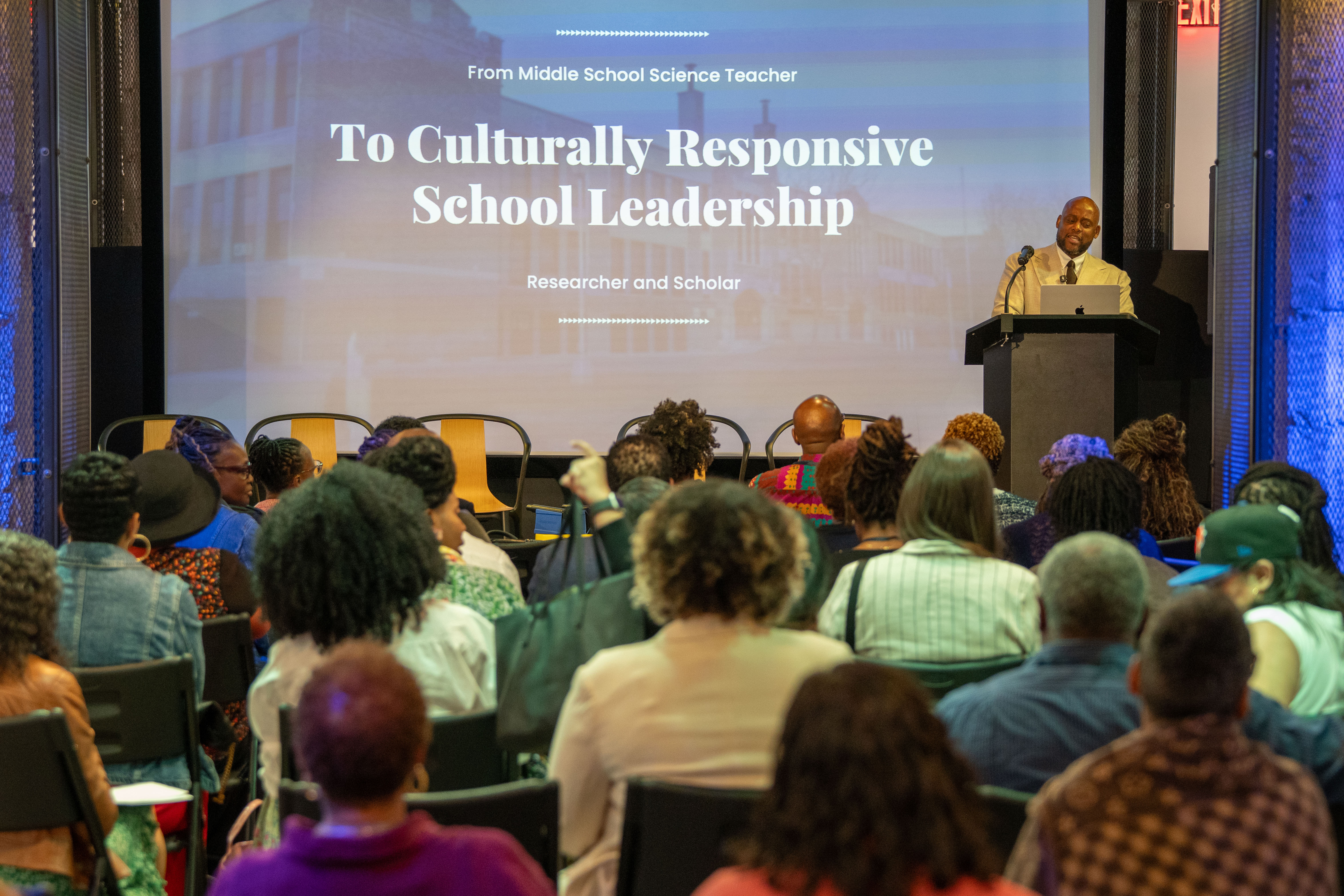
1:30 PM | Keynote Address: “Finding Community: Advancing Black Studies through Culturally Responsive Education and Leadership”
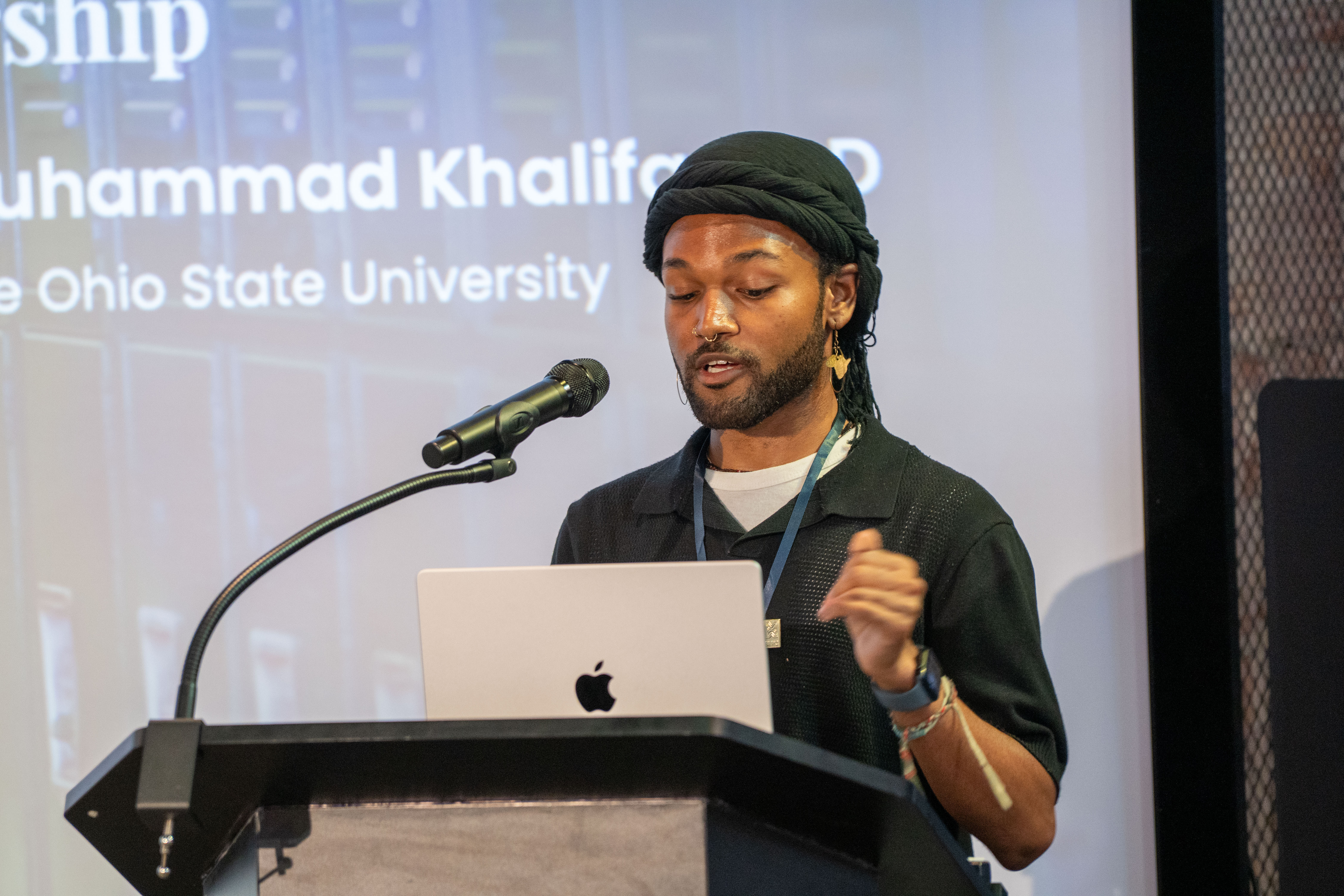
After lunch, Dr. Muhammad Khalifa, Professor of Educational Administration and the Executive Director of Urban and Rural Initiatives at The Ohio State University, will deliver the conference keynote address.
Muhammad Khalifa
Professor of Educational Administration, Executive Director of Urban and Rural Initiatives, The Ohio State University
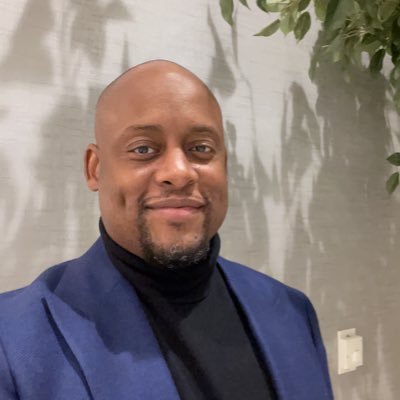
Dr. Muhammad Khalifa is President/CEO of the Culturally Responsive School Leadership Institute (crsli.org) and a professor of educational administration and Executive Director for Urban Education Initiatives at the Ohio State University. He has provided leadership development for over 6,000 district and school leaders through the institute, and has provided equity audits for school districts and universities across the U.S. But he is also one of the most celebrated researchers, as was awarded the prestigious AERA Excellence in Research Award (Division A, 2024). His latest book, Culturally Responsive School Leadership (2018, Harvard Education Press) is a top-seller and has been used in over 500 leadership preparation programs across the US and Canada. Through the Culturally Responsive School Leadership Institute, he and colleagues have developed CRSL academies, equity audits, and online learning modules that will help schools, leaders and systems become culturally responsive (crsli.org). The advanced opportunity/equity audit tool is a researched-based way to reduce achievement and discipline disparities in school. Dr. Khalifa has served as an educator and administrator in Detroit and has engaged in school leadership reform in African and Asian countries, as well as in Australia and Latin American contexts. His current book due out in 2025 is entitled Culturally Responsive Instructional Leadership: Centering Critical Self-Reflection and Community Knowledges in school.
2:45 PM | Break
3:00 PM | Workshop Series B
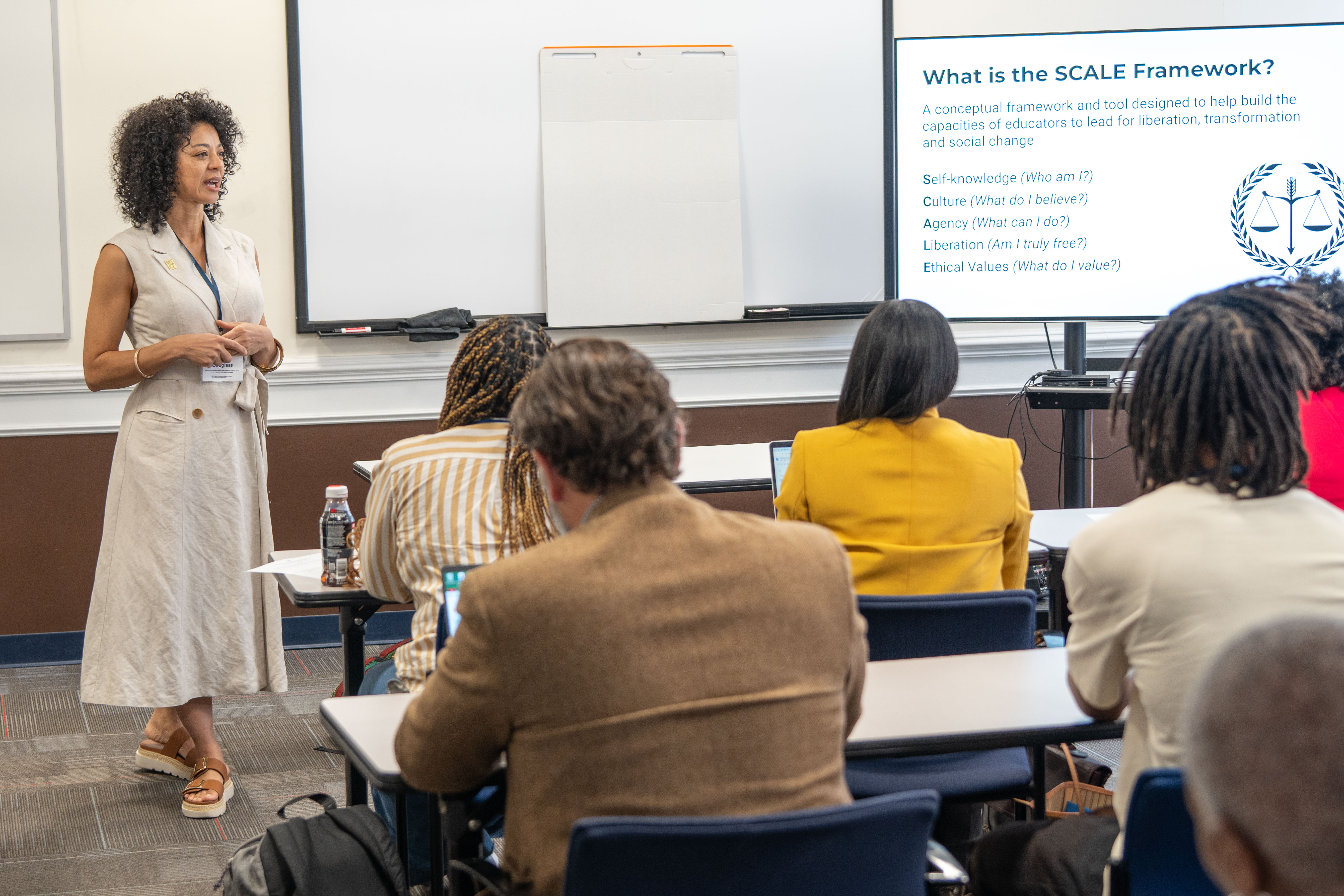
The SCALE Framework for Emancipatory Leadership
Professor Sonya Douglass introduces the SCALE Framework for Emancipatory Leadership—a transformative approach to educational leadership grounded in Self-knowledge, Culture, Agency, Liberation, and Ethical Values. This interactive workshop invites educators, researchers, and organizational leaders to critically examine how leadership can move beyond traditional equity frameworks toward emancipatory practices that cultivate collective freedom, human dignity, and transformative change. Participants will explore how the SCALE Framework can be applied across educational and organizational contexts to develop leaders capable of confronting injustice, reimagining institutions, and building liberatory futures through culturally grounded and ethically driven practice.
Sonya Douglass, Ed.D.
Professor and Founding Director, Black Education Research Center, Teachers College, Columbia University
Sonya Douglass, Ed.D. is Professor and Chair of the Department of Organization and Leadership at Teachers College, Columbia University and Vice President of Division L: Educational Policy & Politics of the American Educational Research Association (AERA). Her research interests include: education policy, politics, and leadership; school segregation and desegregation; critical race theory in education; Black and African American education and leadership; and leadership for social justice. She has published numerous journal articles and five books including: Learning in a Burning House: Inequality, Ideology, and (Dis)integration (Teachers College Press, 2011) and The Politics of Education Policy in an Era of Inequality: Possibilities Toward Democratic Schooling (Routledge, 2019, 2025).
Dr. Douglass serves as Founding Director of the Black Education Research Center (BERC) at Teachers College, which analyzes and conducts research focused on improving the educational experiences and outcomes of Black students in the U.S. and throughout the world. In this role, she serves as principal investigator of New York City’s Education Equity Action Plan, a multi-million dollar project dedicated to the design, development, and implementation of what would become the nation’s first-ever PK-12 interdisciplinary Black studies curriculum - Black Studies as the Study of the World: A PK-12 Black Studies Curriculum for New York City Public Schools.
Douglass also serves as Co-Director of the Urban Education Leaders Program (UELP) - Teachers College, Columbia University’s doctoral program for aspiring district-level educational leaders. She previously served as faculty coordinator for the United States-South Africa Racial Justice Fellowship Program, a partnership between Teachers College and University of KwaZulu-Natal (UKZN) funded by the U.S. Department of State, and board member for the Lemann Center for Leadership and Equity in Education (Centro Lemann de Liderança Para Equidade Na Educação) headquartered in Brazil.
Her current research focuses on how executive and systems-level leaders understand and develop their capacity and capabilities to lead organizations for racial equity and social change.
The Power of Song

Apollo Education will present one of its most popular workshops, Journey Through Song | Lyrics Across Time, an interactive exploration of how music can illuminate culture, society, and politics. In this workshop, attendees will examine the power of song lyrics to contextualize the past, reflect on the present, and imagine what the future can hold.
Through hands-on engagement, we will share our framework for teaching about the Black experience through song lyrics and its connections beyond. Using the performing arts as a foundation, participants will leave with practical strategies for helping students use song lyrics as a lens through which to understand and analyze the world around them.
Alvin Keith
Apollo Education Curriculum Specialist and Educator, The Apollo
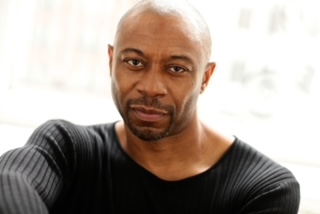
Alvin Keith has been a proud member of the Apollo Education Department for more than a decade, serving as a Lead Teaching Artist and Curriculum Specialist and bringing his extensive theatrical experience into classrooms and community spaces. As a performer, he has appeared in memorable roles on Broadway, Off-Broadway, at the Apollo, and across many of the nation’s leading regional theaters.
Keith appeared in Sweat at the Huntington Theatre in Boston and Off-Broadway in Novenas for a Lost Hospital. At the Apollo, he performed in March On! and Unspeakable: Inspired by the Life of Richard Pryor. He was featured in the world premiere of Ellen McLaughlin’s The Oresteia (directed by Michael Khan) at Washington, DC’s Shakespeare Theatre Company, and he is an alumnus of The Public Theater’s Shakespeare Lab under the direction of Barry Edelstein. Among his favorite stage roles are Boy Willie and Levee from August Wilson’s works, Belize from Tony Kushner’s plays, Jacques Cornet from John Guare’s work, and King Oberon from Shakespeare’s A Midsummer Night’s Dream. Keith also enjoys work in film and television. His screen credits include Blue Bloods, Fosse/Verdon, The Blacklist, Mr. Robot, Amazon’s Modern Love, and in the Netflix film Don’t Look Up.
He is a proud graduate of Morehouse College and holds an MFA in Classical Theatre and Classical Acting from the University of Alabama/Alabama Shakespeare Festival.
BERC DesignLabs Showcase
Samantha Chung, Ed.D.
Assistant Professor, Leadership Studies, CUNY Lehman College
Deirdre Lynn Hollman, MPhil
Doctoral Candidate, Social Studies Education, Teachers College, Columbia University
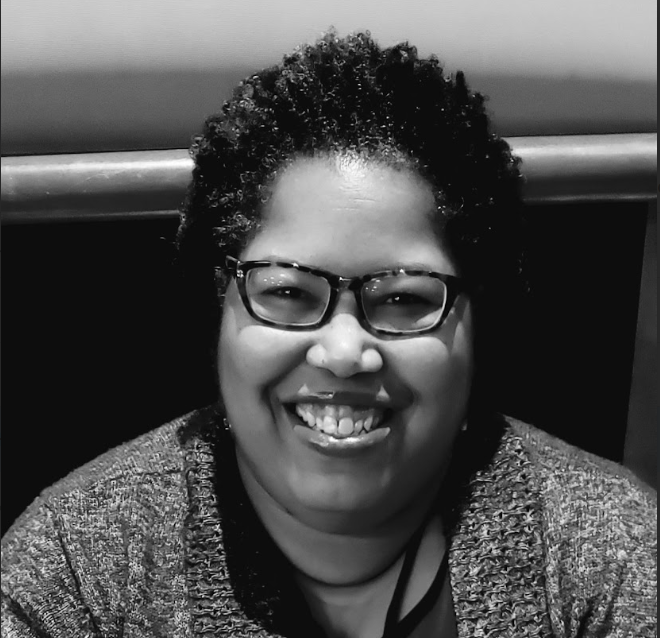
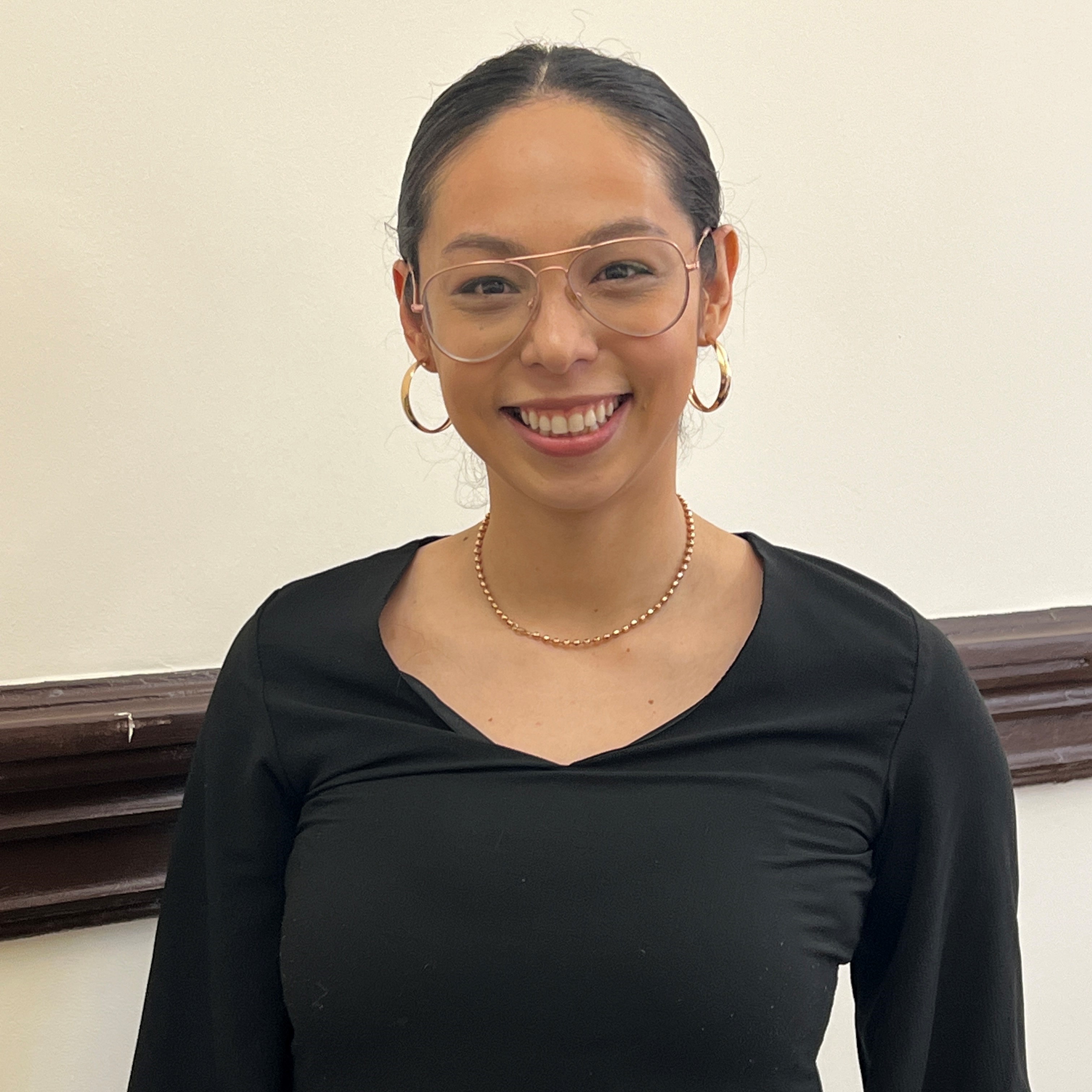
Deirdre Lynn Hollman, MPhil, is a doctoral candidate in the Social Studies Education Program at Teachers College, Columbia University. Her educational research, practice, and curriculum development integrates the cultural memory and speculative futures work of Black studies, community education praxes, public histories, aesthetic education and pop culture, and teaching with museums, archives, and historic sites. Newly appointed as the education specialist at NYSED leading the implementation of the NYS African American History Commission’s Educational Initiatives alongside Chancellor Lester Young and Deputy Commissioner Angelique Johnson-Dingle, Deirdre was a senior curriculum at TC’s Black Education Research Center where she the development, design, and implementation of the Black Studies as the Study of the World: A PK-12 Black Studies Curriculum for New York City Public Schools. Her scholarship is published in the Journal of Curriculum and Pedagogy; and she is co-editor of the book Pop Culture and Curriculum Assemble: Exploring the Limits of Curricular Humanism Through Pop Culture. She has an EdM from Teachers College, MSEd from Bank Street College, and a BA from Princeton University. Prior to her doctoral studies, she served as Director of Education and Exhibitions at the Schomburg Center for Research in Black Culture.
IG: @deirdre.hollman
Dane Peters
Doctoral Student, Social Studies Education, Teachers College, Columbia University
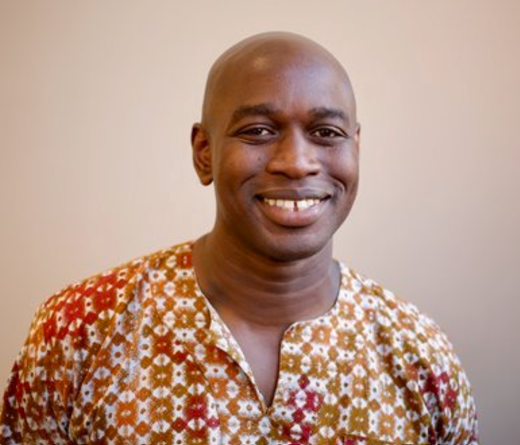
Unlocking History: Teaching with the Schomburg Center's Archives

Discover how to bring world-class historical archives directly into your classroom with the Schomburg Center for Research in Black Culture. Located in Harlem as a renowned research branch of the New York Public Library, the Schomburg Center is one of the world’s leading institutions devoted to preserving the history, culture, and experiences of people of African descent.
In this session, educators will be introduced to the Schomburg Curriculum, a dynamic educational initiative designed to help teachers integrate culturally relevant, primary-source-based lessons into their classrooms. Participants will learn how to navigate the Center's rich, digitized collections—which feature over 11 million items—to foster deeper student engagement, critical thinking, and historical empathy.
Shirley Brown-Alleyne
Associate Director of Education, Schomburg Center for Research in Black Culture

Shirley Brown-Alleyne is the Associate Director of Education for the NYPL’s Schomburg Center for Research in Black Culture. A passionate historian and educator, she has a proven track record of developing transformative, history-based learning experiences. Previously, Shirley served as the Director of School and Teacher Programs at the Tenement Museum and Manager of Education at the Center for Brooklyn History, where she led the game-changing Brooklyn Connections program. Her leadership at the Brooklyn Historical Society resulted in multiple nationally recognized initiatives, including the 2019 AASLH Leadership in History award-winning Young Scholars program and the 2017 NAHYP award-winning Teen Innovators program. A former adjunct professor at Bank Street College, she holds an MSED in Educational Leadership in Museums from Bank Street, a BS in Secondary Education from Niagara University, and is currently working on her Doctorate of Education at Lehman College.
4:30 PM | Chancellor’s Remarks
New York City Public School Chancellor Kamar H. Samuels will deliver remarks on the importance of Black Studies as part of a comprehensive education plan for NYCPS.
Kamar H. Samuels
Chancellor of New York City Public Schools (NYCPS)
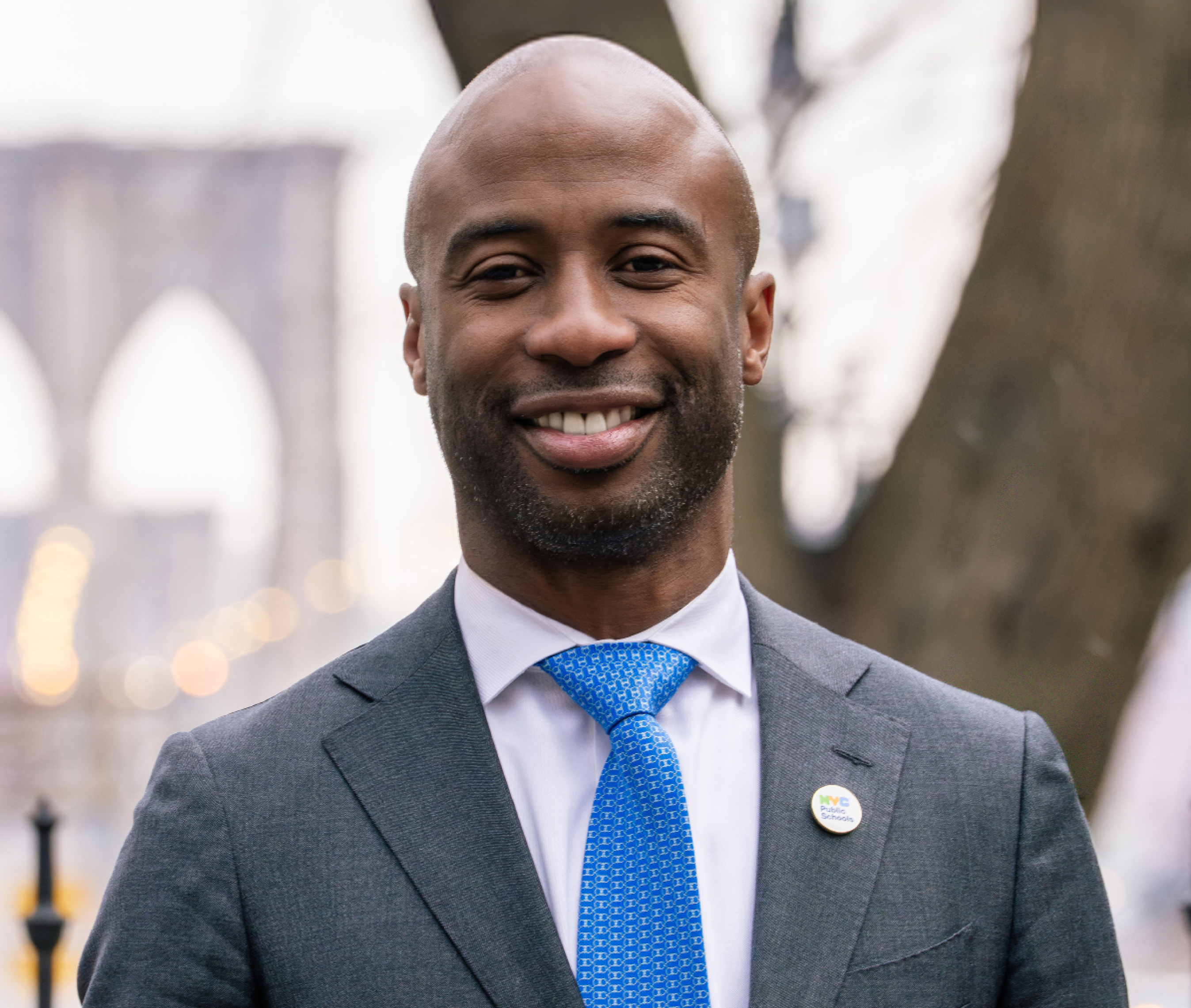
Kamar H. Samuels is the Chancellor of New York City Public Schools (NYCPS), the largest school system in the nation. A veteran educator with more than two decades of experience and an NYCPS parent himself, Chancellor Samuels has devoted his career to advancing student achievement, strengthening instructional practice, and building schools that are safe, academically rigorous, and truly integrated.
Appointed in 2026, Chancellor Samuels is focused on the core priorities that make schools successful and on engaging closely with educators, families, and students. He believes schools should reflect what makes New York City unique, embracing our rich diversity through learning experiences grounded in cultural understanding and respect. He leads with the conviction that all children deserve schools where they feel safe and valued, are challenged academically, and are prepared to thrive in college, careers, and life.
Chancellor Samuels was born in Jamaica, where he attended Jamaica College in St. Andrew before continuing his education in New York City at Baruch College. He began his career in NYCPS through the NYC Teaching Fellows program as an elementary school teacher in the Bronx, serving at PS 41 and PS/MS 194. His early classroom experiences shaped his belief that high expectations, meaningful support, and family partnership are essential to student success.
Chancellor Samuels went on to serve as principal of the Bronx Writing Academy (MS 323), followed by senior leadership roles in NYCPS central offices, including Executive Director of District School Design and Senior Director of Partnerships and Initiatives. In these positions, he provided strategic guidance on school design and supported equitable access to high-quality academic programs.
He later served as a deputy superintendent in Brooklyn and as a superintendent in both Brooklyn and Manhattan (Districts 13 and 3, respectively). Chancellor Samuels led his district's implementation of NYC Reads—NYCPS' signature initiative to reimagine literacy instruction—contributing to a five percent increase in literacy outcomes. He also led school integration efforts through admissions policies, mergers, rezoning, and culturally responsive educational practices, securing more than $10 million across Districts 13 and 3 to advance school integration initiatives. In addition, he oversaw the launch and implementation of 17 programs toward International Baccalaureate authorization.
Before entering education, Chancellor Samuels worked in finance, including as a Finance Manager at the National Basketball Association. He holds a Bachelor of Business Administration and a Master of Science in Educational Leadership from Baruch College, a Master of Science in Childhood Education from Lehman College, and New York State certifications as a School Building Leader and School District Leader.
4:45 PM | Closing & Reception
The conference draws to a close with remarks by Dr. Sonya Douglass, followed by a reception with complimentary refreshments.
Registration
Registration takes place on TC Academy, Teachers College’s professional development platform. While the standard cost of attendance is $150 per person, special pricing is available for NYCPS personnel. To sign up, simply follow the prompts to select your specific registration option.
You can also request information on accessibility before proceeding to accept the terms and conditions for the conference and making your payment. If you are interested in purchasing multiple seats (bulk registration) via a purchase order, please contact us at berc@tc.columbia.edu for assistance.
Logistics
Plan your visit by reviewing our directions and campus map. Guest housing is also available through the Office of Residential Services.
Past Conferences
2024
Black Studies as the Study of the World: Teaching Black Studies in NYC
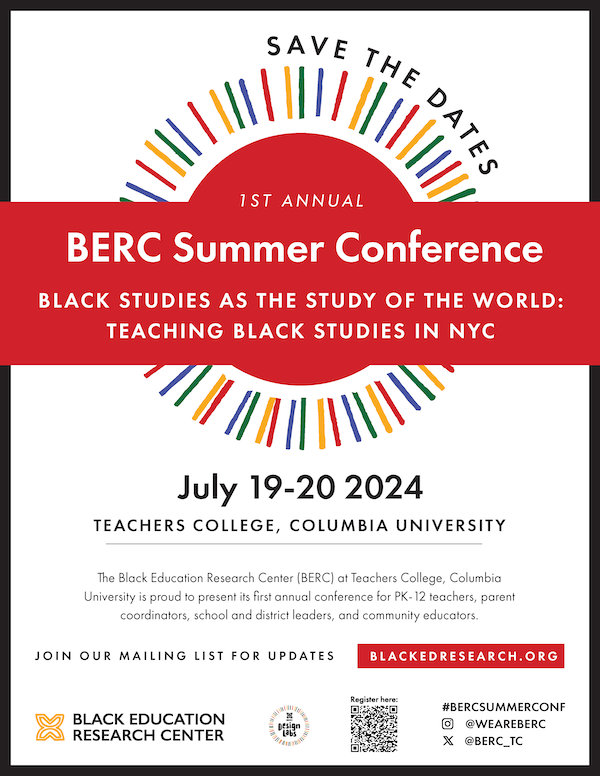
The Black Education Research Center (BERC) hosted its first annual Summer Conference on July 19–20, 2024, at Teachers College, Columbia University. Centered on the theme “Black Studies as the Study of the World: Teaching Black Studies in New York City,” this two-day convening introduced the groundbreaking PK–12 curriculum for New York City Public Schools (NYCPS) and provided educators with practical tools for implementation across grade levels.
2025
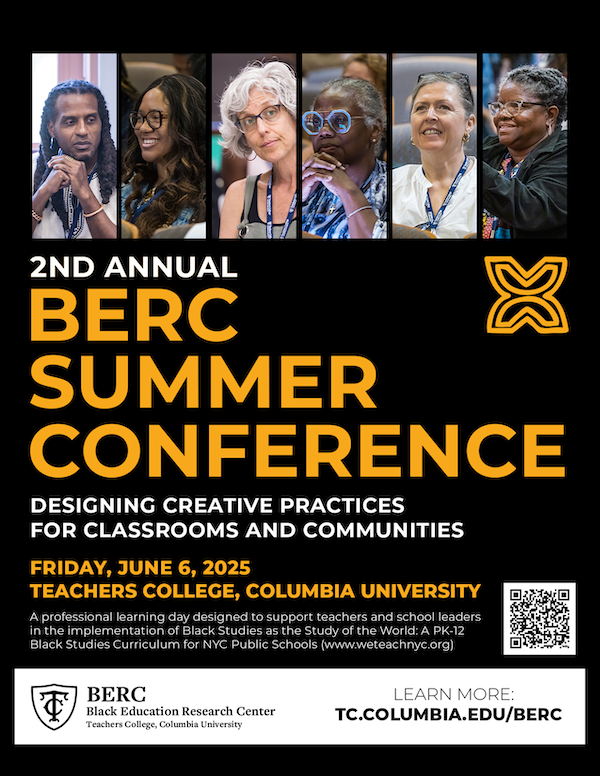
Black Studies as the Study of the World: Designing Creative Practices for Classrooms and Communities
The Black Education Research Center (BERC) hosted its second annual Summer Conference on June 6, 2025, at Teachers College, Columbia University. Centered on the theme “Black Studies as the Study of the World: Designing Creative Practices for Classrooms & Communities,” this one-day convening provided educators and school leaders with practical and innovative approaches to implementing the PK–12 curriculum, Black Studies as the Study of the World.
Testimonials
As Director of the Harlem International Museum of Black History and Culture, this conference offered a meaningful opportunity to engage with educators who are leading the way in teaching Black history and culture to K–12 students. The scholarship presented throughout the conference equips teachers, educators, and community activists with the knowledge and tools necessary to make a lasting impact. These initiatives help provide young people with the historical and cultural grounding needed to build self-esteem, affirm their identity, and ignite a sense of agency that reaches well beyond the classroom.
Donald Clayton, Co-Founder & Executive Director, Harlem International Museum of Black History and Culture
The BERC Summer Conference enlightened and inspired me. To be in various rooms with so many like-minded individuals excited for the opportunity to dialogue about our history was enriching! I enjoyed the keynote speakers and the workshops. The passion was palpable.
DeLisa Williams, Teacher, P. S. 36
It was a day filled with pedagogy, resources and the inspiration to apply it all!
Anonymous, Curriculum Specialist
I loved every workshop! The presenters helped me to develop a mindset and method for starting some new initiatives at my school and on a district level using the Black Studies curriculum.
Anonymous, Teacher (Grades 6-8)
It was an amazing experience learning alongside incredible scholars whose work has been pivotal to my work and research. Also, seeing the Black Studies curriculum in action was powerful as we begin implementation as a district!
Anonymous, District Administrator
The BERC Summer Conference is an inspirational experience for educators. The conference provides educators with the context, connections, history, and information to help us understand how to discuss the African American experience in the United States and the world with accuracy and responsibility. It helps us to weave the vast Black experience into a cohesive curriculum that can be utilized by educators.
Anonymous, Teacher (PK-5)