Navigate Complexity and Drive Strategic Impact with
an Online Ed.D. in Executive Leadership
Are you a visionary leader who wants to transform your leadership and your organization for the better? The online Doctorate of Education (Ed.D.) in Executive Leadership at Teachers College prepares you to build dynamic cultures, inspire motivated performance, and drive meaningful change, all while navigating organizational complexity. If you’re a senior-level professional seeking advanced leadership skills, our flexible doctorate allows you to earn your degree without interrupting your career.
Why Earn Your Doctoral Degree in Executive Leadership at TC?
At Teachers College, you’ll join a distinguished, cross-disciplinary program designed for experienced leaders across a wide range of organizations, fields, and industries. Designed in collaboration with programs in the Department of Organization and Leadership, our Ed.D in Executive Leadership equips you to make informed, ethical, and effective contributions to the people you lead and the organizations and communities you serve. You’ll also apply what you learn in real-world settings, either in your current workplace or in an organization aligned with your area of inquiry.

Program Value
By studying in our program, you’ll gain access to:
- A flexible, cross-industry, market-relevant, and distinguishing executive doctoral program that engages working leaders.
- A dynamic cohort of professionals who will connect and grow their local and global networks while activating sustainable, equitable, and scalable change in their organizations.
- Faculty who model and facilitate professional doctoral learning that threads equity and inclusion, social emotional awareness and well-being, humanities, systems (of power, influence, and organizational structure), scenario, futures, and design thinking, and learning sciences into transformative leadership learning.
- Coursework grounded in nine immersive learning modules in research that engages actual challenges and opportunities encountered at work.

Program Outcomes
Upon successful completion, you will be prepared to lead as scholar-practitioners who integrate rigorous inquiry, advanced leadership practice, and evidence-based decision making to address complex organizational challenges.
Graduates of the program will be able to:
- Navigate Complexity and Ambiguity: Guide organizations through complex environments using strategic foresight and systems-level agility.
- Translate Research into Action: Apply rigorous qualitative and quantitative research methods to investigate systemic organizational challenges, generate insight, and design evidence-based interventions.
- Lead with Discernment: Strengthen your organization and cultivate the culture you want by drawing on emotional, social, cultural, and GenAI intelligence —with yourself, your team, and your institution.
- Drive Strategic Transformation: Break down silos and utilize interdisciplinary frameworks to design and execute initiatives that foster scalable, equitable change.
- Produce a Highly Applied “Dissertation in Practice”: The culminating research initiative is designed to align academic learning with consequential organizational priorities.
One Program, Two Pathways
The Ed.D in Executive Leadership includes courses in education leadership, adult learning and leadership, social-organizational psychology, research and inquiry, and organizational change. Courses are designed for immediate impact. You’ll benefit from coursework that’s immediately applicable and agile enough to meet the constantly shifting ecosystem of work.
Participants will complete a seven-course core curriculum focused on Leadership Theory, Research, and Practice, in addition to their pathway-specific courses. The core curriculum includes:
Year One
- Summer: Foundations in Leadership Theory and Practice
- Fall: Contemporary Perspectives of Integrated Leadership
- Spring: Research Foundations I (i.e., quantitative, qualitative, and mixed methods applied to leadership)
Year Two
- Summer: Research Foundations II (i.e., qualitative research design and data collection)
- Fall: Research Foundations III (i.e., research to practice, data-based interventions)
- Spring: Technology and Leadership
Year Three
- Summer: Integrating Leadership Theory, Research, and Practice
- Fall & Spring: Dissertation Completion
The core curriculum builds the foundation of your leadership study. Your pathway sharpens the focus of your doctoral work. Every leader is admitted through one of two pathways, each paired with our shared core curriculum. Choose the one that deepens your professional journey:
- Global and Independent Education Leadership, for leaders cultivating human flourishing and institutional change across educational, nonprofit, and mission-driven organizations worldwide.
- Organization Transformation and Strategic Learning, for leaders driving strategic learning and systemic change across complex global organizations.
Global and Independent Education Leadership Pathway
Organization Transformation and Strategic Learning Pathway
Program Faculty
Learn from renowned scholars and experienced practitioners who will support your interdisciplinary and cross-industry study of leadership. Dynamic and forward-thinking, our faculty design learning experiences that strengthen your agility in response to change and impact-making.
Dr. Nicole Brittingham Furlonge
Klingenstein Family Chair Professor of Practice, Executive Director of the Klingenstein Center, and Co-Director of the Ed.D. in Executive Leadership
Dr. Nicole Brittingham Furlonge is an interdisciplinary scholar of listening who translates that expertise into institutional leadership. Her book Race Sounds: The Art of Listening in African American Literature (University of Iowa Press, 2018) laid the theoretical groundwork she now applies to how leaders attune to systems, cultures, organizations, and people.
Co-founder of LEARNS Collaborative and creator/host of The Listening Salon podcast, Dr. Furlonge consults with education, nonprofit, and for-profit organizations on strategic planning, systems alignment, professional learning networks, team culture, and listening practices. Her influence extends through affiliations with Columbia's Narrative Medicine program, Vagelos College of Physicians and Surgeons, and The Trust Collaboratory, as well as Harvard's Democratic Knowledge Project.
A first-generation college student, Dr. Furlonge earned her Ph.D. and B.A. from the University of Pennsylvania and her M.A. from the University of Michigan. She serves on the boards of The School at Columbia University, International School Services, Impact Reading, and The Center for Reaching and Teaching the Whole Child. A sought-after keynote speaker, she has addressed leadership audiences on five continents, bringing a scholar's rigor, a practitioner's fluency, and cross-disciplinary creativity to preparing leaders for the moment—and the future they're shaping.
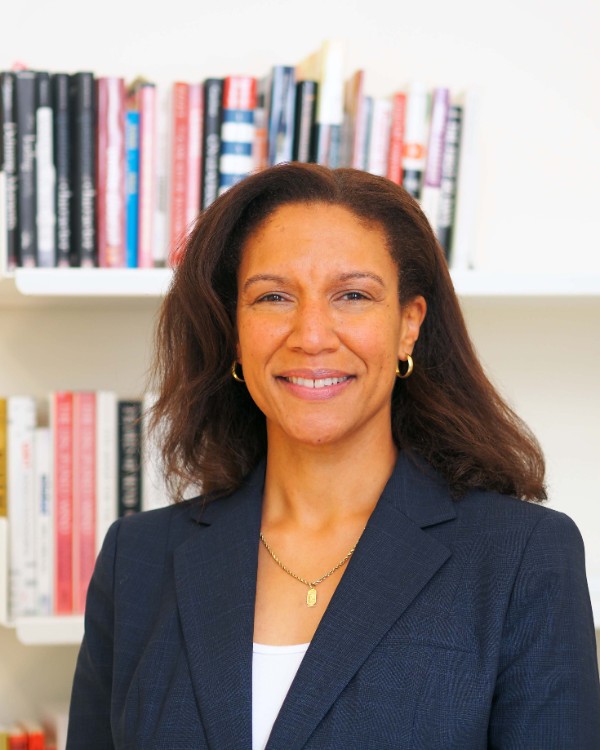
Dr. Nicole Brittingham Furlonge is an interdisciplinary scholar of listening who translates that expertise into institutional leadership. Her book Race Sounds: The Art of Listening in African American Literature (University of Iowa Press, 2018) laid the theoretical groundwork she now applies to how leaders attune to systems, cultures, organizations, and people.
Co-founder of LEARNS Collaborative and creator/host of The Listening Salon podcast, Dr. Furlonge consults with education, nonprofit, and for-profit organizations on strategic planning, systems alignment, professional learning networks, team culture, and listening practices. Her influence extends through affiliations with Columbia's Narrative Medicine program, Vagelos College of Physicians and Surgeons, and The Trust Collaboratory, as well as Harvard's Democratic Knowledge Project.
A first-generation college student, Dr. Furlonge earned her Ph.D. and B.A. from the University of Pennsylvania and her M.A. from the University of Michigan. She serves on the boards of The School at Columbia University, International School Services, Impact Reading, and The Center for Reaching and Teaching the Whole Child. A sought-after keynote speaker, she has addressed leadership audiences on five continents, bringing a scholar's rigor, a practitioner's fluency, and cross-disciplinary creativity to preparing leaders for the moment—and the future they're shaping.
Dr. Terrence E. Maltbia
Professor of Practice for Adult Learning and Leadership Programs at Teachers College, Columbia University, and the Faculty Director of the Columbia Coaching Certification Program
Dr. Maltbia blends academic rigor with extensive corporate, consulting, and executive coaching expertise, making him uniquely equipped to guide mid-career professionals in the Doctorate in Executive Leadership Program. His leadership background includes serving as Vice President of Organizational Effectiveness at Westvaco Corporation and as a Senior Consultant for Rath & Strong. Today, he delivers high-impact executive coaching and organizational consulting to leading global firms, including J.P. Morgan Chase, Panasonic North America, and Equitable.
A pioneer in the professional coaching space, Dr. Maltbia is the founder and faculty director of the Columbia Coaching Certification Program (3CP), having developed a global network of nearly 1,000 credentialed coaches across 40 countries. He is recognized globally for his contributions to leadership development and frequently delivers keynotes at major international venues, including IESE Business School and the University of Georgia. His groundbreaking diversity practitioner study earned the AHRD Dissertation of the Year Award, alongside top honors from Henley Business School’s Centre for Coaching.
Dr. Maltbia earned his B.S. in Business Administration from Ohio State University, alongside his master’s in Social and Organizational Psychology and doctorate in Adult Learning and Leadership from Teachers College, Columbia University.
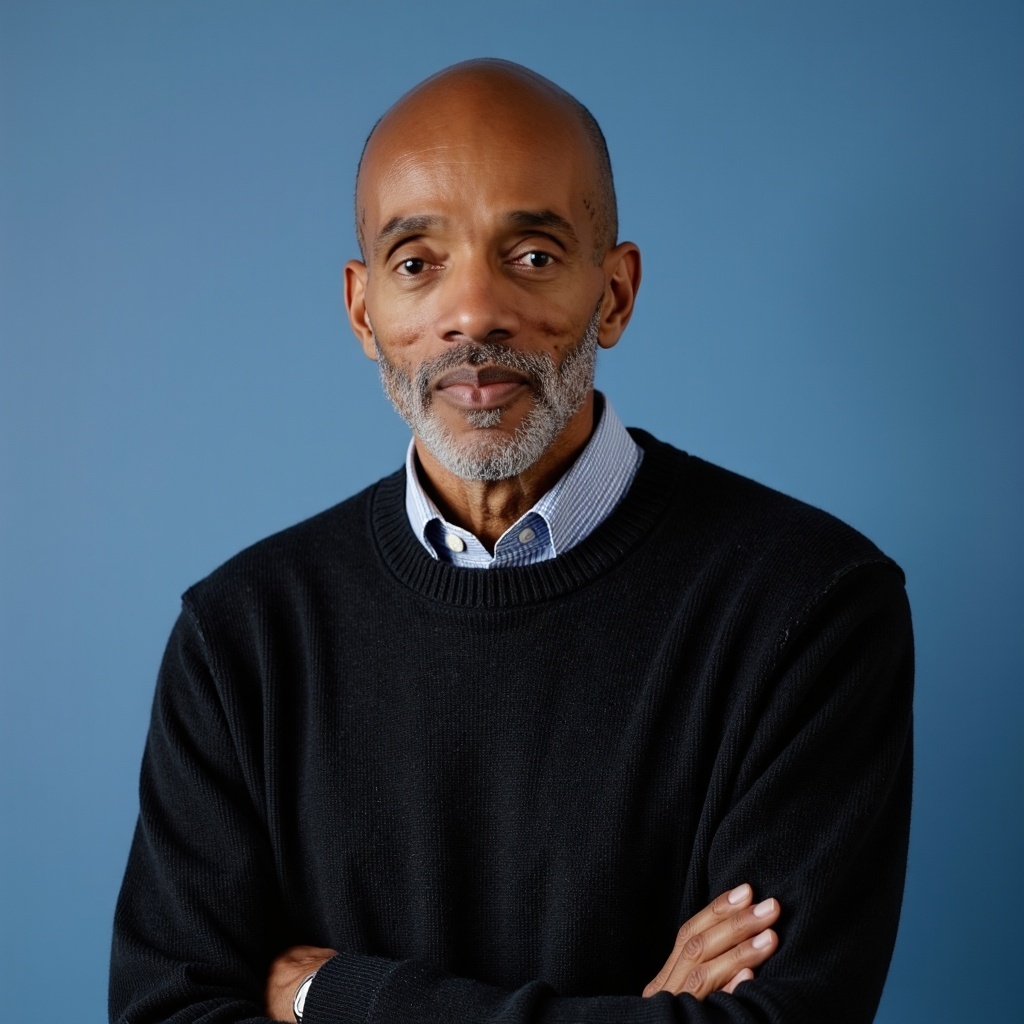
Dr. Maltbia blends academic rigor with extensive corporate, consulting, and executive coaching expertise, making him uniquely equipped to guide mid-career professionals in the Doctorate in Executive Leadership Program. His leadership background includes serving as Vice President of Organizational Effectiveness at Westvaco Corporation and as a Senior Consultant for Rath & Strong. Today, he delivers high-impact executive coaching and organizational consulting to leading global firms, including J.P. Morgan Chase, Panasonic North America, and Equitable.
A pioneer in the professional coaching space, Dr. Maltbia is the founder and faculty director of the Columbia Coaching Certification Program (3CP), having developed a global network of nearly 1,000 credentialed coaches across 40 countries. He is recognized globally for his contributions to leadership development and frequently delivers keynotes at major international venues, including IESE Business School and the University of Georgia. His groundbreaking diversity practitioner study earned the AHRD Dissertation of the Year Award, alongside top honors from Henley Business School’s Centre for Coaching.
Dr. Maltbia earned his B.S. in Business Administration from Ohio State University, alongside his master’s in Social and Organizational Psychology and doctorate in Adult Learning and Leadership from Teachers College, Columbia University.
Dr. Debra A. Noumair
Professor of Psychology and Education and Founder and Faculty Director of the Executive Master’s Program in Change Leadership (XMA) in the Department of Organization and Leadership, and Co-Director of the Ed.D. in Executive Leadership
As the primary architect of the Executive Master’s Program in Change Leadership, Professor Noumair designed an executive graduate program that prepares scholar-practitioners to lead complex, values-aligned change across individuals, groups, organizations, and systems. Her work focuses on organization transformation, change leadership, systems psychodynamics, and the design of learning environments that build leaders’ capacity to diagnose complexity, translate insight into action, and advance strategic priorities, organizational effectiveness, and sustained change.
Her executive education work extends across Columbia and global institutions. At Columbia Business School, she teaches change leadership to entrepreneurial teams from Latin America and Africa. She serves on the faculty of the Change Leadership MSc at Oxford Saïd Business School and HEC Paris, as a Research Advisor in NIODA’s Systems Psychodynamic PhD Program in Australia, and as faculty for a CEO-sponsored executive leadership program in the United States.
Through her research, she developed X-Ray Vision, a practice-informed framework and tool for multi-level diagnosis and shared sensemaking in organization transformation. She is co-author of Organization Development: A Process of Learning & Changing, 3rd Edition, and co-editor of Research in Organization Change and Development and Group Dynamics, Organizational Irrationality, and Social Complexity. She received TC’s Teaching Award in 2020 and 2022.
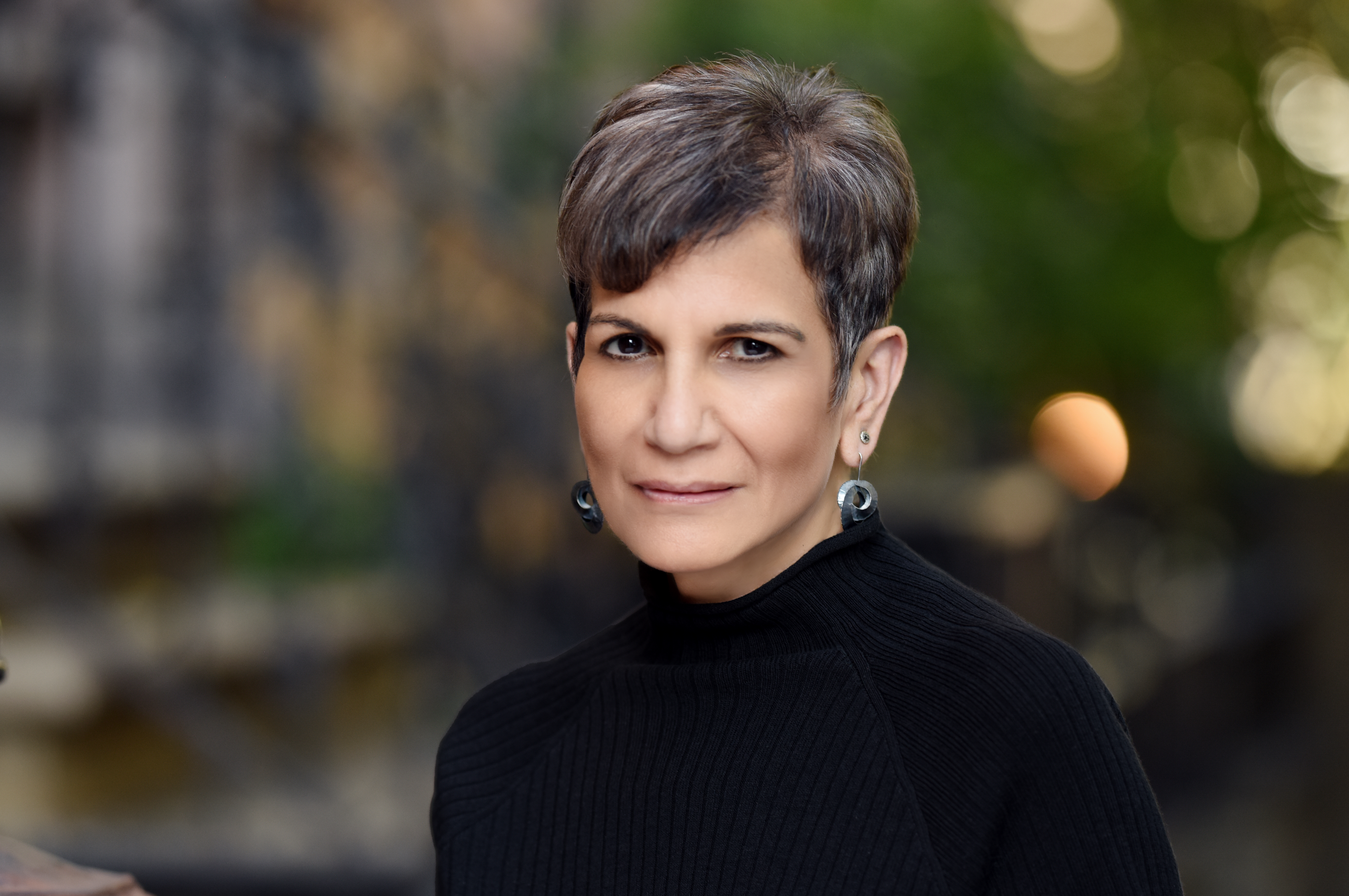
As the primary architect of the Executive Master’s Program in Change Leadership, Professor Noumair designed an executive graduate program that prepares scholar-practitioners to lead complex, values-aligned change across individuals, groups, organizations, and systems. Her work focuses on organization transformation, change leadership, systems psychodynamics, and the design of learning environments that build leaders’ capacity to diagnose complexity, translate insight into action, and advance strategic priorities, organizational effectiveness, and sustained change.
Her executive education work extends across Columbia and global institutions. At Columbia Business School, she teaches change leadership to entrepreneurial teams from Latin America and Africa. She serves on the faculty of the Change Leadership MSc at Oxford Saïd Business School and HEC Paris, as a Research Advisor in NIODA’s Systems Psychodynamic PhD Program in Australia, and as faculty for a CEO-sponsored executive leadership program in the United States.
Through her research, she developed X-Ray Vision, a practice-informed framework and tool for multi-level diagnosis and shared sensemaking in organization transformation. She is co-author of Organization Development: A Process of Learning & Changing, 3rd Edition, and co-editor of Research in Organization Change and Development and Group Dynamics, Organizational Irrationality, and Social Complexity. She received TC’s Teaching Award in 2020 and 2022.

Admission Information
Displaying requirements for the Spring 2027, Summer 2027, and Fall 2027 terms.
Doctor of Education
- Points/Credits: 75
- Entry Terms: Summer (Odd Year Only)
- Enrollment Formats: Full-Time Cohort, Full-Time Online
Application Deadlines
| Entry Term Available | Priority Deadlines | Final Deadlines | Extended Deadlines |
|---|---|---|---|
| Spring | N/A | N/A | N/A |
| Summer | January 15, 2027 | January 15, 2027 | N/A |
| Fall | N/A | N/A | N/A |
Application Requirements
| Requirement | |
|---|---|
| Online Degree Application, including Statement of Purpose and Resume | |
| Transcripts and/or Course-by-Course Evaluations for all Undergraduate/Graduate Coursework Completed | |
| Results from an accepted English Proficiency Exam (if applicable) | |
| $75 Application Fee | |
| Two (2) Letters of Recommendation | |
| Master's degree required | |
| Supplemental application required (included in online application) | |
| Interview (phone, video, or in-person) required for finalists only | |
| Work Product (a sample of written communication from work context addressing one or multiple stakeholder groups in or related to the organization), must include a Cover Letter explaining your submission | |
| Must have 10+ years of experience in a relevant organization and/or role | |
| Must hold Master's degree or thirty (30) graduate level credits (with a grade of B or better) |
For admission-related inquiries, please contact onlineadmission@tc.columbia.edu.
Additional Information
- Please note that all interviews will be offered via Zoom.
- Program accepts applications for odd year cycles only.
Program Cost & Aid
Teachers College is committed to helping you become a stronger leader through respected, accessible education. View cost of attendance, explore types of aid, or contact us to learn more.
Hear from Faculty
Doctoral Program in Executive Leadership FAQ
Yes. While some students may take longer to complete the degree, the program is designed to support you from the beginning in conducting effective, meaningful dissertation research with the aim of completing your Ed.D. within three years.
As part of your application, you’ll be asked to submit a written work product that demonstrates your ability to think critically, communicate effectively, and engage with complex ideas relevant to leadership.
Examples may include (but are not limited to):
- A strategic plan you authored or co-led
- A presentation or keynote you delivered to stakeholders
- A policy, white paper, or position statement
- A community engagement report or Equity and Inclusion initiative
- A program or curriculum design you developed
- A published article or thought leadership piece
- A redesign of a schedule, organizational process, or system
Your submission should include:
- The work product (PDF, link, or presentation file).
- A brief context statement (500–800 words) that explains:
- The goal of the project or initiative
- Your specific role and leadership in its development
- Key collaborators (if any)
- Challenges, roadblocks, or surprising opportunities that emerged and how you navigated them
- The intended or actual impact of the work
- What, in retrospect, you learned from the experience, or might approach differently now
- The purpose of this submission is not to evaluate the polish or success of the product. Rather, it is to help the admissions team understand how you think about and engage with consequential problems of practice, make judgments under conditions of complexity, and reflect on your own professional practice.
- Please remove or obscure confidential or identifying information as appropriate before submitting your work product.
Program Immersives are required for this program. International leaders are strongly recommended to attend in person, but will also have an online option available if necessary.
These residencies allow you to meet and connect with peers and faculty, get immersed in research and industry topics, and engage in practical learning experiences.
Below are the planned Immersives for the Summer 2027 Cohort:
Immersive Dates for Global and Independent Education Leadership Pathway
- Immersive 1: June 27-30, 2027
- Immersive 2: July 10-13, 2028
- Immersive 3: June 26-29, 2029
- Immersive 4: May 17-19, 2030 to be confirmed when TC Convocation & CU Commencement are set.
Immersive Dates for the Organization Transformation and Strategic Learning Pathway
- Immersive 1: June 22-25, 2027
- Immersive 2: June 13-16, 2028
- Immersive 3: June 12-15, 2029
- Immersive 4: May 17-19, 2030 to be confirmed when TC Convocation & CU Commencement are set.
True Change Begins with You
Ready to transform your leadership and your organization for the better?