Dear Students,
Although the first official day of autumn was last month, we are finally feeling the change from summer to fall in New York City. The nights are cooler and crisp days are coming soon. The gorgeousness of New York City's fall foliage is an anticipated tradition for New Yorkers and often a happy surprise for newcomers. Yes, Mother Nature reminds us of her magnificent omnipresence even in the concrete jungle. (For tips on the best places to see New York City's fall splendor, click here.) Change is in the air, literally.
Change can be invigorating, but also unnerving. I worry daily about climate change as well as what changes will come as a result of our divided world. Yet, here at home, I am delighted we have welcomed a new Provost to TC, Professor Stephanie Rowley, and I am thrilled that she is a psychologist. I am heartened to see our newest students getting more comfortable on campus and settling into their semester routines. But, I startle at an email from an alum who tells me she graduated nearly a decade ago (wasn't she just in my class?) and that the OHDCC leadership team and I are already talking about succession. I am bewildered by the fact that Facebook is out (long out) in my house and TikTok is in.
A recent opinion piece in The New York Times, penned by a millennial, mourns the closing of the dining car on long-distance Amtrak trains. She wrote that she and others of her generation have been shaped to believe that they should maximize their time, choose optimal efficiency, and strive to be nomad citizens of the world - always on the go, always in transition. She yearns for more moments of slowing down, of paying attention, and of lingering in settings like the Amtrak dining car, where strangers can meet and share stories.
In addition to the changing leaves, autumn means Major League Baseball playoffs. Both my sons' favorite teams - the New York Yankees for my younger son and the Washington Nationals for my older one - are currently in contention for the World Series. I relish my boys' invitation to sit on the couch and watch the games with them. Baseball games are long, usually more than three hours, and that means at least three hours of cheering, chatting, snacking, teasing and laughing with my children, who, in a minute, will not be children anymore.
Embracing change and standing still - I am working on doing both. I appreciate my colleagues' wisdom regarding some of our program's core competencies - leading and managing change, navigating continuous change, understanding systemic change, and embracing lifelong learning. Our program provides a guide for all of us to learn to be better change agents, to change well and for the greater good. I hope we might all also remember to slow down, to spend time with each other, to talk to one another, to chat and snack and laugh together - not to maximize or optimize anything at all except our collective joy.
My warmest,

Sarah Brazaitis, PhD
MA Program Director
P.S. Go Yankees! I mean, go Nats! I mean, go Yankees! I mean, go Nats! I mean...ack!
Current Student Profile
michelle smiling
Michelle Shafer is a full-time student in the Social-Organizational Psychology MA program. Like Adam Grant, she dreams of a world where "work doesn't have to suck." After studying psychology and art at Hamilton College, Michelle's aspirations to pursue clinical psychology were thwarted when she stumbled upon and became enamored with the field of Organizational Psychology. Eager to revolutionize how we approach work, she packed up her things, left her home and job in Boston, and moved to New York City.
After an organizational development internship at NBCUniversal, Michelle joined Valeocon Management Consulting, where she supports organizations with the people side of strategic change management. When she's not reading org psych books or rehearsing her response to "But what is organizational psychology?" Michelle can be found painting, crafting cocktails, or cheering for the Patriots (to the dismay of her new group of non-New England friends).
Michelle Shafer
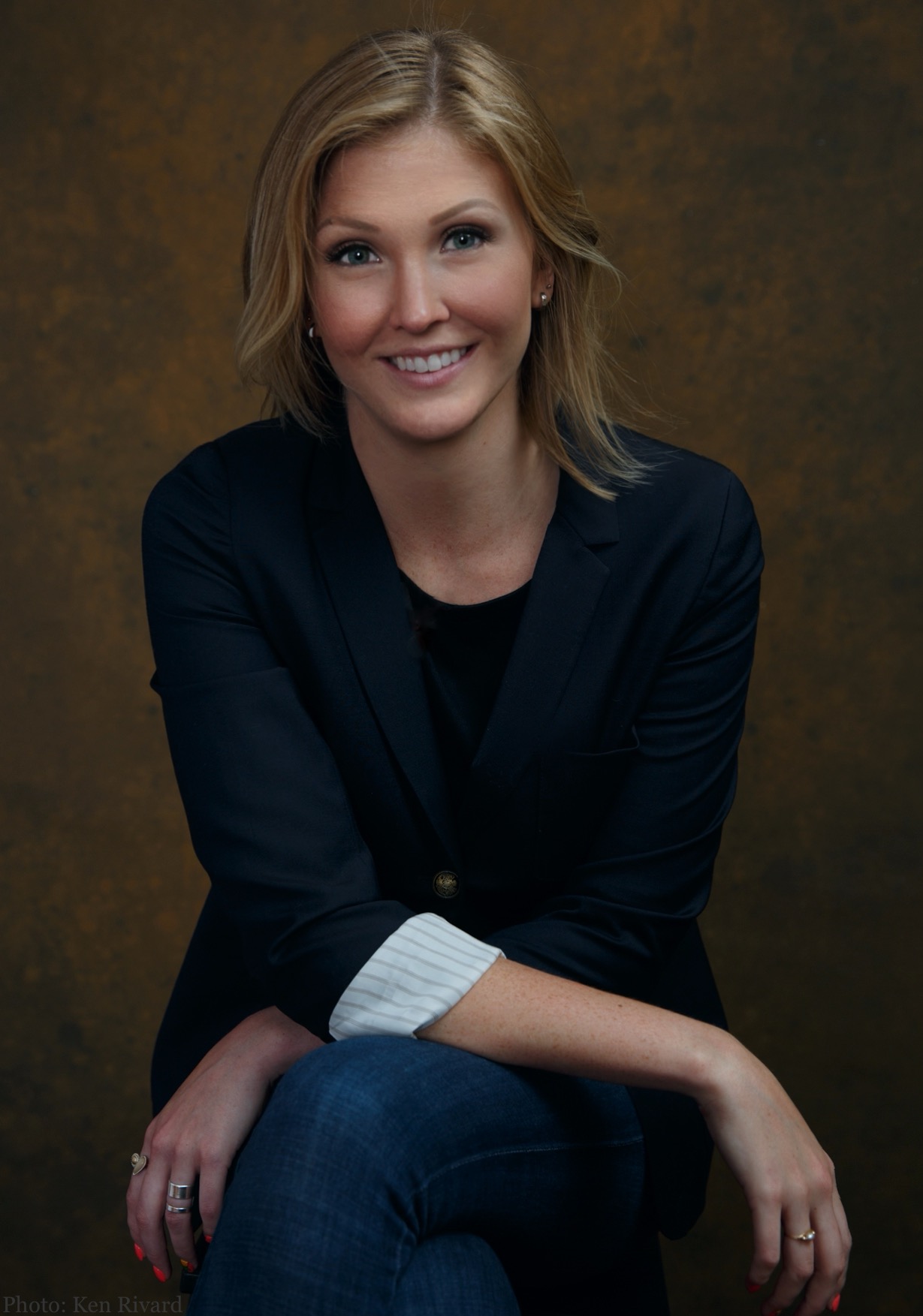
Michelle Shafer is a full-time student in the Social-Organizational Psychology MA program. Like Adam Grant, she dreams of a world where "work doesn't have to suck." After studying psychology and art at Hamilton College, Michelle's aspirations to pursue clinical psychology were thwarted when she stumbled upon and became enamored with the field of Organizational Psychology. Eager to revolutionize how we approach work, she packed up her things, left her home and job in Boston, and moved to New York City.
After an organizational development internship at NBCUniversal, Michelle joined Valeocon Management Consulting, where she supports organizations with the people side of strategic change management. When she's not reading org psych books or rehearsing her response to "But what is organizational psychology?" Michelle can be found painting, crafting cocktails, or cheering for the Patriots (to the dismay of her new group of non-New England friends).
Alumni Profile
chad smiling
Chad Plenge is a proud 2018 graduate of the Social-Organizational Psychology MA program. He was part of the Eisenhower Leader Development Program (ELDP) and is a Captain in the U.S. Army. Chad currently oversees the Center for Junior Officers, a U.S. Army leadership center. In this role, he creates and delivers leader development programs for organizations around the world. Since graduating from TC, Chad has created leadership programs for two foreign governments, multiple U.S. agencies, and the U.S. Army. Chad also teaches a leadership psychology course to college juniors and seniors at West Point. He loves being able to integrate the knowledge he gained at Teachers College with his previous military leadership experience to create powerful leadership programs.
Chad recently received the General Douglas MacArthur Leadership Award, which is awarded for demonstrated excellence in leadership. Each year the U.S. Army selects 30 leaders out of a pool of more than 100,000 for this prestigious award.
In his free time, Chad serves as the President of the board of directors as well as an Assistant Director for non-profit organizations focused on developing youth leadership. He is truly passionate about giving back and ensuring that future leaders are equipped to tackle problems we cannot even imagine today. Chad also enjoys hiking the Hudson Valley, serving as the faculty advisor for West Point's LGBTQ+ student group, and reading a great book.
If you'd like to connect with Chad, feel free to do so via LinkedIn.
Chad Plenge
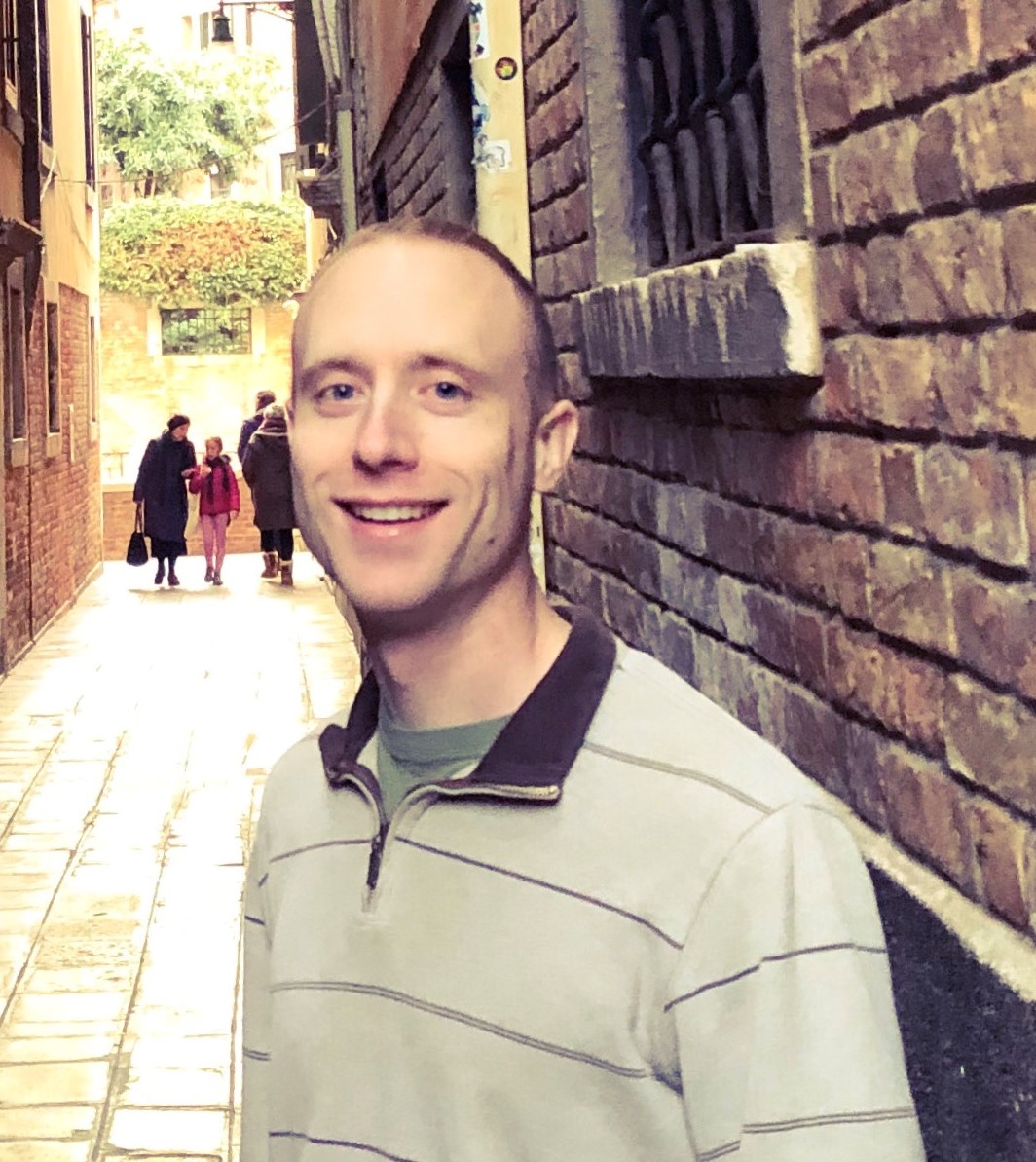
Chad Plenge is a proud 2018 graduate of the Social-Organizational Psychology MA program. He was part of the Eisenhower Leader Development Program (ELDP) and is a Captain in the U.S. Army. Chad currently oversees the Center for Junior Officers, a U.S. Army leadership center. In this role, he creates and delivers leader development programs for organizations around the world. Since graduating from TC, Chad has created leadership programs for two foreign governments, multiple U.S. agencies, and the U.S. Army. Chad also teaches a leadership psychology course to college juniors and seniors at West Point. He loves being able to integrate the knowledge he gained at Teachers College with his previous military leadership experience to create powerful leadership programs.
Chad recently received the General Douglas MacArthur Leadership Award, which is awarded for demonstrated excellence in leadership. Each year the U.S. Army selects 30 leaders out of a pool of more than 100,000 for this prestigious award.
In his free time, Chad serves as the President of the board of directors as well as an Assistant Director for non-profit organizations focused on developing youth leadership. He is truly passionate about giving back and ensuring that future leaders are equipped to tackle problems we cannot even imagine today. Chad also enjoys hiking the Hudson Valley, serving as the faculty advisor for West Point's LGBTQ+ student group, and reading a great book.
If you'd like to connect with Chad, feel free to do so via LinkedIn.
Recommended Readings
Google's temporary and contract workers now outnumber the company's workforce, according to a recent New York Times article. A McKinsey study suggested 20-30% of the United States and European working aged population is engaged in some type of independent or "gig" work.
The following article, written by management professors from INSEAD, the University of Michigan, and Yale University, examines how those working in the gig economy develop strong work identities in the absence of traditional organizational holding environments.
As with all of these recommendations, feel free to let me know what you think and/or to offer your own suggestions for possible inclusion in upcoming newsletters. I welcome your input.