
Dear Students,
Happy September and welcome or welcome back to our 2025-2026 academic year at Teachers College, Columbia University. I send these newsletters monthly from September through May to our MA program community to communicate key program information, to share interesting articles, and to spotlight student and alumni accomplishments. Feel free to let me know if there is anything you want highlighted in upcoming newsletters. Also, please note that every month we include our Pulse-Check survey which is an anonymous way to give feedback directly to me about what you like and what you need more of, less of, or done differently, in our MA Program. We welcome your feedback and work hard to act on it in every way we can. (Stay tuned for results of our ‘24-’25 MA program engagement survey which we will publish in an upcoming newsletter this fall.)
During our MA Program Orientation on September 4, I spoke about our program's many strengths and linked them to organizations’ most critical needs right now. Skilled organizational psychologists have never been more essential in every industry around the globe as we continue to stand in the middle of the change curve and try to address society’s most pressing problems. It is the perfect time to be studying social-organizational psychology. We need experts in our field now more than ever!
So, as you embark on earning your master’s degree with us, I offer this advice to you: try to bring your best self every day to our collective work. Challenge and stretch yourself again and again even when it makes you feel uncomfortable. If you are an introvert, push yourself at times to speak up more often. If you are an extrovert, remember to listen more often than you speak. Work to be open to new views, perhaps especially when you are pretty sure those views are wrong. Catch yourself making quick judgments and instead, consider that what others are trying to express might be valid. Tolerate not knowing the answer. Risk learning something new in public, even while your classmates are watching. Model that for each other. Take responsibility for your choices and look to your own role in a situation before blaming others. Assume good intentions in your peers, your colleagues, your professors, and the institution of TC. We are good people here, and we are all trying to do the right thing even when it may appear otherwise. When you are frustrated, start with compassion – for yourself and for those around you – and see if that doesn’t get you to a more productive place. Take good care of yourself and let that self-care give you the energy to take care of each other. Share yourself, have fun, let joy in, work hard, think deeply, hold on to each other. I will try to do the same. We will try to do the same.
If we make, and keep, this commitment to each other—to our community here—we can do meaningful work.
In these times of constant disruptive change I am especially heartened by all of you and the work we do together at TC, and especially the community we create and nurture together. I speak for all my staff and faculty colleagues when I tell you we are looking forward to a great semester and year with you all.
Warmly,

Current Student Profile
Lamya is a master’s student at TC in the Social-Organizational Psychology Program. She is first-generation Lebanese, raised in the midwest, and now living in Harlem. She completed her BA in Psychology and International Studies at Indiana University and then worked for two years in crisis counseling and fine arts management in Chicago. This intersection piqued her interest in team dynamics, group relations, coaching, and creative processes.
Her academic and professional focuses intersect at creativity and psychology. She is currently working as a creative project manager at Publicis Groupe on multimedia productions and global campaigns. In parallel, Lamya is building a coaching practice with a focus on working with women leaders, creatives, and small teams.
Beyond professional and academic endeavors, Lamya is passionate about organizing community events, appreciating the arts world, and doing her own photography and short films. She enjoys traveling and learning new languages, and is always open to a chat with someone new.
Beyond her professional work, Winnie is committed to promoting diversity and inclusion. She has proudly served as a leader in the Taiwanese Club at Teachers College, creating a space that nurtures a sense of belonging. She is also an active member of the Organization and Human Development Consulting Club (OHDCC) and works as a Program Coordinator for the Army Leadership Program, where she supports leadership development initiatives aimed at fostering effective leadership skills and team collaboration.
Winnie is passionate about using her expertise in organizational psychology to create healthier, more inclusive workplace cultures that drive sustainable growth. Outside of work, she enjoys traveling, reading, and podcasting. She hosts her own podcast, where she shares insights into psychology and explores cultural differences, encouraging vulnerability and helping others embrace their authentic selves.
You can connect with Winnie on LinkedIn here.
Alumni Profile
Eli is the Consulting Director at Aktum Group, a leadership, organizational effectiveness, and people analytics firm that helps organizations, leaders, and teams unlock resilience, cohesion, and clarity through data-driven insights and practical solutions that drive lasting impact.
Eli is an Organizational Psychologist with deep expertise in leadership development, learning strategy, and organizational change. He has designed and delivered innovative programs for Fortune 50 companies, including an AI learning engagement at a global pharmaceutical company that prepared leaders to navigate a rapidly evolving technological landscape.
Before joining Aktum, Eli was a Human Capital Consultant at Deloitte, where he partnered with clients across industries to reimagine learning strategies, modernize HR systems, and design workforce solutions that enhanced both business performance and employee experience. Earlier in his career, he shaped leadership and talent strategies in healthcare and the nonprofit sector, creating competency models, tailored learning journeys, and organizational change strategies that strengthened leader performance and improved team outcomes.
Eli is passionate about helping leaders and teams work more effectively together by designing strategies and experiences that build clarity, adaptability, and momentum in complex environments. He holds a Master’s degree in Social-Organizational Psychology from Teachers College, Columbia University and a Bachelor’s degree in Psychology from the University of Maryland, College Park.
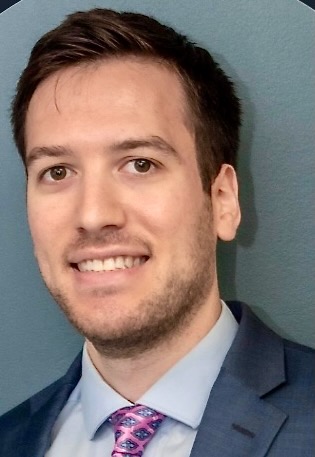
Eli is the Consulting Director at Aktum Group, a leadership, organizational effectiveness, and people analytics firm that helps organizations, leaders, and teams unlock resilience, cohesion, and clarity through data-driven insights and practical solutions that drive lasting impact.
Eli is an Organizational Psychologist with deep expertise in leadership development, learning strategy, and organizational change. He has designed and delivered innovative programs for Fortune 50 companies, including an AI learning engagement at a global pharmaceutical company that prepared leaders to navigate a rapidly evolving technological landscape.
Before joining Aktum, Eli was a Human Capital Consultant at Deloitte, where he partnered with clients across industries to reimagine learning strategies, modernize HR systems, and design workforce solutions that enhanced both business performance and employee experience. Earlier in his career, he shaped leadership and talent strategies in healthcare and the nonprofit sector, creating competency models, tailored learning journeys, and organizational change strategies that strengthened leader performance and improved team outcomes.
Eli is passionate about helping leaders and teams work more effectively together by designing strategies and experiences that build clarity, adaptability, and momentum in complex environments. He holds a Master’s degree in Social-Organizational Psychology from Teachers College, Columbia University and a Bachelor’s degree in Psychology from the University of Maryland, College Park.
Recommended Readings/Listenings
This episode of The Daily during which Brené Brown discusses leadership, DEI, sexism, continuous change, AI, and evidenced-based practice.
This Wall Street Journal article about the latest workplace trend — job hugging — and its implications for employees, organizations, and the economy.