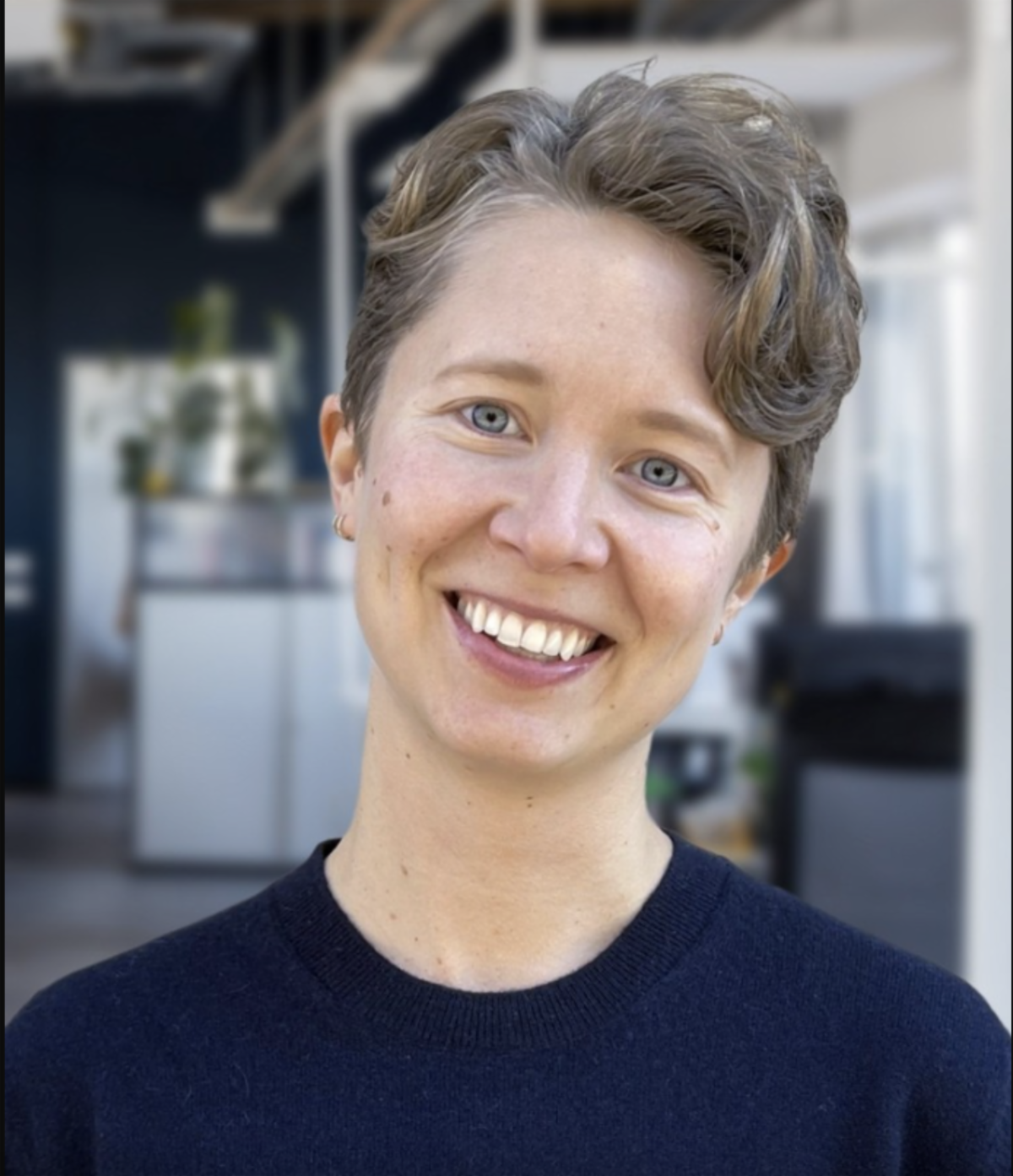
Dear Students,
Happy September and welcome, or welcome back, to our 2026-2027 academic year at Teachers College, Columbia University. I send these newsletters monthly from September through May to our MA program community to communicate key program information, to share interesting articles, and to spotlight student and alumni accomplishments. Feel free to let me know if there is anything you want highlighted in upcoming newsletters. Also, please note that every month we include our Pulse-Check survey, which is an anonymous way to give feedback directly to me about what you like and what you need more of, less of, or done differently in our MA Program. We welcome your feedback and work hard to act on it in every way we can. (Stay tuned for results of our ‘25-’26 MA program engagement survey, which we will publish in an upcoming newsletter this fall.)
During our MA Program Orientation on September 3, I spoke about our program's many strengths and linked them to organizations’ most critical needs right now. Skilled organizational psychologists have never been more essential in every industry around the globe as we continue to stand in the middle of the change curve and try to address society’s most pressing problems. Now is the perfect time to study social-organizational psychology. We need experts in our field now more than ever!
So, as you embark on earning your master’s degree with us, I offer this advice: try to bring your best self to our collective work every day. Challenge and stretch yourself again and again, even when it makes you feel uncomfortable. If you are an introvert, push yourself at times to speak up more often. If you are an extrovert, remember to listen more often than you speak. Work to be open to new views, perhaps especially when you are pretty sure those views are wrong. Catch yourself making quick judgments and instead, consider that what others are trying to express might be valid. Tolerate not knowing the answer. Risk learning something new in public, even while your classmates are watching. Model that for each other. Take responsibility for your choices and look to your own role in a situation before blaming others. Assume good intentions in your peers, your colleagues, your professors, and the institution of TC. We are good people here, and we are all trying to do the right thing even when it may appear otherwise. When you are frustrated, start with compassion for yourself and those around you, and see if that gets you to a more productive place. Take good care of yourself and let that self-care give you the energy to take care of each other. Share yourself, have fun, let joy in, work hard, think deeply, hold on to each other. I will try to do the same. We will try to do the same.
If we make and keep this commitment to each other, to our community here, we can do meaningful work.
In these times of constant disruptive change, I am especially heartened by all of you and the work we do together at TC, and especially the community we create and nurture together. I speak for all my staff and faculty colleagues when I tell you we are looking forward to a great semester and year with you all.
Warm regards,

Current Student Profile
Elizabeth (she/her) is a second-year, full-time M.A. student in the Social-Organizational Psychology program at Teachers College, Columbia University, where she is particularly interested in team and organizational culture and systems.
Prior to starting at Teachers College, Elizabeth earned her M.A. from the Communications, Culture, and Technology program at Georgetown University and worked for 15 years in strategic nonprofit communications — most of that time on the health care and sex education media team at Planned Parenthood Federation of America. She has a decade of experience in team leadership and project management, and a passion for using evidence-based tools to foster more inclusive, more collaborative, and more human workplaces and team spaces. She is deeply committed to diversity, equity, and inclusion. As a team manager of more than a dozen diverse staff over six years, she continually sought tools to help foster a team culture where all members felt valued and engaged. One of her favorite pieces of staff feedback called her "an amazing, caring, + fearless leader."
Elizabeth has also worked as a productivity consultant at Double Gemini, designing and improving processes and tools for better workflows and enhanced collaboration, and co-creating an in-house change management model. After graduating from Teachers College, her goal is to continue helping teams and organizations transform their workplaces into sources of joy, connection, and innovation for good. Elizabeth currently serves as the President of the Organization and Human Development Consulting Club (OHDCC) at Teachers College, where she is thrilled to work with the amazing leadership team and club membership to create events, activities, and resources that support students’ career development, strengthen community connections, and enhance the student experience at TC.
Elizabeth grew up in West Virginia and lives in the Bronx with her partner of more than 25 years. With her two sisters, she co-founded Trivium College Advising, a firm that helps high school students and their families navigate the college admissions process with confidence and excitement. Outside of school and work, she loves spending time with friends and family, eating foods of the world, a good dance party, horror movies and pop culture gossip, and road trips of any length. She’s a dog person without a dog, and will always choose pie over cake unless coconut or banana is involved.
You can connect with Elizabeth on LinkedIn.
Alumni Profile
Mana completed her M.A. in Social-Organizational Psychology at Teachers College, Columbia University, in February 2026. As a blind performing artist, organizational psychology professional, accessibility consultant, advocate, and researcher, Mana is passionate about improving independence and employment opportunities for people with disabilities.
Since 2011, Mana has established Dance Without Sight productions globally, performing and teaching around the world, creating human bonds through performing arts, and empowering individuals and communities with disabilities. She has pioneered accessibility for blind and low-vision audiences in dance theaters by creating multisensory experiences that allow audiences to experience dance beyond its visual elements. Her work has been featured by The New York Times and BBC broadcasts, and she was one of six honorees recognized by the Asian American Arts Alliance for her work with Dance Without Sight.
Mana’s work has expanded into digital and in-person accessibility development and consulting, including creating accessibility practices and policies for various organizations. Currently, she serves as a research assistant with the American Foundation for the Blind, contributing to research and developing recommendations and policies related to reasonable accommodations and AI in higher education and the workplace. Mana also continues to explore and develop her musical talents as a vocalist, performing classical repertoire and musical theater in various venues and performance settings. She currently coordinates and performs in the Midtown Atrium Performance Series, bringing together musicians and presenting classical music, musical theater, and other musical performances in Midtown Manhattan. For additional information about the performance series, please contact Mana.
She is also preparing to launch HatarakuPlace on LinkedIn, an initiative exploring a new perspective on inclusive workplaces through ancient Japanese philosophy and history. HatarakuPlace connects these perspectives with contemporary ideas of accessibility, inclusion, human connection, and meaningful participation in the workplace.
Meet Landon Hashimoto
Landon, Mana’s first guide dog since 2019 and Teachers College companion, assisted Mana in navigating to and through the Teachers College buildings and faithfully accompanied her to classes. He enjoyed learning about organizations and group dynamics, most of the time crouching down at Mana’s feet as her pillow, but once in a while standing up and looking toward the professors with his puppy curiosity.
Landon continues to serve Mana wherever she goes, from the office to her singing performances. With his tail wagging, he enjoys meeting people along the way and brings his friendly and curious personality wherever he and Mana travel. While Mana performs on stage, Landon relaxes nearby and enjoys the power of music. Together, Mana and Landon continue their journey beyond Teachers College.
Recommended Readings/Listenings
A great episode from the Directionally Correct podcast on how Cisco builds people intelligence and why trust, transparency, and employee voice are central to effective people analytics.
The book Move Up or Move On: 10 Secrets to Develop Your Career, is a practical guide to building the skills and habits that can help you grow your career and reach your professional goals.